
Plant cell cultivation has emerged as a commercially viable alternative to animal cell agriculture, promising to reshape how the world tackles soaring food demand. Announced on January 15, 2026, this breakthrough positions plant-based cell tech front and center in the race for sustainable protein sources. Unlike resource-heavy animal cell methods, plant cell cultivation offers a scalable path forward. Emerald reports highlight its readiness for market, signaling a pivot for farmers, biotech firms, and consumers facing population pressures. This shift arrives at a critical juncture for global agriculture.
Breakthrough Timing

The announcement landed on January 15, 2026, marking a precise moment when plant cell cultivation crossed into commercial territory. This date underscores the rapid evolution of biotech solutions. Industry watchers note it aligns with intensifying debates over food security. In the U.S., where agricultural innovation drives exports, this timing boosts domestic biotech confidence. The specificity of the reveal from Emerald lends immediate credibility, prompting swift reactions across supply chains.
Core Concept Explained

Plant cell cultivation involves growing plant cells in controlled environments to produce food-grade materials. It mirrors animal cell agriculture but leverages plants’ natural efficiencies. This method scales up nutrients and proteins without whole plants or livestock. The 2026 emergence confirms years of lab work paying off. For U.S. journalists covering agrotech, it represents a homegrown edge in feeding billions. Details from Emerald emphasize its direct applicability to everyday food needs.
Commercial Viability Unlocked

Reaching commercial viability means plant cell cultivation now matches economic realities of mass production. Costs drop, yields rise, and infrastructure aligns with existing facilities. This milestone ends experimental phases, opening doors for investors. Emerald’s analysis points to optimized bioreactors and media as keys. In 2026 U.S. markets, this viability accelerates adoption, rivaling traditional crops. Producers eye it for steady output regardless of weather or land limits.
Versus Animal Cell Agriculture
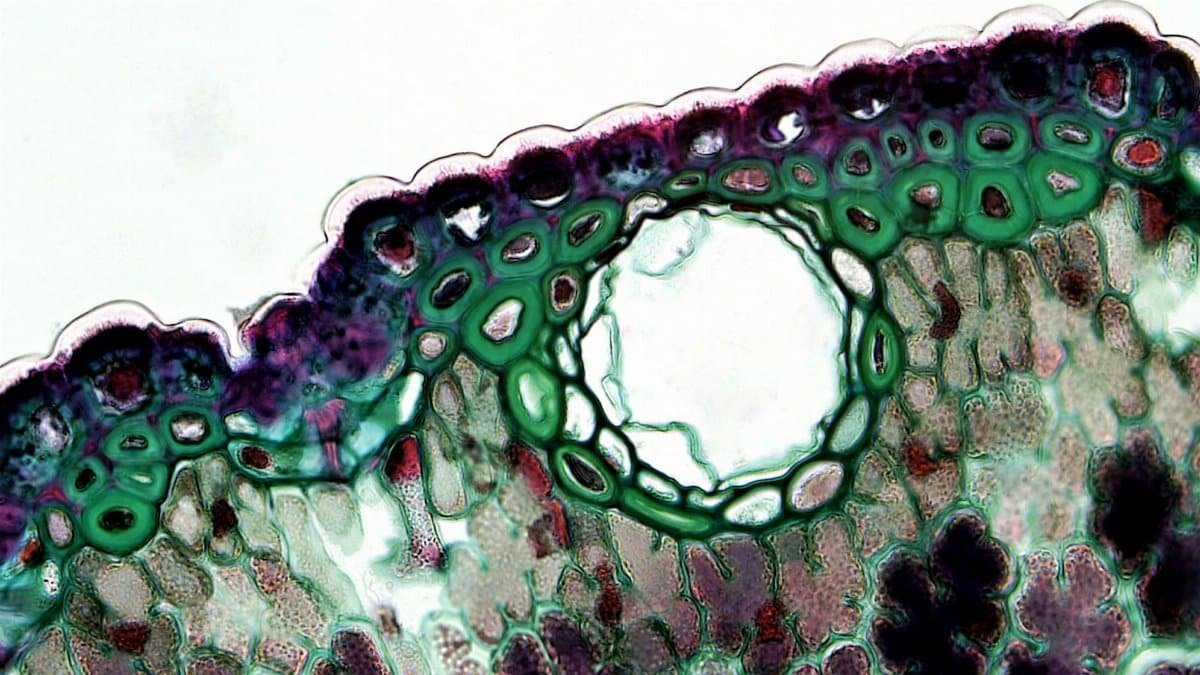
Animal cell agriculture grows meat from livestock cells, demanding complex serum and ethical scrutiny. Plant cell cultivation sidesteps these hurdles with simpler growth media and lower energy use. The alternative status shines here: faster cycles, reduced contamination risks. Emerald frames it as a direct challenger for protein markets. U.S. trends in 2026 favor this switch, as consumers demand cleaner labels. The contrast drives investment away from animal tech toward plants.
Targeting Global Food Demand

Global food demand surges with population growth, straining lands and resources. Plant cell cultivation steps in as a precise counter. It delivers high-volume outputs in compact spaces, easing pressure on arable acres. Emerald ties this directly to the viability news, projecting broader access. In the U.S., where exports feed the world, this bolsters food diplomacy. By 2026, it addresses shortages in proteins and flavors without expanding farms.
Emerald’s Credible Reporting

Source Emerald delivers the authoritative take on this development. Their January 15 coverage draws from peer-reviewed insights into cell tech economics. For verification, see detailed publications at Emerald Insight. This outlet’s focus on business and innovation ensures rigorous vetting. U.S. ag reporters rely on such sources for unbiased data. The report solidifies plant cell cultivation’s leap to practicality.
Biotech Ripple Effects

The emergence sparks biotech realignments worldwide. Firms pivot portfolios toward plant systems, partnering with cultivators. U.S. startups in 2026 gain funding edges, scaling pilots to factories. Emerald notes supply chain integrations as next steps. This viability fosters hybrids with precision ag, enhancing traceability. Food giants test integrations, eyeing shelf-stable products from cells.
Sustainable Food Leadership

Plant cell cultivation pioneers sustainable food by minimizing inputs like water and land. It cuts emissions tied to livestock, aligning with U.S. climate goals. Supporting research includes studies on plant cells for ingredients, detailed at Frontiers in Plant Science. Emerald’s 2026 report amplifies this role. Processors hail it for year-round production, fortifying global resilience against disruptions.
U.S. Market Momentum

In the U.S., plant cell cultivation gains traction amid 2026 policy pushes for alt-proteins. Federal grants flow to viable tech, spurring Midwest hubs. Emerald’s findings influence USDA strategies. Consumers, polled in recent surveys, embrace it for health and eco-benefits. This positions America as a leader, exporting know-how while meeting domestic demand spikes.
The January 15, 2026, news from Emerald cements plant cell cultivation’s place. It challenges old paradigms, offering a viable path for food abundance. As adoption spreads, watch for price drops and menu overhauls.

With a career spanning investment banking to private equity, Dominik brings a rare perspective on wealth. He explores how money can be a tool for personal freedom and positive impact, offering strategies for abundance that align with your values.
Disclaimer
The content on this post is for informational purposes only. It is not intended as a substitute for professional health or financial advice. Always seek the guidance of a qualified professional with any questions you may have regarding your health or finances. All information is provided by FulfilledHumans.com (a brand of EgoEase LLC) and is not guaranteed to be complete, accurate, or reliable.