

In cities from Seattle to Miami, couples in their 30s and 40s settle into evenings that blur into routine. Dinner appears on the table. Dishes stack in the sink. Conversation sticks to logistics. This quiet slide into what experts call the roommate phase has become a hallmark of long-term cohabitation. Partners share space, split chores, and parent with precision, yet romance fades to a distant echo. A 2023 survey by the Pew Research Center found that 41 percent of married adults report feeling emotionally distant at times, up from previous decades as dual-career households multiply. Overcoming this phase demands intention. It starts with recognizing the drift and reclaiming the spark that once defined the relationship. For many, simple shifts yield profound change.
Defining the Roommate Phase

Picture a Thursday night in a suburban duplex. Lights dim early. One scrolls news on the phone while the other folds laundry. No lingering glances. No spontaneous touch. This captures the roommate phase: a state where intimacy erodes, replaced by parallel lives under one roof. Therapists describe it as functional companionship without passion. Emotional bonds weaken as daily demands dominate. Couples function, but thrive? Rarely. The term gained traction in relationship literature over the past decade, spotlighting how cohabitation morphs from excitement to equilibrium. Subtle at first, the change compounds. Partners become efficient teammates, not lovers.
Subtle Signs You’re There

Watch for the clues. Conversations shorten to to-do lists. “Did you pay the electric bill?” replaces “How was your day, really?” Physical contact dwindles beyond a perfunctory goodnight peck. Bedrooms feel like crash pads, not sanctuaries. One partner might retreat into hobbies or work, the other into streaming marathons. Sex schedules sync with calendars, if at all. Irritation simmers over small habits, like leaving socks on the floor, masking deeper disconnection. A study from the Gottman Institute highlights how these patterns predict dissatisfaction. Couples often normalize it, mistaking stability for satisfaction.
Roots in Modern Life Pressures

Blame the grind. Dual incomes stretch thin amid rising costs. Childcare consumes evenings. Commutes sap energy. The average American couple juggles 40-plus hour workweeks, per Bureau of Labor Statistics data. Add screens, which fragment attention. Social media showcases highlight reels, breeding quiet envy. Pandemic lockdowns accelerated the slide for many, blending home and work into endless overlap. Yet history shows this isn’t new. The Harvard Grant Study, tracking lives since 1938, reveals relationships falter without nurture. Close ties, not cash, drive well-being. Todays pace just amplifies the risk. Partners arrive home depleted, defaulting to roommate mode.
Communication: The First Fracture

Talk falters first. Questions turn accusatory. “Why havent you…” sparks defense. Silence follows. Active listening vanishes amid mental checklists. One woman shared in an online forum how her husbands grunts replaced dialogue. “We coexisted, but I felt invisible,” she wrote. Experts urge repair. Schedule weekly check-ins, free of agendas. Share dreams, not just duties. Rhetorical questions help: What excited you today? The Gottman method stresses “bids for connection,” tiny overtures like a shared laugh. Ignore them, and walls rise. Respond, and bridges form. Practice turns habit into healing.
Rekindling Emotional Intimacy

Emotion fuels desire. Start small. Recall early dates over coffee. What drew you together? Laughter? Adventure? Recreate fragments. A walk without phones invites vulnerability. Vulnerability builds trust. Share fears, not just facts. One couple revived theirs through gratitude journals, noting daily appreciations. Read them aloud weekly. Research from the Harvard Study of Adult Development underscores this: Quality conversations predict lasting happiness. Avoid multitasking. Eye contact matters. Over time, emotional closeness paves the way for physical reignition.
Physical Touch Without Pressure
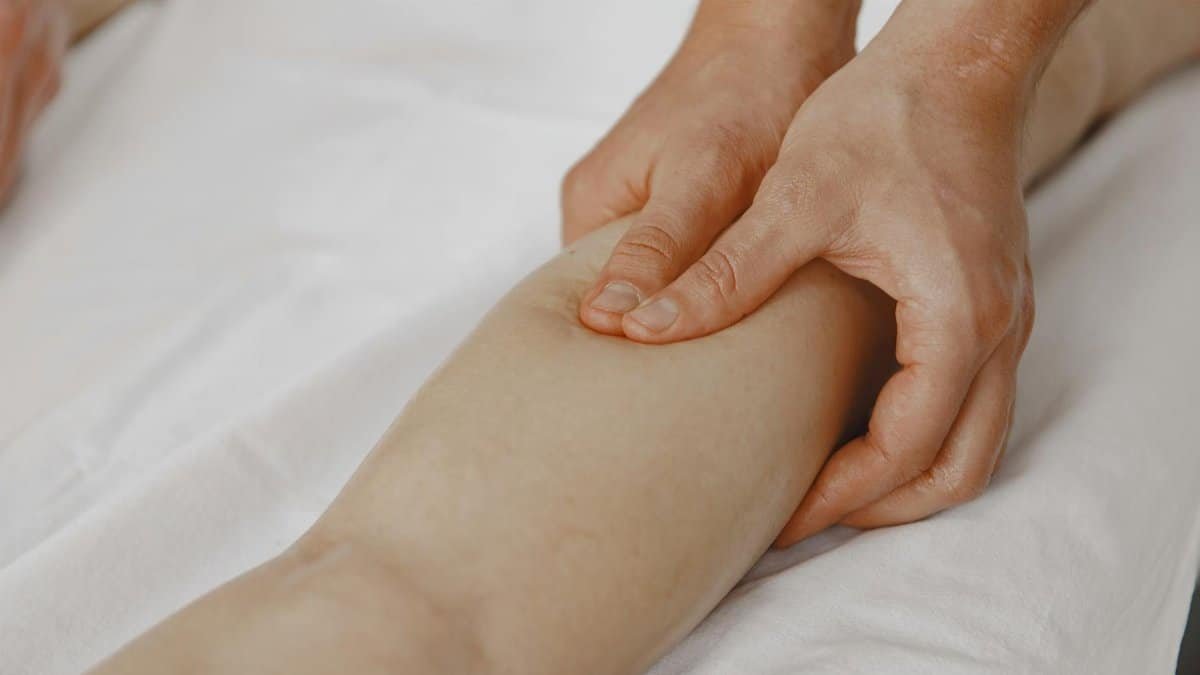
Intimacy rebuilds through skin. Cuddle sans expectation. Hold hands during TV time. Massage shoulders after long days. Pressure kills spontaneity, so frame it playful. “Ten minutes of no-talk touch,” one therapist suggests. Bodies remember. A meta-analysis in the Journal of Sex Research links non-sexual touch to oxytocin boosts, easing tension. Experiment. Slow dances in the kitchen. Back rubs turn electric. Track progress privately. Progress feels organic when forced pauses end. Desire follows safety.
Crafting Shared Rituals

Rituals anchor couples. Ditch autopilot dinners for candlelit versions, phones banished. Weekly date nights combat entropy. Theme them: picnic in the park, trivia at a bar. Travel mini-escapes refresh perspectives. One pair hiked local trails, rediscovering banter amid nature. Data from Pew Research shows shared activities correlate with higher satisfaction. Customize. Game nights for competitors. Cooking classes for foodies. Consistency cements them. Rituals signal priority, transforming time together.
Expert Strategies That Work

Therapists offer blueprints. Sue Johnson’s Emotionally Focused Therapy targets attachment wounds. Sessions unpack why roommates emerge: unmet needs. Books like “Hold Me Tight” provide exercises. John Gottmans Four Horsemen—criticism, contempt, defensiveness, stonewalling—signal danger. Antidotes? Gentle startups, repair attempts. A American Psychological Association review backs these for 70 percent success rates. Self-guided? Apps like Lasting guide prompts. Couples commit six weeks. Measurable shifts emerge: more laughter, less logistics.
Stories of Real Turnarounds

Change happens. Take Alex and Mia, mid-40s parents in Chicago. Eight years in, they parented seamlessly but slept apart emotionally. A workshop sparked talks. They banned work emails post-7 p.m. Hired a sitter for monthly escapes. Six months later, Mia noted, “We flirt again. Its us, not just the roles.” Another duo, post-kids, joined a dance class. Salsa steps mirrored life: lead, follow, sync. Online whispers echo this. One anonymous post detailed ditching Netflix for nightly whispers. “Intimacy returned like an old friend.” These tales prove effort pays.
Navigating Setbacks Gracefully

Relapses occur. Old habits creep. A fight reignites silence. Respond with curiosity, not blame. “What hurt there?” disarms. Track wins in a shared journal. Celebrate milestones: first unprompted kiss. Patience tempers urgency. If stuck, seek counsel. Premarital education prevents deeper ruts, per studies. Long-term, view overcoming the roommate phase as maintenance, not fix. Evolve together. Kids leave? Reinvent. Careers shift? Adapt. Commitment flexes.
Sustaining the Spark Long-Term

Forever demands vigilance. Annual retreats reset. Novelty combats complacency: try kayaking, cooking foreign cuisines. Health factors in—exercise boosts libido, sleep restores mood. Community helps. Couples groups normalize struggles. Reflect yearly: Whats working? Adjust. The roommate phase looms for most, yet overcoming it fortifies bonds. Strong relationships weather storms. They model love for children, inspire friends. In a transient world, this choice endures. Couples who invest report deeper joy, richer lives. The shift starts today.

Natasha is the heart of our exploration into conscious connection. Applying principles from multiple counseling courses in her own life, she guides you to cultivate stronger, more joyful bonds.
Disclaimer
The content on this post is for informational purposes only. It is not intended as a substitute for professional health or financial advice. Always seek the guidance of a qualified professional with any questions you may have regarding your health or finances. All information is provided by FulfilledHumans.com (a brand of EgoEase LLC) and is not guaranteed to be complete, accurate, or reliable.