

A recent Pew Research Center survey captured a stark reality: 52 percent of American workers express concern that artificial intelligence could eliminate their jobs within the next decade.Pew Research Center. That figure jumps among those in routine office roles, where automation feels like an encroaching shadow. This fear of becoming obsolete grips middle-aged professionals especially hard. They watch younger colleagues embrace tools like ChatGPT while wondering if their experience still holds value. Yet amid the anxiety, a quieter truth emerges. Adaptation isn’t about outrunning machines. It’s about sharpening human edges they can’t touch. In 2026, as AI reshapes offices from Silicon Valley to small-town accounting firms, overcoming this fear demands clear-eyed strategies. Workers who pivot now build careers that endure.
Tracing the Fear’s Deep Roots

Factory whistles once signaled the end of shifts. Now algorithms hum through screens, whispering doubts. Consider Mark, a 48-year-old logistics manager in Ohio. He stared at his monitor last year as software predicted shipping delays better than his team ever did. “Am I next?” he confided to colleagues over coffee. Such moments reveal the fear’s origin: rapid tech shifts clashing with hard-won expertise. Psychologists point to “technostress,” a term coined in the 1980s but surging today. It blends job insecurity with the mental load of constant upskilling. Data from the American Psychological Association underscores this, showing workplace stress at record highs partly due to automation worries.APA Stress Report. Yet recognizing these roots strips away some power. Fears rooted in headlines often exaggerate reality.
AI’s Limits in the Real World

Machines excel at patterns. Humans thrive on nuance. A World Economic Forum report projects AI displacing 85 million jobs by 2025 but creating 97 million new ones.World Economic Forum Future of Jobs. The catch? Those roles demand creativity, empathy, and ethical judgment—hallmarks of human work. Take healthcare. AI scans X-rays with precision, but patients crave the doctor’s reassuring nod during bad news. Or sales, where closing deals hinges on reading unspoken hesitations. In boardrooms, executives value the colleague who challenges assumptions, not just crunches numbers. Dismantling the myth of total replacement starts here. AI augments. It rarely reinvents the soul of collaboration.
Human Skills That Endure

What can’t code copy? Emotional intelligence tops the list. A McKinsey analysis of future work highlights “soft skills” like adaptability and persuasion as irreplaceable.McKinsey Future of Work. Picture a marketing director in Chicago. Her campaigns succeed not from data alone, but from intuiting cultural moods AI overlooks. Complex problem-solving follows close. Engineers at Boeing blend physics with on-the-fly improvisation during prototypes. Leadership seals it. Teams rally around visionaries who inspire amid uncertainty. These strengths compound over decades. A mid-career professional’s edge lies in their tapestry of experiences—failures included—that machines lack.
Cultivating a Learning Mindset
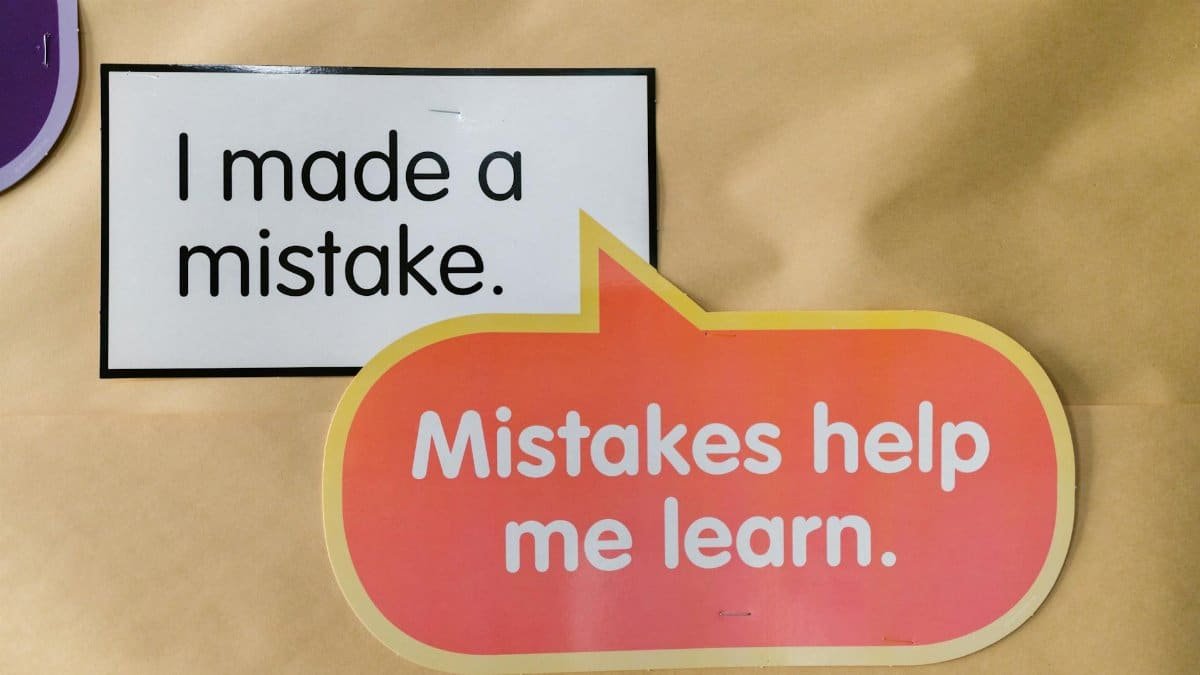
Reskilling sounds daunting. Start small. Dedicate 30 minutes daily to platforms like Coursera or LinkedIn Learning. Focus on hybrid skills: coding plus communication, data plus storytelling. Sarah, a former HR specialist in Texas, feared redundancy as chatbots handled resumes. She enrolled in an AI ethics course. Six months later, her firm tapped her to lead policy on tool integration. Public forums buzz with similar tales. One account described a veteran teacher pivoting to ed-tech consulting after online prompts: “It felt like reclaiming control.” Momentum builds from consistency. Track progress in a journal. Celebrate micro-wins, like mastering a new prompt. This habit transforms fear into fuel.
Leveraging Networks for Insight

Isolation amplifies dread. Connections illuminate paths. Attend industry meetups or virtual panels on platforms like Eventbrite. Seek mentors who’ve navigated tech waves—think veterans of the PC revolution. In Atlanta, a group of finance pros formed an “AI Accountability Club.” They swap stories: one landed a compliance role auditing algorithms. Another negotiated AI-assisted workflows. Such bonds reveal opportunities hidden in plain sight. Online communities offer low-stakes entry. Engage thoughtfully. Ask: “How has AI changed your daily grind?” Responses often highlight growth areas, not threats. Networks remind us: no one obsolesces alone.
Reframing Career Narratives
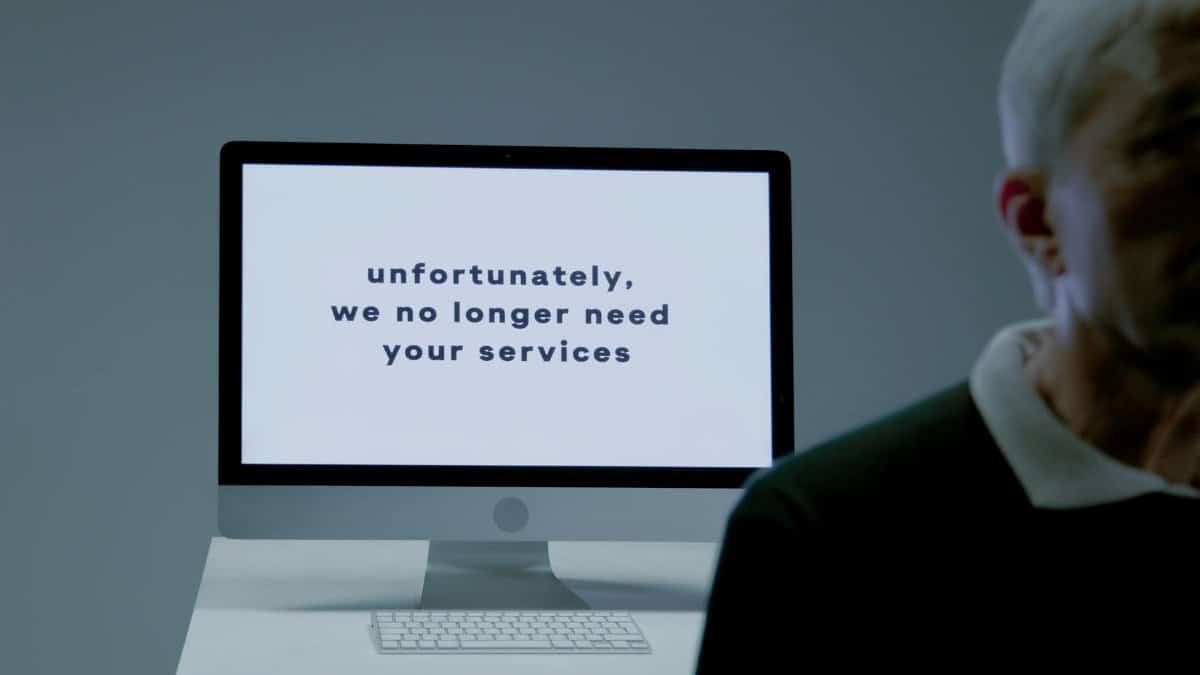
Fear thrives on fixed mindsets. Shift to abundance. View AI as a junior assistant, not a rival. Journal prompts help: “What unique value did I add last week?” Or “How can tech free me for higher work?” Cognitive behavioral techniques, backed by decades of research, rewire these thoughts. Replace “I’m replaceable” with “I’m evolving.” Executives at Google preach this. Their “20% time” policy—coding personal projects—sparks innovation. Apply it scaled down. One afternoon weekly on passion pursuits. This builds resilience. In 2026’s fluid markets, those who author their stories thrive.
Hands-On Strategies to Upskill
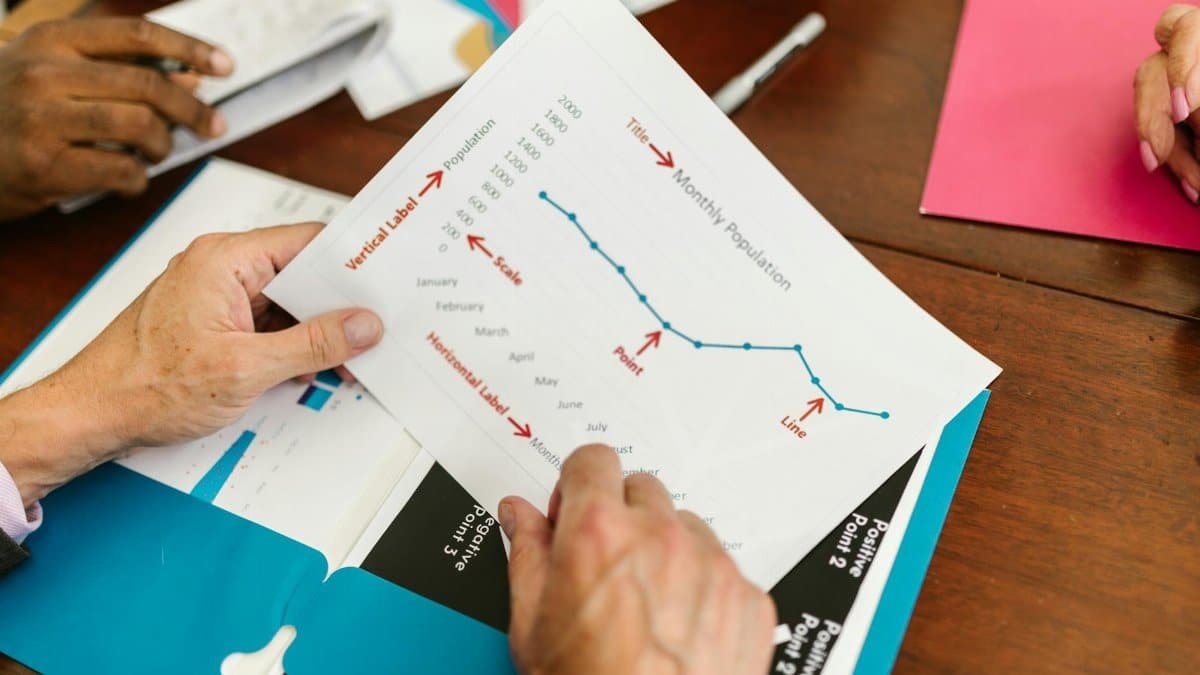
Theory fades without practice. Experiment boldly. Tinker with tools like Midjourney for visuals or GitHub Copilot for code. In manufacturing, a Detroit foreman used AI simulations to optimize lines, earning a promotion. Break it into phases: Week one, observe. Week two, imitate. Month two, innovate. Pair with feedback loops. Share prototypes with peers. Certifications add credibility—Google’s data analytics credential draws thousands monthly. Budget time like money. Block calendars ruthlessly. Accountability partners double results. Track ROI: Did that skill snag a project? Adjust accordingly. Action dissolves paralysis.
Stories of Triumph Over Obsolescence

Real lives prove the pivot possible. Tom, 52, managed warehouses until robots arrived. He reskilled in robotics maintenance via community college. Now he trains others. “Fear pushed me forward,” he says. Across sectors, patterns emerge. Journalists blend reporting with data viz tools. Lawyers use AI for discovery but argue in court. A 2024 Upwork study found freelancers with AI fluency earning 20 percent more.Upwork Freelance Forward. These narratives aren’t outliers. They model reinvention. Seek them out—in podcasts, books, conversations. Let them light your way.
Nurturing Mental Fortitude

Burnout shadows adaptation. Prioritize rest. Walks clear mental fog. Mindfulness apps like Headspace cut anxiety by 14 percent, per user studies. Sleep seven hours minimum. Fuel with whole foods. Therapy unpacks deeper blocks—many employers cover it now. Visualize success daily: See yourself thriving in hybrid roles. Gratitude lists ground perspective: “My network values me.” Community buffers blows. Join groups like Toastmasters for confidence boosts. Resilience isn’t innate. It’s forged. In AI’s glare, steady habits keep the flame alive.
Charting a Future-Proof Path
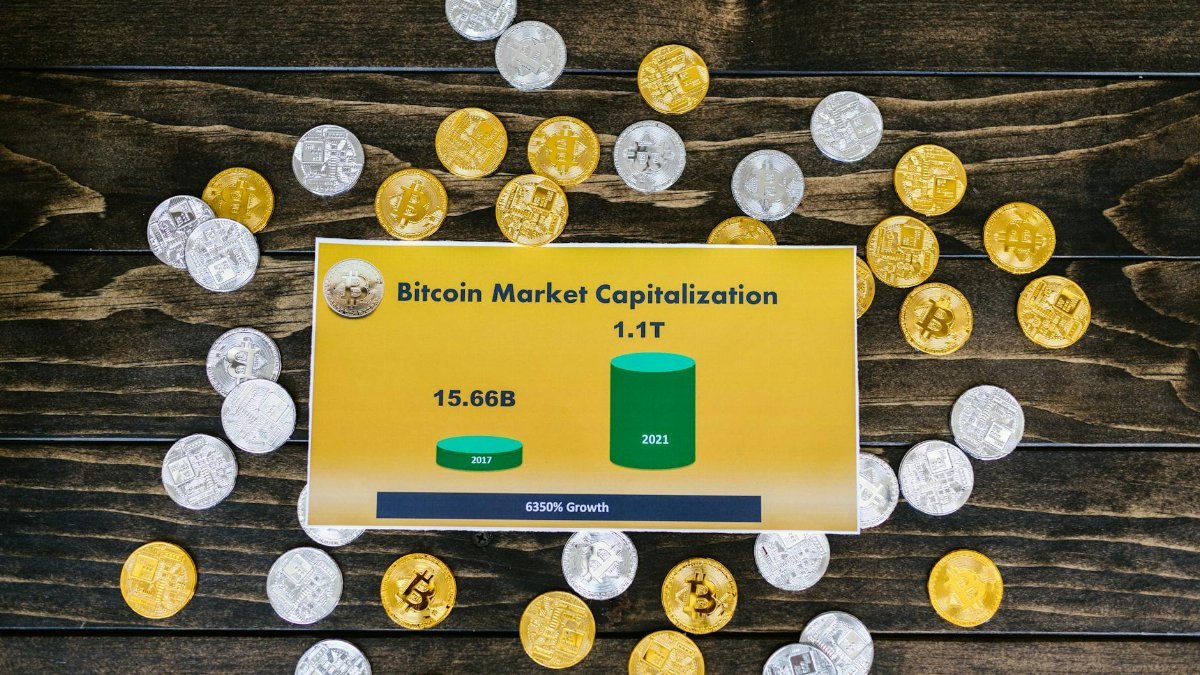
Long-term vision anchors efforts. Audit your role yearly: What automates? What elevates? Diversify income—consulting, speaking, side gigs. Build a personal brand via LinkedIn posts on AI insights. Target “augmented” positions: AI ethicist, human-AI integrator. In 2026, demand surges here. Government initiatives like the CHIPS Act fund training. Tap them. Stay curious. Read widely: “The Coming Wave” by Mustafa Suleyman dissects tech’s arc. Balance optimism with realism. AI accelerates change. Humans direct it. Embrace that power. Obsolescence fades when you steer the current.

A certified hypnotherapist, Reiki practitioner, sound healer, and MBCT trainer, Christopher guides our journey into the spiritual dimension, helping you tap into a deeper sense of peace and awareness.
Disclaimer
The content on this post is for informational purposes only. It is not intended as a substitute for professional health or financial advice. Always seek the guidance of a qualified professional with any questions you may have regarding your health or finances. All information is provided by FulfilledHumans.com (a brand of EgoEase LLC) and is not guaranteed to be complete, accurate, or reliable.