
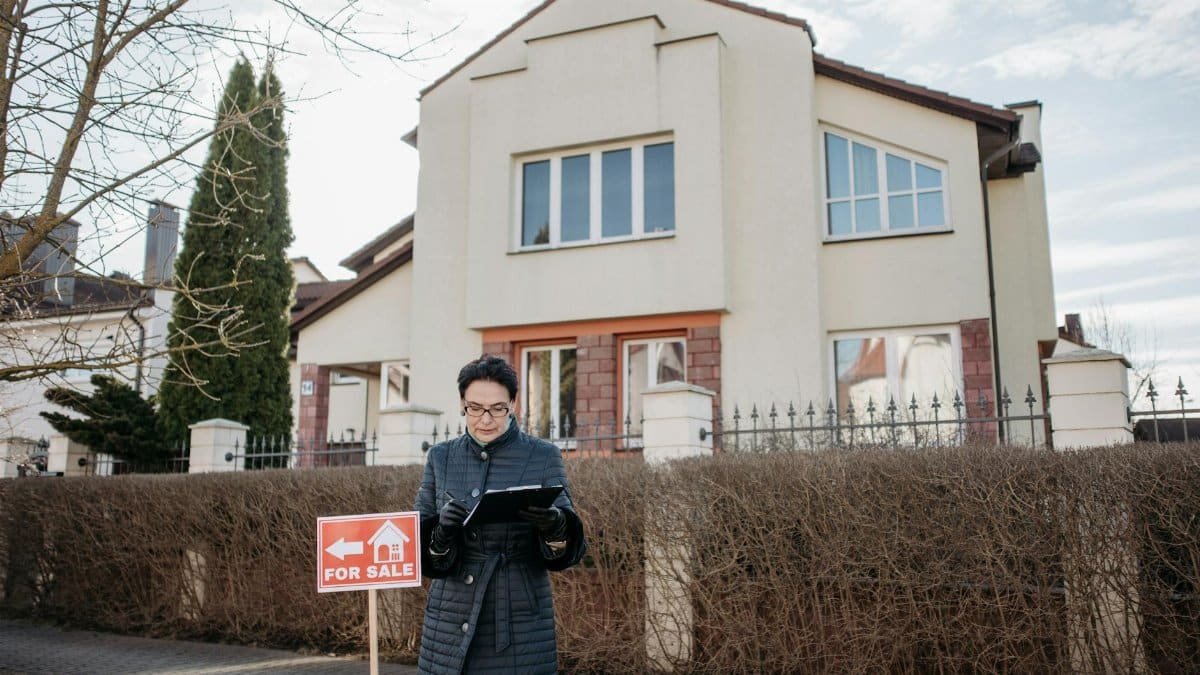
Longevity real estate marks a pivotal shift in home design, with developers now embedding preventative wellness features directly into residences. On January 27, 2026, the Global Wellness Summit pinpointed “Longevity Residences” as a defining real estate trend. This approach prioritizes health-promoting architecture to support longer, healthier lives right from the blueprint stage.
Global Wellness Summit Unveils the Trend

The Global Wellness Summit, a leading authority on wellness industry developments, made headlines on January 27, 2026, by naming “Longevity Residences” as an emerging real estate powerhouse. This declaration underscores a growing movement where home construction goes beyond shelter to actively foster well-being. The summit’s insight draws from extensive analysis of global wellness sectors, positioning longevity real estate as a response to evolving consumer demands for health-integrated living spaces. For full details, see the Global Wellness Summit official site.
Defining Longevity Residences

At its core, longevity real estate refers to “Longevity Residences”—homes engineered with preventative design elements. These residences integrate features aimed at preventing health decline rather than merely accommodating it. The Global Wellness Summit highlights this as a trend where architecture serves as a proactive tool for longevity, blending real estate innovation with wellness science. Such homes challenge traditional property norms by making health a foundational pillar.
Preventative Design Takes Center Stage
Preventative design forms the backbone of this trend. It involves embedding elements into homes that encourage daily habits supporting long-term health. The Global Wellness Summit’s identification emphasizes how these designs anticipate future needs, creating environments that naturally promote vitality. This isn’t about retrofitting; it’s about forward-thinking construction from the ground up, tailored to sustain residents through extended lifespans.
From Concept to Construction

In longevity real estate, the embedding process starts early in development. Builders incorporate preventative features seamlessly into structural plans, ensuring they enhance rather than complicate living. The Global Wellness Summit notes this as a seamless fusion, where wellness principles dictate layout, materials, and functionality. This trend signals a departure from standard homes, positioning residences as extensions of personal health strategies.
Real Estate’s Wellness Pivot
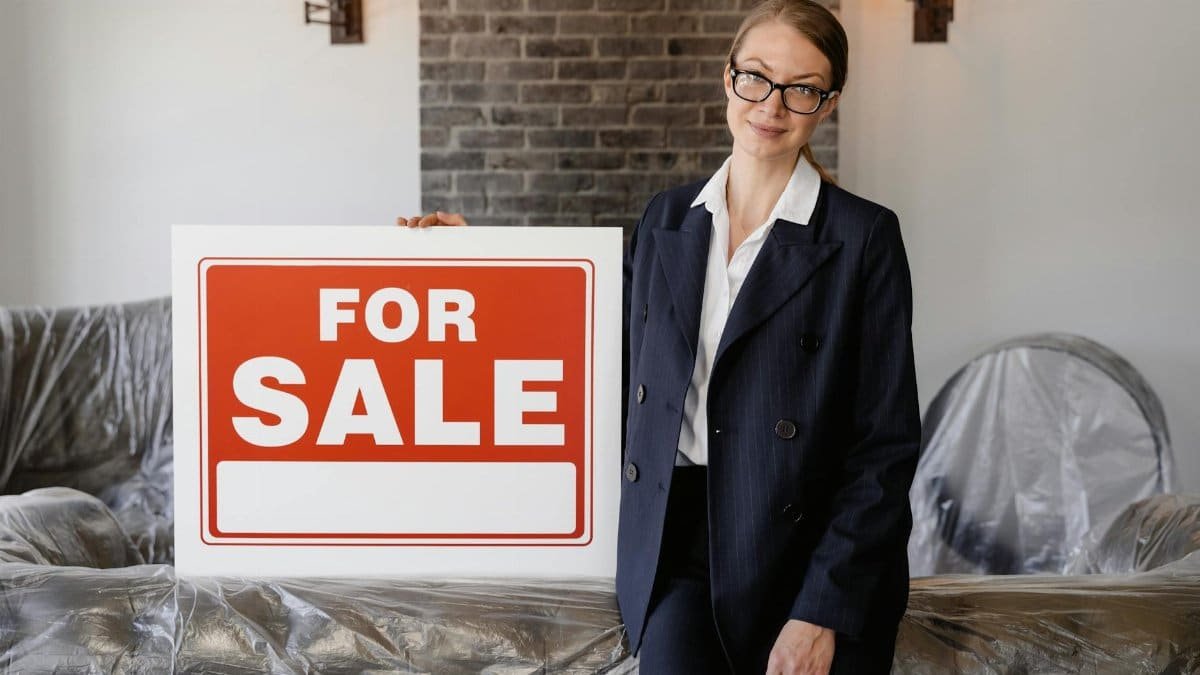
The real estate sector stands at a crossroads with longevity real estate. Traditional properties focused on aesthetics and convenience; now, longevity residences elevate health as a premium selling point. The Global Wellness Summit’s January 27, 2026, announcement frames this as a market driver, attracting buyers who view homes as investments in extended well-being. Developers responding to this trend are redefining property value around lifespan enhancement.
Source Credibility: Global Wellness Summit

Reliability anchors the trend’s momentum. The Global Wellness Summit, known for its rigorous wellness forecasting, sources its insights from industry leaders worldwide. Their 2026 identification of longevity residences carries weight due to the organization’s track record in pinpointing shifts like this. For deeper context on their research methodologies, visit the Global Wellness Institute Industry Research page, which aligns closely with GWS findings.
Implications for Homebuyers
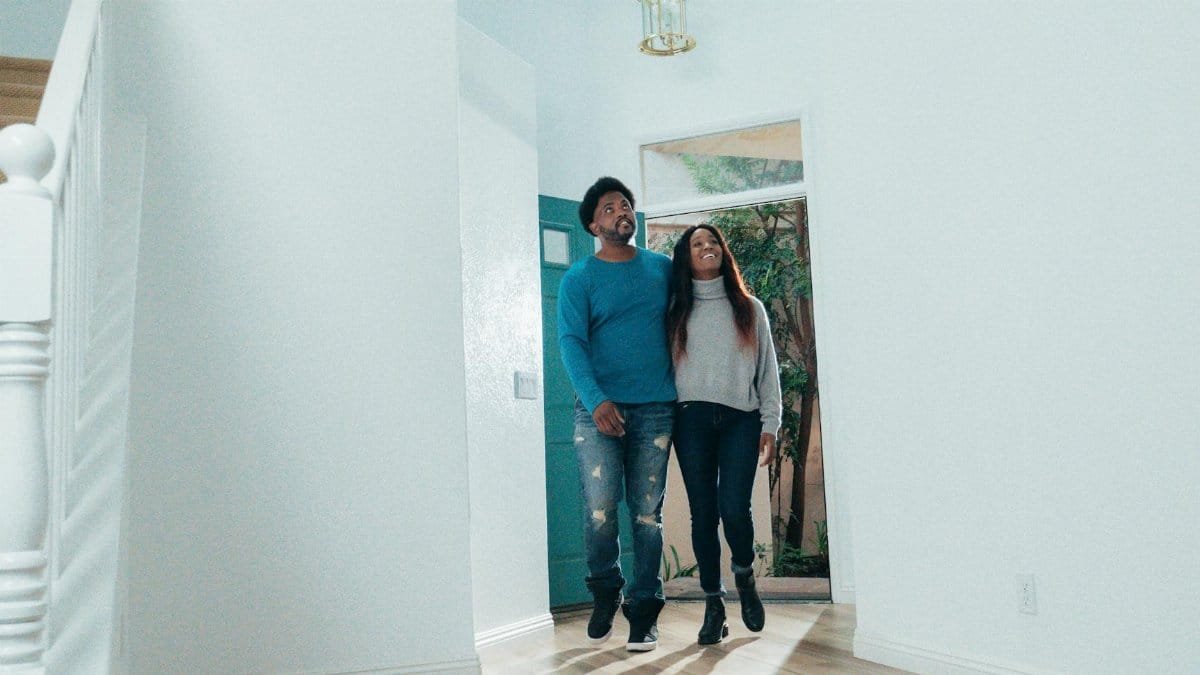
For prospective homeowners, longevity real estate offers a new lens on purchasing decisions. These residences promise environments that support preventative health measures effortlessly. The Global Wellness Summit’s spotlight suggests buyers will increasingly seek properties with built-in longevity features, influencing market preferences in 2026 and beyond. This trend empowers individuals to align their living spaces with wellness goals proactively.
Broader Industry Ripple Effects

Beyond individual homes, longevity real estate reshapes entire communities. Embedding preventative design could standardize wellness-oriented developments, as flagged by the Global Wellness Summit. Real estate professionals must adapt, incorporating these elements to stay competitive. In 2026 U.S. markets, this trend hints at a surge in health-focused neighborhoods, driven by summit-validated demand.
Why Preventative Design Matters Now

Timing amplifies the trend’s relevance. With aging populations and heightened wellness awareness, longevity real estate arrives at a critical juncture. The Global Wellness Summit’s January 27 declaration captures this synergy, where homes evolve to meet modern longevity aspirations. Preventative design embedded in residences addresses these needs head-on, making health an inherent property attribute.
This trend, as identified by the Global Wellness Summit, positions longevity real estate as a transformative force. Homes are no longer passive; they actively contribute to healthier futures through smart, preventative integration.

Natasha is the heart of our exploration into conscious connection. Applying principles from multiple counseling courses in her own life, she guides you to cultivate stronger, more joyful bonds.
Disclaimer
The content on this post is for informational purposes only. It is not intended as a substitute for professional health or financial advice. Always seek the guidance of a qualified professional with any questions you may have regarding your health or finances. All information is provided by FulfilledHumans.com (a brand of EgoEase LLC) and is not guaranteed to be complete, accurate, or reliable.