
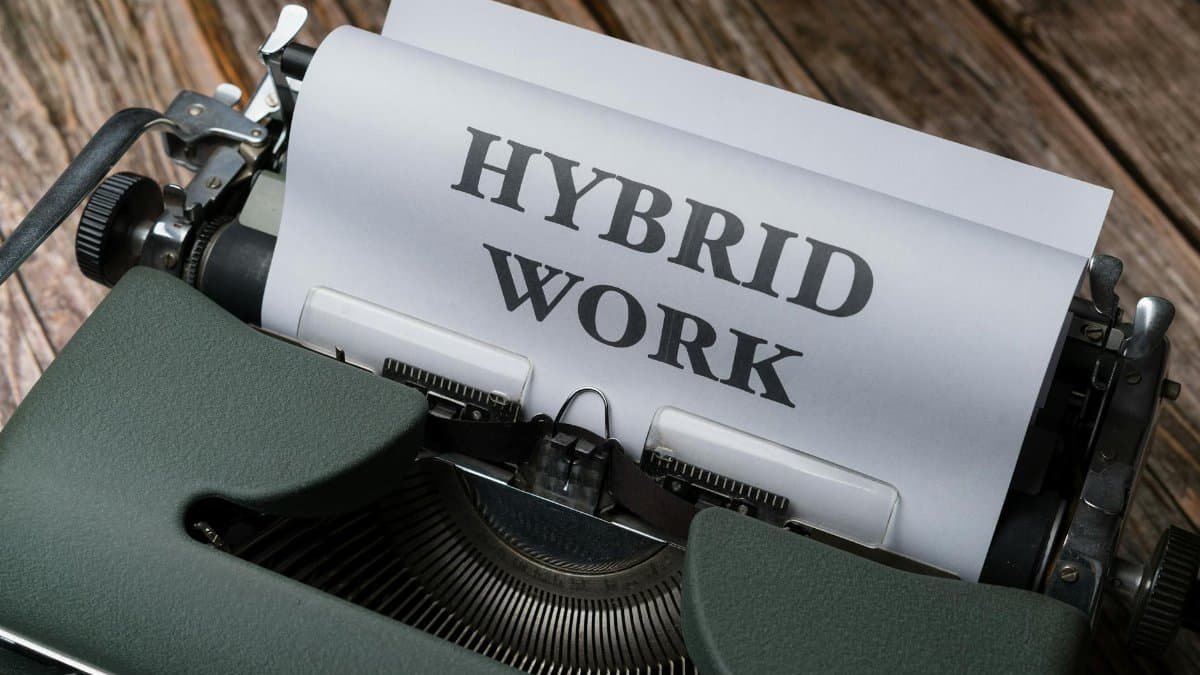
New data from WFH Research confirms hybrid work 2026 stands as the dominant model for modern organizations. Released on February 3, 2026, the findings highlight how companies now view hybrid setups as the baseline. Firms are pouring resources into asynchronous communication tools to make this transition seamless. This shift prioritizes flexibility for knowledge workers while maintaining productivity. The report, sourced via Ivy Exec, underscores a clear pivot away from rigid office mandates.
WFH Research Backs the Shift
WFH Research delivered stark confirmation on February 3, 2026. Their data positions hybrid work as the undisputed default for 2026. No longer experimental, this model drives operational strategies across sectors. Organizations recognize its staying power, fueled by lessons from recent years. The research spotlights real-world adoption rates that solidify hybrid’s role. Knowledge workers benefit most, gaining autonomy without sacrificing collaboration. This isn’t hype—it’s backed by targeted analysis from experts tracking remote trends.
Hybrid Emerges as Standard Practice

Hybrid work cements its place as the 2026 norm. Companies treat it as the go-to framework, blending in-office presence with remote flexibility. The WFH Research data reveals widespread acceptance. Leaders no longer debate viability; they implement it. This default status streamlines planning, from scheduling to culture building. Knowledge workers report higher satisfaction, as hybrid addresses burnout risks tied to full-time offices. Organizations adapt swiftly, ensuring hybrid work 2026 fits diverse team needs.
Investments Pour into Async Tools

Organizations ramp up spending on asynchronous communication tools. These platforms allow teams to collaborate without real-time overlap. WFH Research notes this as a key enabler for hybrid success. Tools like shared docs, video updates, and threaded messaging reduce meeting fatigue. Investments target scalability, supporting global teams across time zones. The result? Smoother workflows that keep projects moving. Firms prioritize vendors offering robust async features, signaling long-term commitment to hybrid infrastructures.
Why Async Communication Thrives

Asynchronous tools redefine team dynamics in hybrid setups. Workers contribute on their schedules, boosting output. WFH Research data ties this directly to 2026’s default model. No more synced calendars dictating progress—updates happen via recorded messages or async threads. This approach cuts interruptions, letting focus reign. Organizations investing here see quicker decisions and less friction. For knowledge workers, it means reclaiming personal time while staying aligned. Async isn’t optional; it’s the backbone of efficient hybrid work.
Knowledge Workers Drive Demand

Hybrid work 2026 resonates strongest with knowledge workers. These professionals—think analysts, creators, and strategists—crave balance. WFH Research confirms organizations tailor hybrid to their needs. Async tools empower independent contributions, vital for roles heavy on deep thinking. Firms respond by upgrading tech stacks, fostering environments where remote and office days coexist. Retention improves as workers avoid commute drudgery. This data-driven pivot ensures hybrid sustains high performance across the board.
Organizational Strategies Evolve
Companies reshape policies around hybrid as the default. WFH Research highlights proactive investments in supporting tech. Leaders redesign spaces for optional office use, emphasizing collaboration hubs over daily mandates. Async tools integrate into core operations, from onboarding to performance reviews. Budgets shift from real estate to digital enablement. The February 3 release stresses measurable gains in agility. Organizations that lag risk talent loss in a hybrid-preferring market.
Source Credibility from Ivy Exec

Ivy Exec channels the WFH Research findings, lending executive-level weight. This platform connects with decision-makers who validate the data firsthand. Their role ensures the report reflects C-suite realities. For deeper context, explore Ivy Exec, a hub for professional insights. The alignment with broader U.S. workplace studies reinforces hybrid’s momentum. Async tool focus matches patterns seen in established reports, like Microsoft’s Work Trend Index available at Microsoft WorkLab.
Implications for U.S. Workplaces

In 2026, hybrid work reshapes U.S. offices profoundly. WFH Research data predicts sustained investments in async solutions. Organizations gain leaner operations, cutting overhead while empowering staff. Knowledge workers secure better work-life integration, a priority post-pandemic. This default model influences hiring, with async proficiency now a must-have skill. Firms leading the charge build resilient cultures. The Ivy Exec-sourced report offers a roadmap: adapt to hybrid, invest wisely, and thrive.
The confirmation is clear. Hybrid work 2026 defines the landscape, propelled by data and dollars into async innovation.

Natasha is the heart of our exploration into conscious connection. Applying principles from multiple counseling courses in her own life, she guides you to cultivate stronger, more joyful bonds.
Disclaimer
The content on this post is for informational purposes only. It is not intended as a substitute for professional health or financial advice. Always seek the guidance of a qualified professional with any questions you may have regarding your health or finances. All information is provided by FulfilledHumans.com (a brand of EgoEase LLC) and is not guaranteed to be complete, accurate, or reliable.