
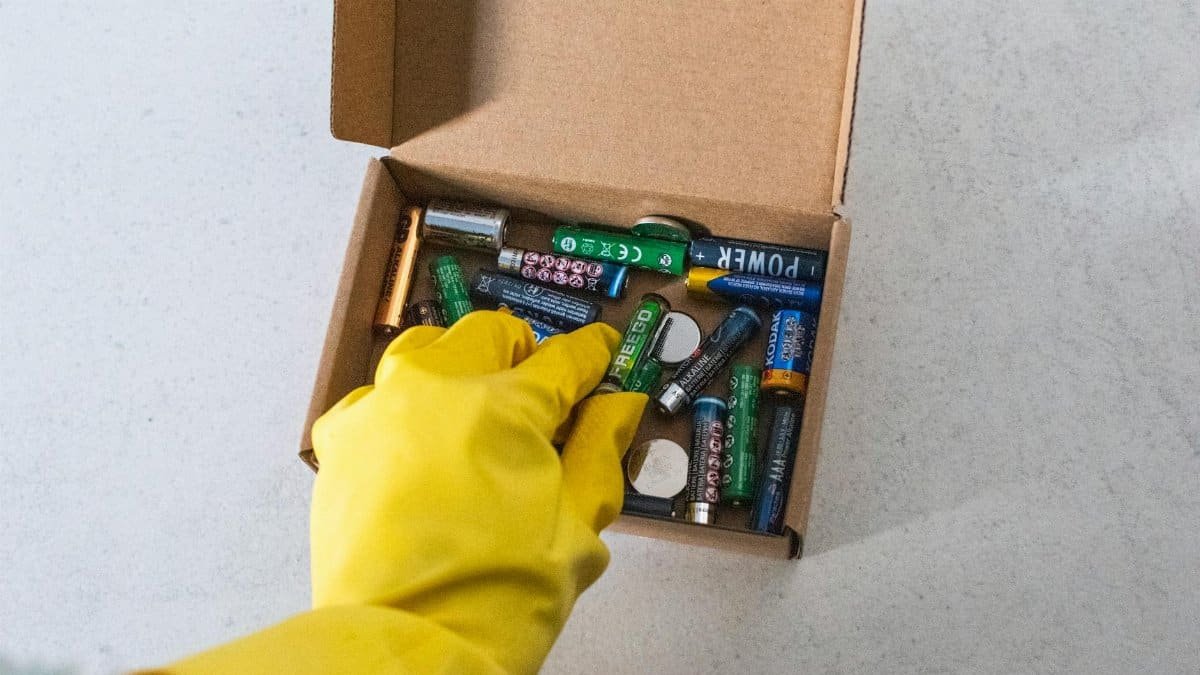
Lithium-ion batteries power everything from your smartphone to your power tools, but toss one in the trash and you risk fires or toxic leaks. New data from the U.S. Environmental Protection Agency reveals that Americans discard over 500,000 tons of these batteries annually, with recycling rates lagging at just 5%. That’s changing fast as states mandate EPA-backed programs to recycle lithium batteries safely. Here’s your no-nonsense guide to doing it right from household clutter.
Why Lithium Batteries Demand Caution
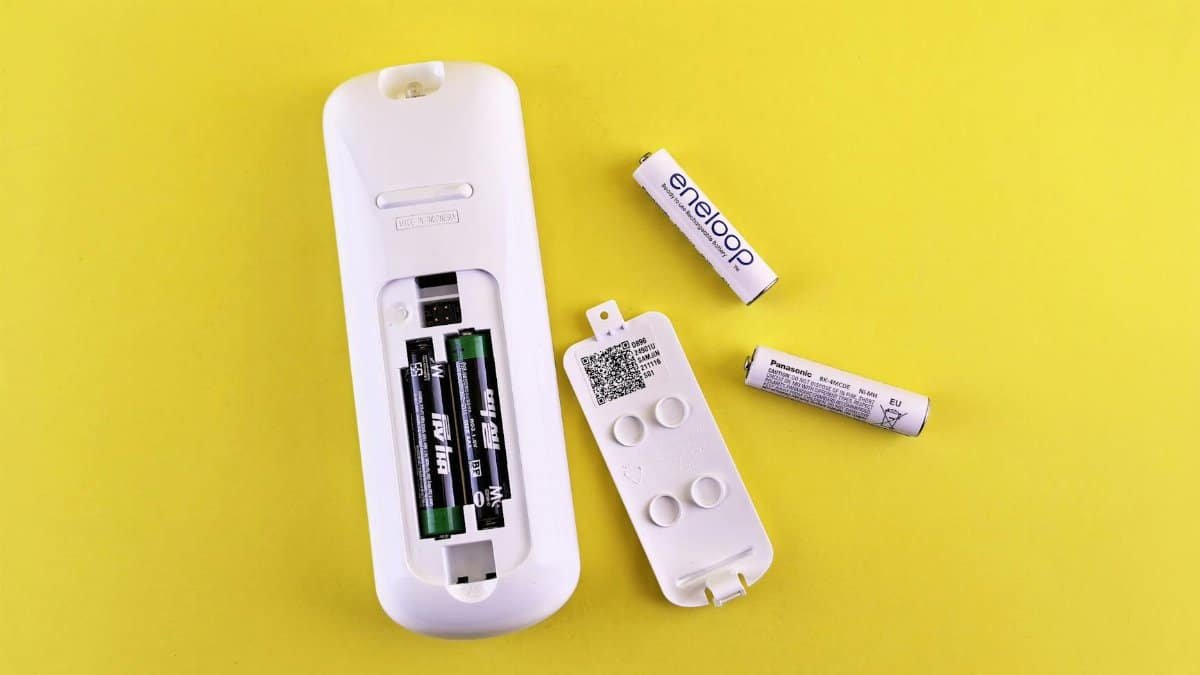
These powerhouses pack dense energy. Puncture one, and it can ignite spontaneously. In 2023 alone, U.S. fires linked to discarded lithium-ion batteries jumped 30%, per the National Fire Protection Association. Recycling prevents that nightmare. It also recovers rare metals like cobalt and lithium, slashing mining needs. Experts say proper handling keeps landfills clean and your garage safe.
Identify Batteries Ready for Recycling
Check labels first. Look for “lithium-ion,” “Li-ion,” or “ICR” markings on devices like laptops, vapes, e-bikes, and cordless drills. Button cells in remotes or toys often qualify too. Not sure? Peel back the casing—most modern gadgets hide them inside. Skip alkaline or NiMH types; those go in regular trash. Aim to recycle lithium batteries from anything rechargeable post-2010.
Prep Your Batteries Step by Step
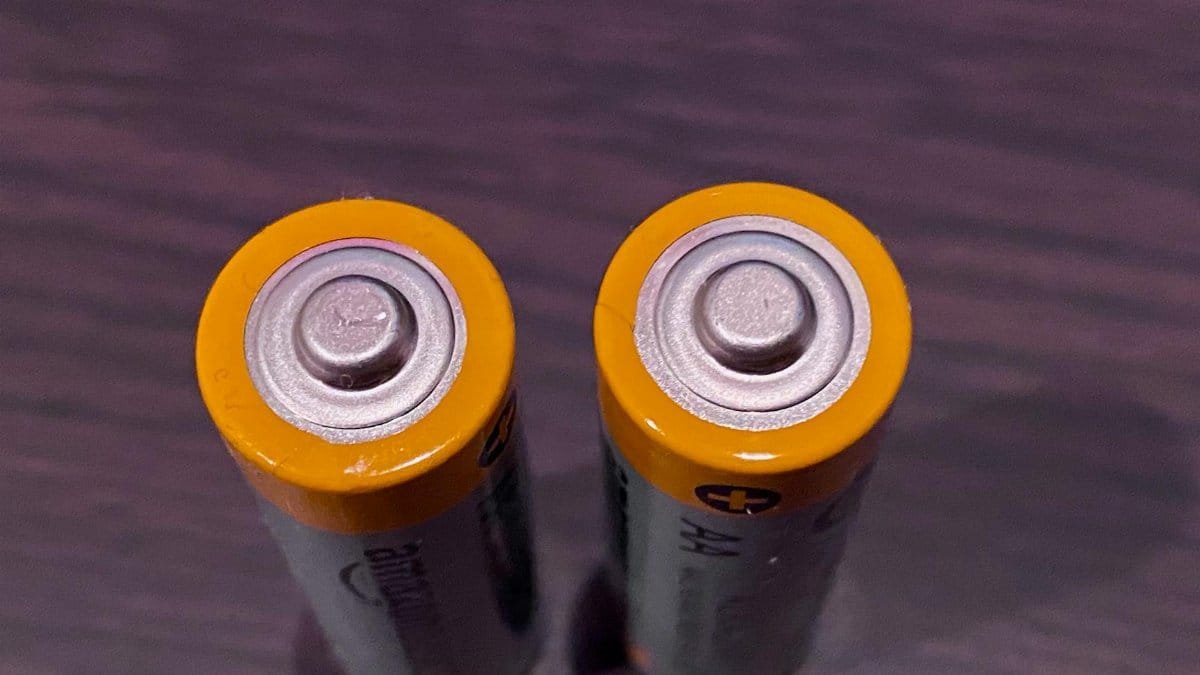
Power them down. Tape exposed terminals with non-conductive tape like electrical or Kapton to avoid shorts. If swollen or damaged, isolate in a non-flammable bag. Discharge fully by draining via low-power use—no forcing it. Group by size in sturdy plastic bags. Label “Lithium Batteries for Recycling.” This simple routine cuts risks by 90%, according to safety pros.
Safe Storage Until Drop-Off
Don’t hoard. Store in cool, dry spots away from kids and pets. Use fireproof containers like metal ammo cans lined with sand. Never in direct sun or near flammables. Collected a pile? Act within weeks. Fire departments report most incidents from improper home storage. Keep volumes low—one bag max per household at a time.
Find Drop-Off Spots Near You
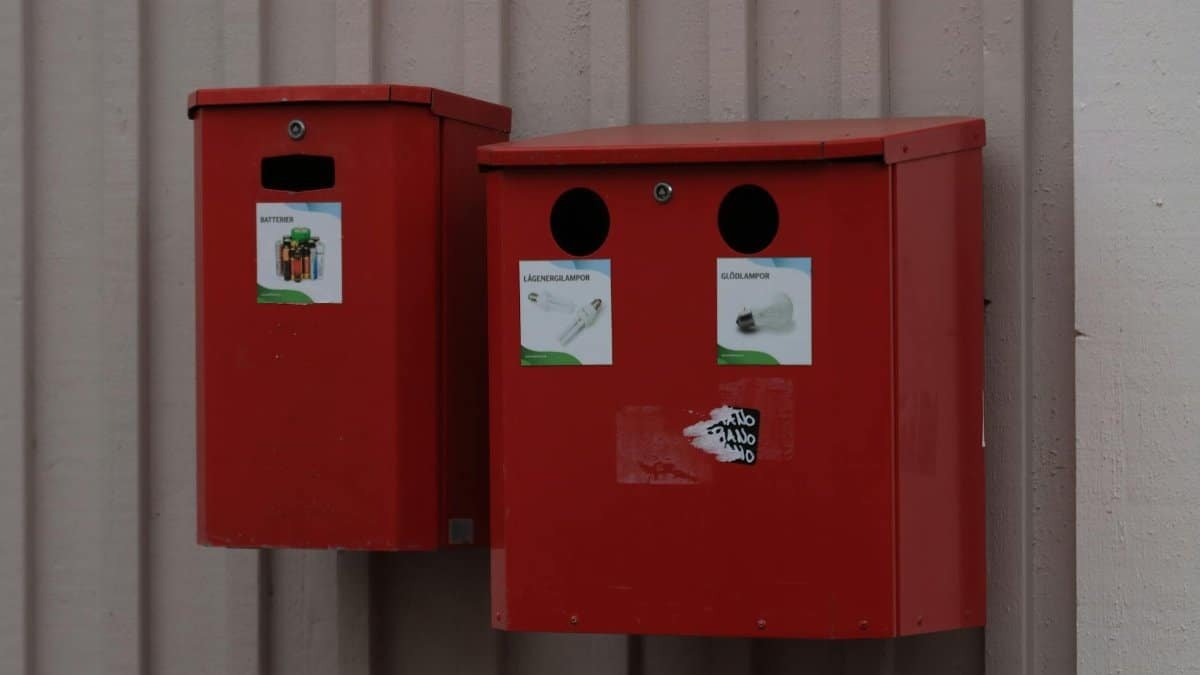
Most big-box stores lead the charge. Home Depot, Lowe’s, and Best Buy host free stations via Call2Recycle, the largest U.S. program. Plug your ZIP into their locator. Auto parts chains like AutoZone take car batteries too. Municipal hazardous waste days work for bulk. Apps like iRecycle pinpoint options instantly.
Leverage Free National Networks

Call2Recycle partners with retailers nationwide, handling millions yearly. Batteries Plus Bulbs offers prepaid shipping labels for mail-back. For California residents, state law requires grocers and pharmacies to accept them. Check RBRC.org for events. These networks processed 40 million pounds in 2023, proving access is no excuse.
Follow Drop-Off Best Practices
Arrive calm. Hand batteries directly to staff—don’t dump in bins. Declare if damaged for special handling. Receipts prove compliance in regulated states like New York. For businesses, bulk services from Li-Cycle handle tons. One drop-off recycles enough lithium for 1,000 phone batteries.
Inside the Recycling Process
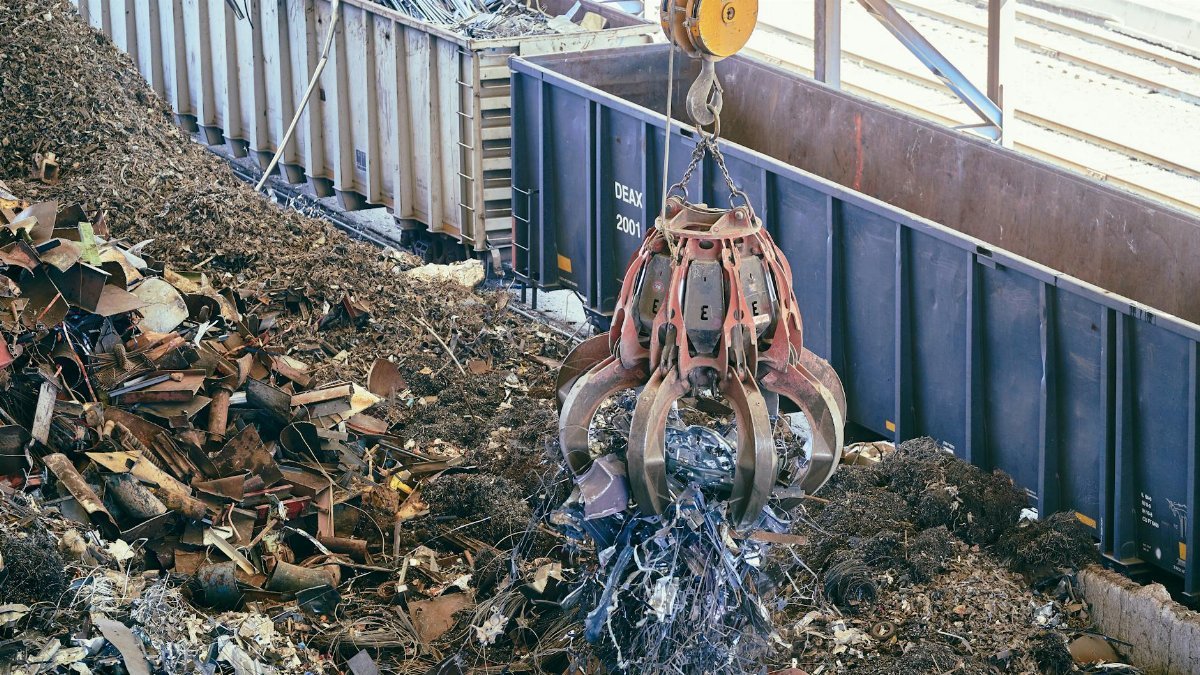
Facilities shred batteries inertly under nitrogen to kill fire risk. Magnets and sieves sort metals. Hydrometallurgy extracts 95% of cobalt, nickel, and lithium for reuse in new cells. Redwood Materials in Nevada refines at scale, feeding Tesla’s supply chain. It’s a closed loop cutting emissions 50% versus virgin mining.
Dodge These Rookie Errors
Biggest blunder: Trash cans. Fires erupt weekly in waste streams. Don’t microwave to discharge—that’s explosive. Skip DIY melting videos online; they’re deadly. Ignore “full discharge” myths for swollen packs—tape and recycle. And never mix with household waste.
Boost Your Impact Today

Recycling lithium batteries curbs pollution and secures supply chains amid EV booms. One household effort saves 10 pounds of CO2 yearly. States like Colorado now fine improper disposal. Track progress via EPA dashboards. Start small: Raid your junk drawer this weekend. The payoff? Cleaner planet, safer streets. Your move.

With a career spanning investment banking to private equity, Dominik brings a rare perspective on wealth. He explores how money can be a tool for personal freedom and positive impact, offering strategies for abundance that align with your values.
Disclaimer
The content on this post is for informational purposes only. It is not intended as a substitute for professional health or financial advice. Always seek the guidance of a qualified professional with any questions you may have regarding your health or finances. All information is provided by FulfilledHumans.com (a brand of EgoEase LLC) and is not guaranteed to be complete, accurate, or reliable.