
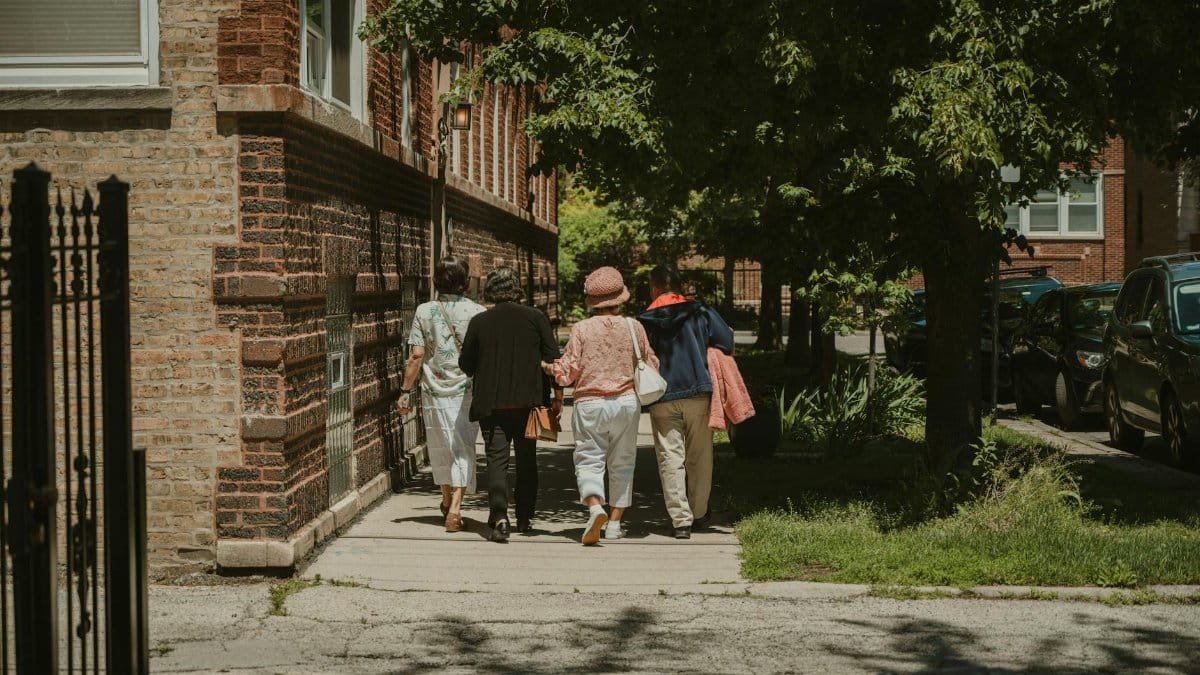
What if the sidewalks right outside your door held the key to silencing the endless mental noise of daily life? In cities and suburbs alike, a quiet revolution is underway: mindful walking neighborhood routines that transform ordinary strolls into powerful resets for the mind. No retreat needed, no expensive retreats—just you, your steps, and the world around you. Reports from walkers nationwide highlight sharper focus, eased tension, and unexpected joys rediscovered in cracked pavement and rustling leaves. As burnout grips more Americans, this practice emerges as an accessible antidote, blending movement with presence in the places we already know best.
The Essence of Mindful Walking
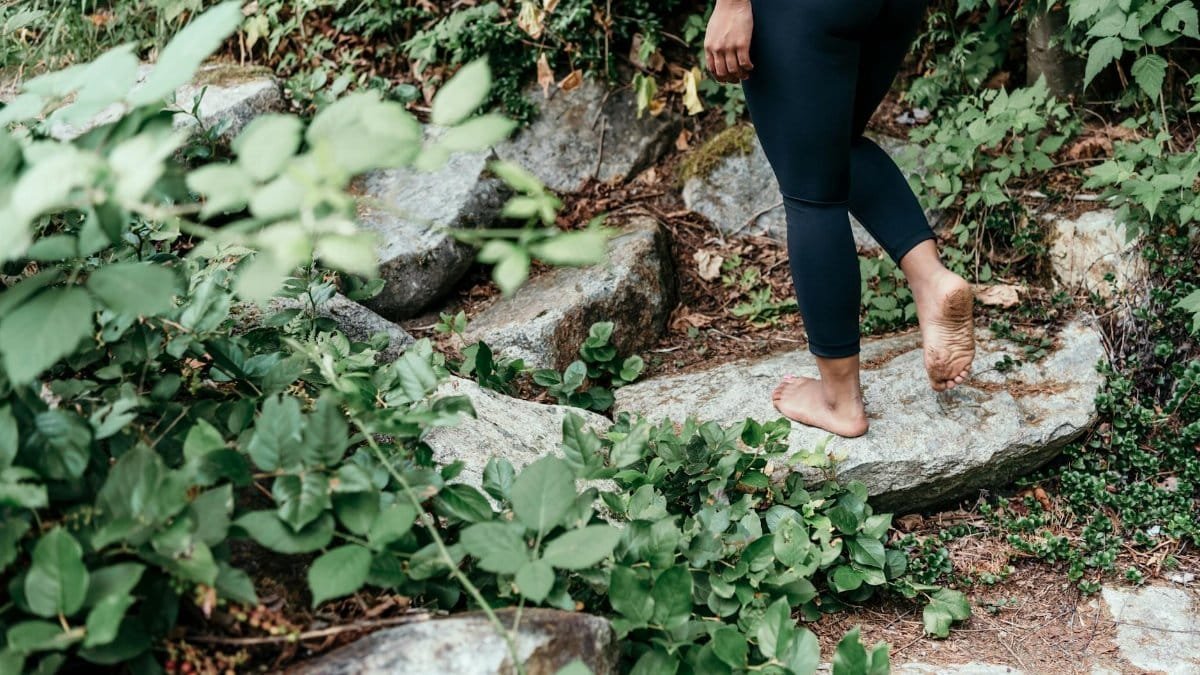
Consider a retiree in Seattle named Tom. He laces up his shoes each dawn, not for fitness logs, but to greet the day without agenda. Mindful walking strips away the rush. It invites full attention to each footfall, each breath. Experts trace its roots to Zen traditions, yet it adapts seamlessly to modern streets. Forget forced meditation poses. Here, awareness blooms amid parked cars and barking dogs. Practitioners learn to notice without judging—the chill of morning air, the rhythm of distant traffic. This shift alone disrupts autopilot living. Subtle at first, it builds into a habit that anchors the day.
Why Neighborhood Paths Trump Parks or Trails
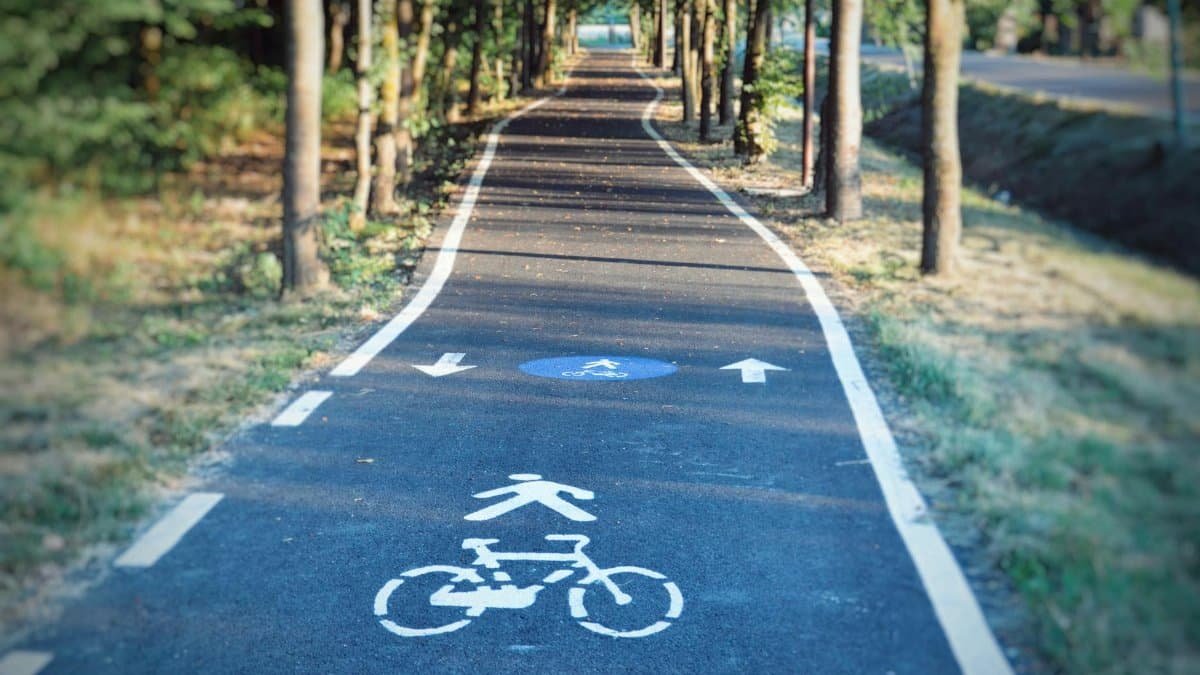
Your block offers intimacy that grand parks cannot match. Familiarity breeds comfort, easing entry into mindfulness. Spot the same oak tree daily, and its branches become markers of inner states. Urban planners note how local walks foster community ties too. A study from the National Institutes of Health links routine neighborhood ambles to lower cortisol levels, thanks to the blend of routine and novelty. No driving required. Paths wind past neighbors’ gardens, kids on bikes, life unfolding. This grounded setting grounds the mind, turning proximity into profound practice.
Essential Preparations Before You Step Out

Leave the earbuds behind. Silence amplifies awareness. Dress in layers for shifting weather—mindfulness thrives on adaptability. Set an intention loosely: notice sounds today, or body sensations tomorrow. One woman shared in an online forum how ditching her phone playlist unlocked bird calls she had ignored for years. Start small, five minutes if ten feels daunting. Hydrate, stretch lightly. These steps prime the nervous system. Research from the Harvard Medical School underscores how pre-walk rituals enhance overall session depth, making presence stick.
Breath as Your Anchor on the Move

Breathe in for four counts, out for six. Sync it with strides. This technique, drawn from basic pranayama, steadies the pulse. Feel the diaphragm expand against your shirt. When thoughts intrude—grocery lists, work emails—return to breath without self-scolding. A group in Denver experimented during lunch-hour loops. “It was like hitting reset,” one recalled. Consistency matters more than perfection. Over weeks, this tether strengthens, pulling you back from mental drifts. Neighborhood nuances sharpen the exercise: uphill breaths grow labored, teaching patience.
Engaging the Senses Fully

Pause at a fence line. What textures emerge? Rough brick, smooth metal rail. Listen: leaves scrape sidewalk, a door creaks two houses down. Smell damp earth after rain. Taste the faint salt of sweat. Sight invites specifics—the play of shadow on lawns. This multisensory dive roots you present. Vary focus daily to avoid routine staleness. One account from public discussions described a walker halting mid-stride for a flower’s scent, dissolving hours of pent-up worry. Sensory immersion combats dissociation, a common modern malaise.
Navigating Distractions Without Frustration

Cars honk. A phone buzzes in your pocket—ignore it. Mindful walking neighborhood practice shines in chaos. Label distractions gently: “planning,” “worrying.” Then release. Traffic becomes a lesson in non-attachment. If neighbors wave, respond warmly but return inward. Urban density tests resolve, building resilience. Therapists recommend this for anxiety management. A American Psychological Association piece details how such exposures during walks rewire stress responses, turning irritants into teachers.
Science Validates the Neighborhood Stroll
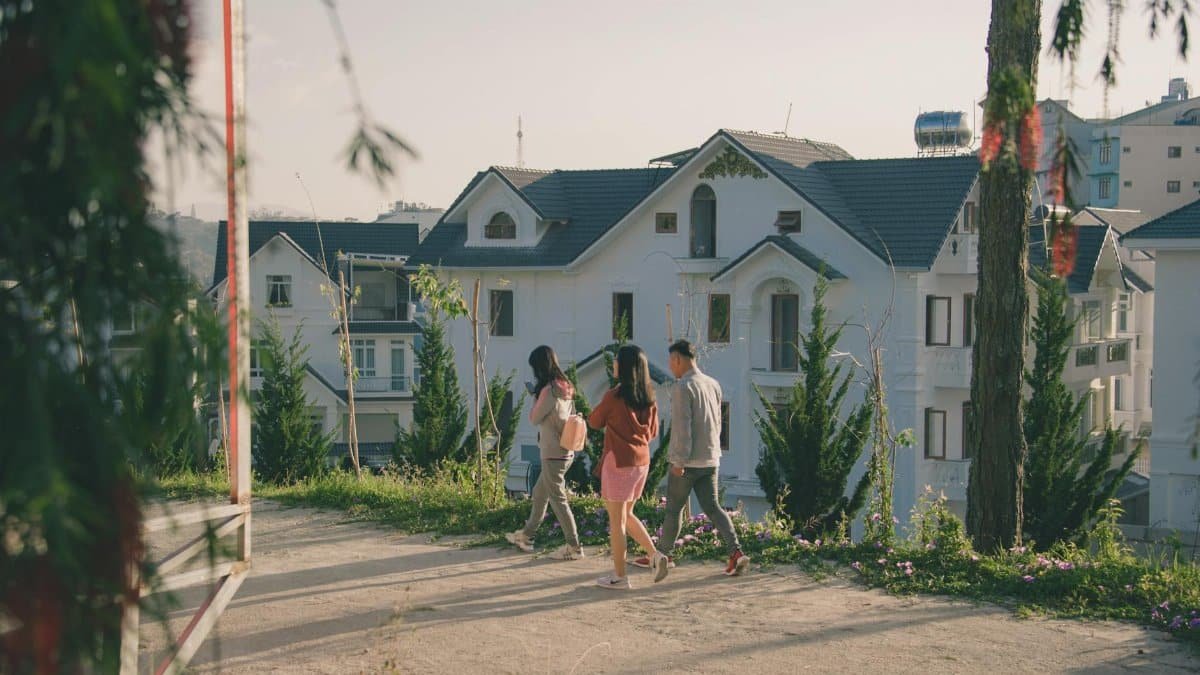
Data piles up. Walking boosts brain-derived neurotrophic factor, nurturing neural growth. Add mindfulness, and effects multiply. The Centers for Disease Control and Prevention reports regular walkers cut depression risk by 25 percent. Neighborhood versions add social buffers. A Japanese forest bathing analog, shinrin-yoku, shows similar immune lifts, adaptable to city blocks. Longitudinal tracking reveals sustained practitioners sleep deeper, relate better. Skeptics once dismissed it as fluff. Numbers now affirm: this is no placebo.
Layering in Gratitude and Reflection

Mid-walk, name three sights that spark thanks—a blooming hydrangea, kids’ laughter echoing. Speak them silently. This pivots perspective from scarcity to abundance. End with a block of reflection: what arose? Journal it later. Couples in Chicago pair these walks, strengthening bonds through shared pauses. Reflection cements gains, preventing fade-out. Over months, patterns emerge—recurring tensions, glimmers of peace. Neighborhood constancy mirrors inner work’s steadiness.
Building Momentum Into a Daily Ritual

Anchor walks to cues: post-coffee, pre-dinner. Track loosely in a notebook, not apps. Invite a friend occasionally for accountability, but solo reigns for depth. Scale up gradually—ten minutes to half-hour. Weather challenges? Umbrella in hand, proceed. Communities form organically: block-wide sunset strolls. One retiree turned his routine into a local newsletter, inspiring dozens. Habit science stresses cues and rewards. Yours? That post-walk clarity, a mind like fresh snow.
Advanced Twists for Seasoned Walkers

Incorporate mantras: “Step, breathe, open” per pace. Experiment with backward glances—not literally, but reviewing the path behind as metaphor for past release. Pair with light yoga at turns. For dawn patrols, align with sunrise for circadian sync. Groups in Portland host silent neighborhood circuits, fostering wordless connection. Push boundaries: walk new blocks weekly, stirring fresh awareness. These evolutions keep practice vibrant, warding off plateau.
Fostering a Mindful Walking Neighborhood Culture
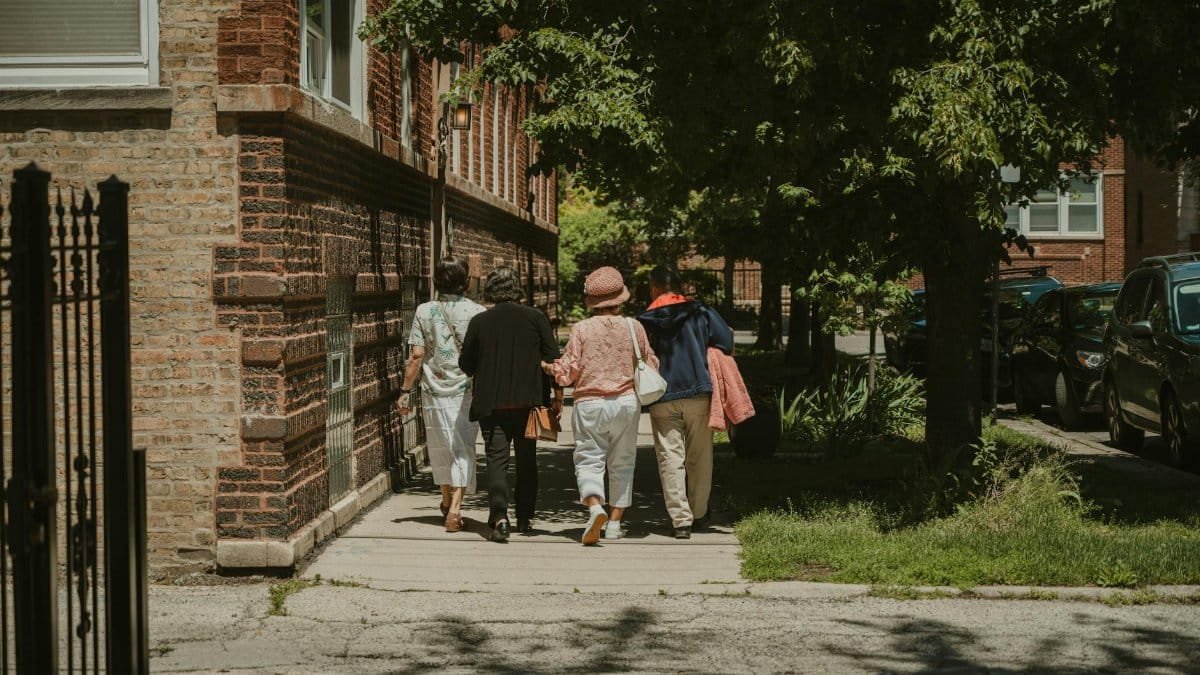
Solo starts, but community amplifies. Share tips at fences. Suggest no-talk zones during group jaunts. Local libraries host intros; apps like Meetup list them. In one Midwest town, residents mapped “mindful routes,” dodging noise hotspots. This collective energy sustains motivation. Public health advocates push it citywide, eyeing mental wellness epidemics. Your steps ripple outward, nudging others toward presence.
Lasting Impacts and How to Sustain Them

Months in, walkers report equanimity amid storms—job losses, family strains. Cognitive edges sharpen: decisions flow clearer. Measure via journals: fewer distraction counts, more vivid memories. Lapses happen; restart kindly. Neighborhoods evolve with you—new cafes, seasonal shifts mirroring growth. This practice endures because it fits life, not disrupts it. In a world screaming for attention, mindful walking neighborhood carves quiet space. Start today. The street awaits.

A certified hypnotherapist, Reiki practitioner, sound healer, and MBCT trainer, Christopher guides our journey into the spiritual dimension, helping you tap into a deeper sense of peace and awareness.
Disclaimer
The content on this post is for informational purposes only. It is not intended as a substitute for professional health or financial advice. Always seek the guidance of a qualified professional with any questions you may have regarding your health or finances. All information is provided by FulfilledHumans.com (a brand of EgoEase LLC) and is not guaranteed to be complete, accurate, or reliable.