
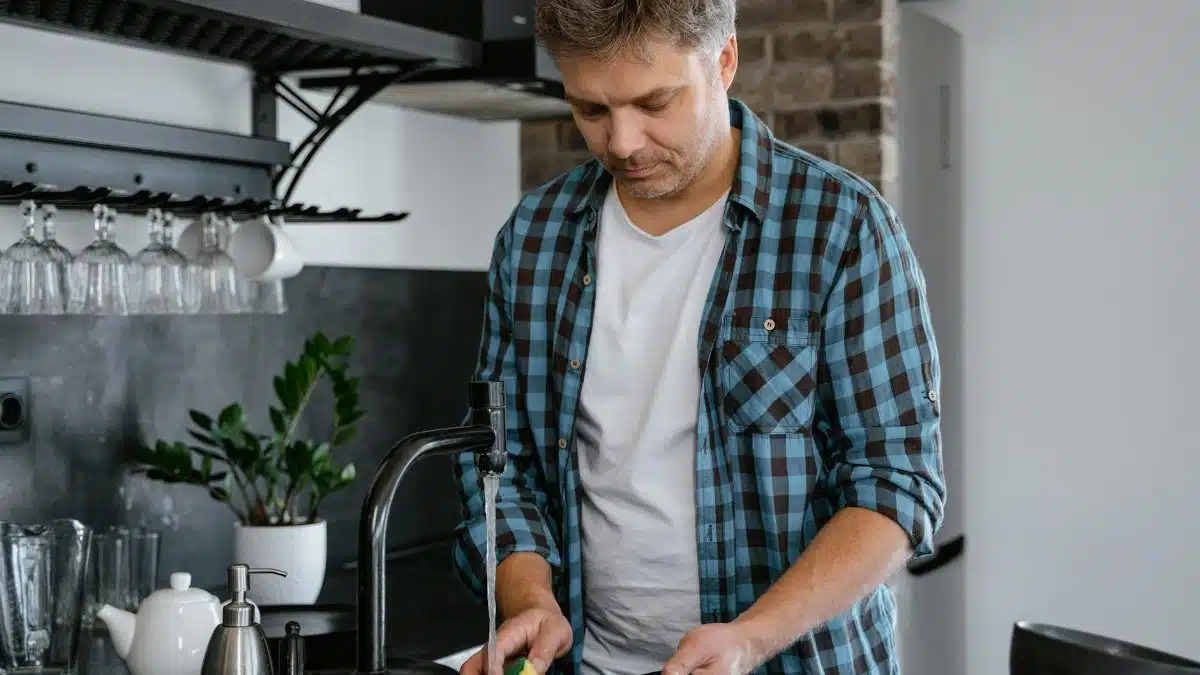
In kitchens across suburban neighborhoods from Seattle to Atlanta, a quiet revolution brews amid soap suds and clinking plates. More Americans are transforming the drudgery of dishwashing into moments of mindfulness. Gratitude doing dishes has emerged as a simple ritual, turning a resented chore into a pathway for calm. Therapists report patients rediscovering joy in the splash of water and rhythm of scrubbing. Social media buzzes with shared routines that blend hygiene with reflection. This shift arrives at a time when burnout stalks busy households. Families juggle remote work, school runs, and endless to-do lists. Yet here, at the sink, something profound unfolds. People pause. They notice. Gratitude doing dishes invites a reset, proving even the smallest tasks hold power to rewire our days.
The Neuroscience of a Soapy Epiphany

Water rushes from the faucet. Hands plunge into warm suds. For many, this scene spells tedium. Science suggests otherwise. Neuroimaging studies show gratitude activates brain regions tied to reward and empathy. The prefrontal cortex lights up, much like during acts of kindness.
Consider the work at the Greater Good Science Center. Researchers there tracked how brief gratitude exercises reshape neural pathways.Their findings reveal strengthened connections in areas handling positive emotion. Apply this to dishes. Each rinsed fork becomes a cue. Thoughts drift to fresh meals shared with loved ones. The brain rewards the shift.
One clinician in Chicago describes a patient who started naming three specifics per plate: the meal’s flavor, the cook’s effort, the nourishment. Over weeks, anxiety dipped. No apps needed. Just suds and sincerity.
Why Dishes? The Perfect Canvas for Reflection
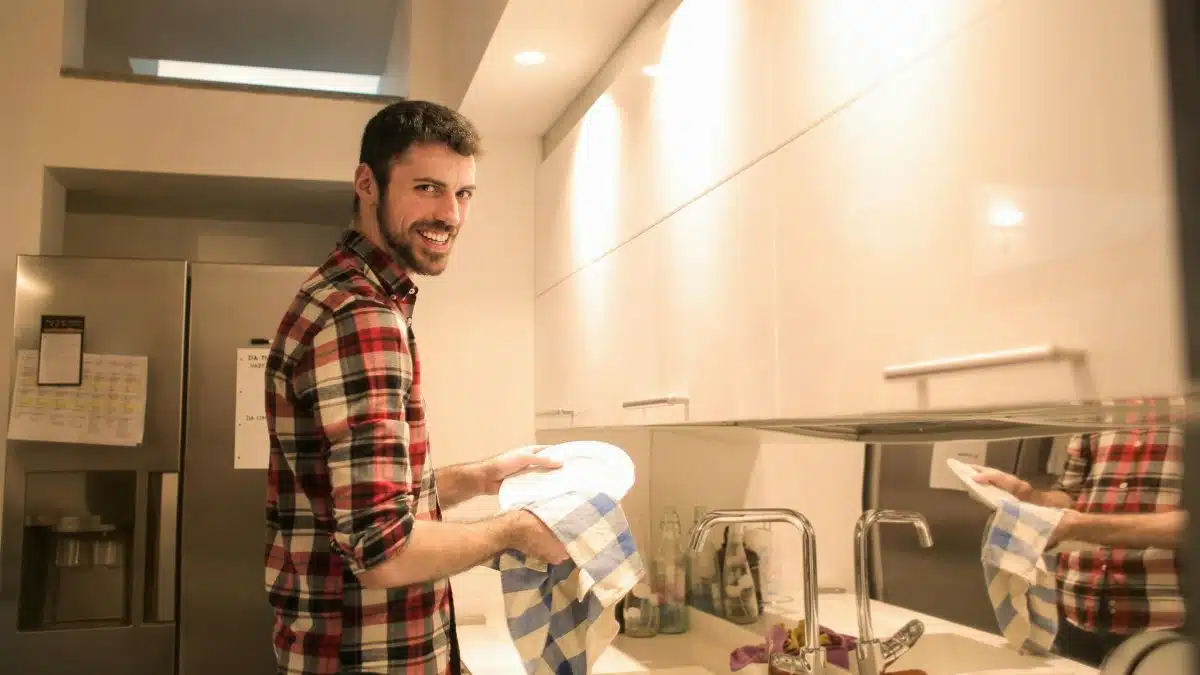
Few chores match dishwashing’s intimacy. No machinery intervenes. Hands feel every texture—greasy spatulas, fragile glasses. This tactility grounds the mind.
Experts point to its repetitive flow. Like walking meditation, the task quiets mental chatter. Psychologists call it “flow state,” coined by Mihaly Csikszentmihalyi. Dishes demand just enough focus to anchor wandering thoughts.
In urban apartments, where space cramps creativity, the sink stands ready. No gym membership required. A mother in Denver shared how she whispers thanks for running water during evening scrubs. Her daughter now joins, turning chore time into family lore.
Step One: Shift the Frame Before the First Plate
Preparation matters. Approach the sink with intent. Stack dishes loosely. Let steam rise like an invitation.
Breathe deep. Inhale the citrus scent of soap. Exhale tension from the day. Name the resistance: “This feels endless.” Then counter it. Recall a time clean dishes meant relief—a late-night snack, guests arriving.
Harvard researchers emphasize this reframing.Their overview of gratitude practices shows immediate mood lifts. Start small. Thank the plate for holding food that fueled your body.
Layering Gratitude: From Surface to Depth

Scrub beyond grease. With each pass, layer thanks. Surface level: gratitude for hot water, a stocked fridge. Deeper: appreciation for hands that work, relationships nourished at the table.
Vary it daily. Monday, focus on providers—farmers, grocers. Tuesday, memories tied to that chipped mug from a road trip. The practice builds resilience.
A veteran in Texas posted anonymously online about post-deployment struggles. Dishes became his anchor. “Naming what lasted—soap, strength—pulled me through,” he wrote. Such accounts echo in forums, hinting at widespread appeal.
When the Mind Rebels: Navigating Distractions
Resistance hits hard. Phones ping. Tomorrow’s worries intrude. The stack seems infinite.
Push through with anchors. Feel the sponge’s grit. Hear suds pop. These sensations recenter.
The American Psychological Association notes gratitude combats rumination.Their analysis of journaling trials found persistent practice rewires habits. Adapt for dishes: mentally log three gratitudes per section—utensils, bowls, pots.
Forgive slips. Restart. Consistency trumps perfection.
Stories from the Sink: Everyday Transformations
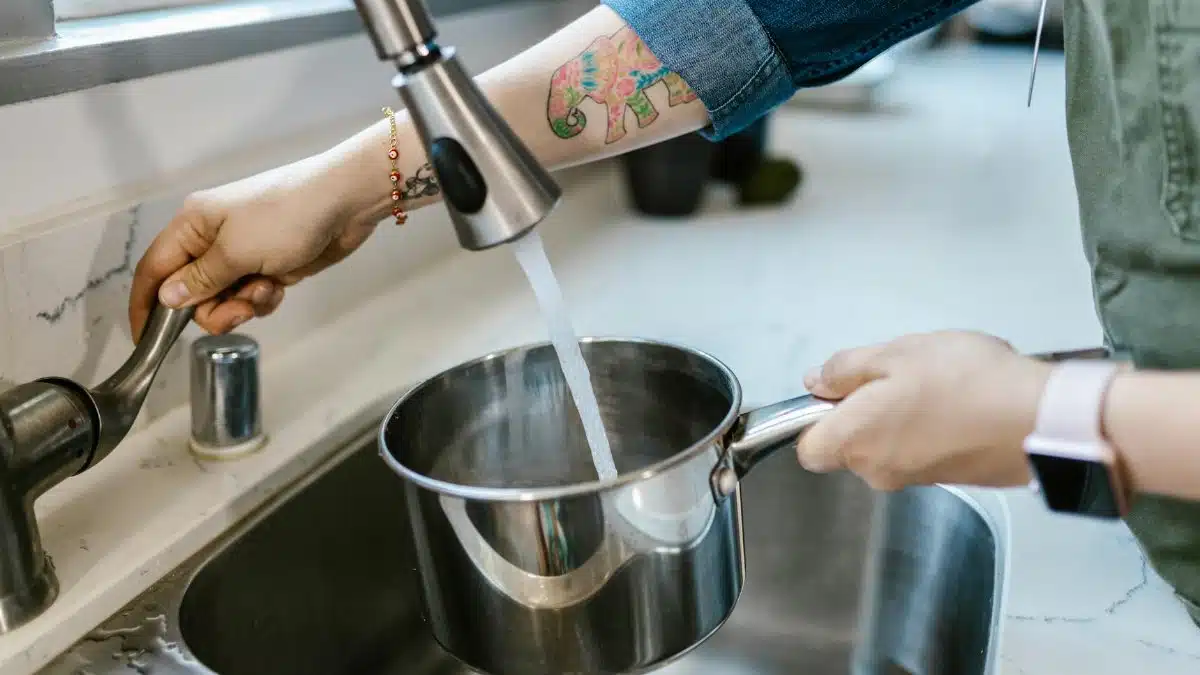
Take Maria, a nurse in Boston. Shifts left her drained. Dishes loomed as punishment. She tried gratitude doing dishes on a whim. First night, she thanked her scrubs for protection, then plates for team potlucks. Sleep improved. Energy returned.
Across town, a retiree named Tom stacks his ritual with podcasts off. Silence amplifies thanks—for decades of family dinners, now solo but rich. He reports sharper focus, less isolation.
These snapshots reveal patterns. Chores morph into ceremonies. Joy seeps in.
Science Validates the Ritual
Rigorous trials back it. A landmark study in the Journal of Personality and Social Psychology tested gratitude interventions. Participants listing benefits weekly reported higher optimism.The PMC-hosted paper details physiological perks: better sleep, fewer ailments.
Tie this to chores. Repetition reinforces. Dishes provide endless reps. Positive psychology pioneer Robert Emmons calls it “upstream gratitude”—tracing gifts to sources.
Family Dynamics at the Faucet
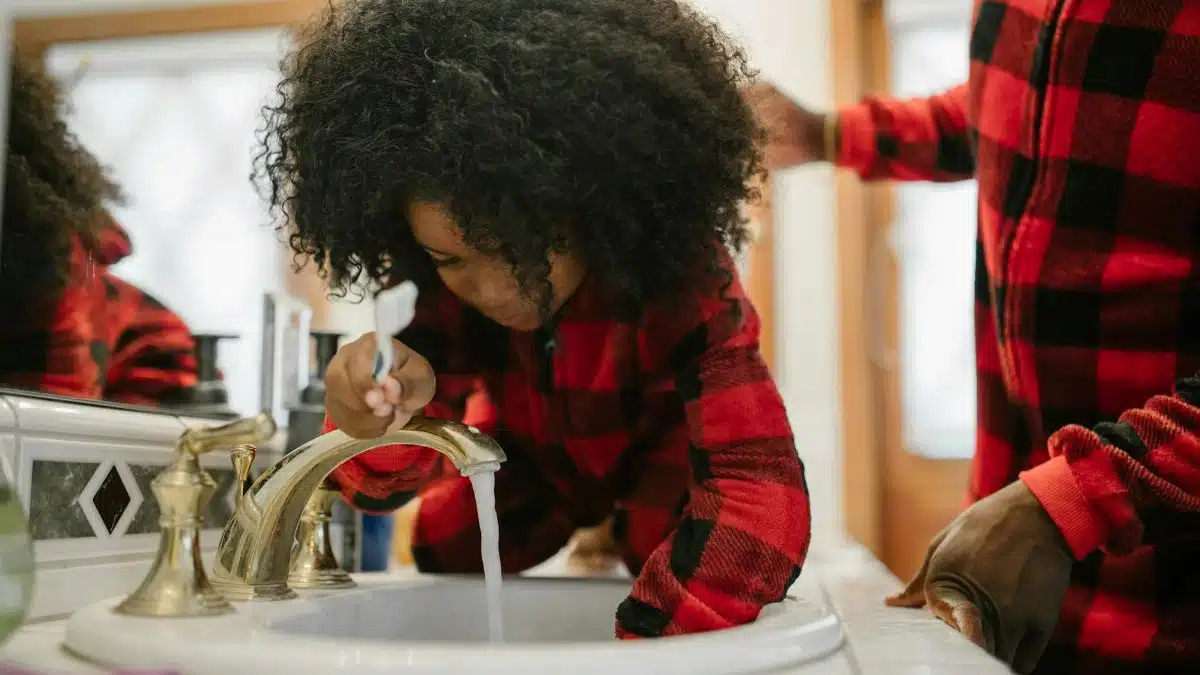
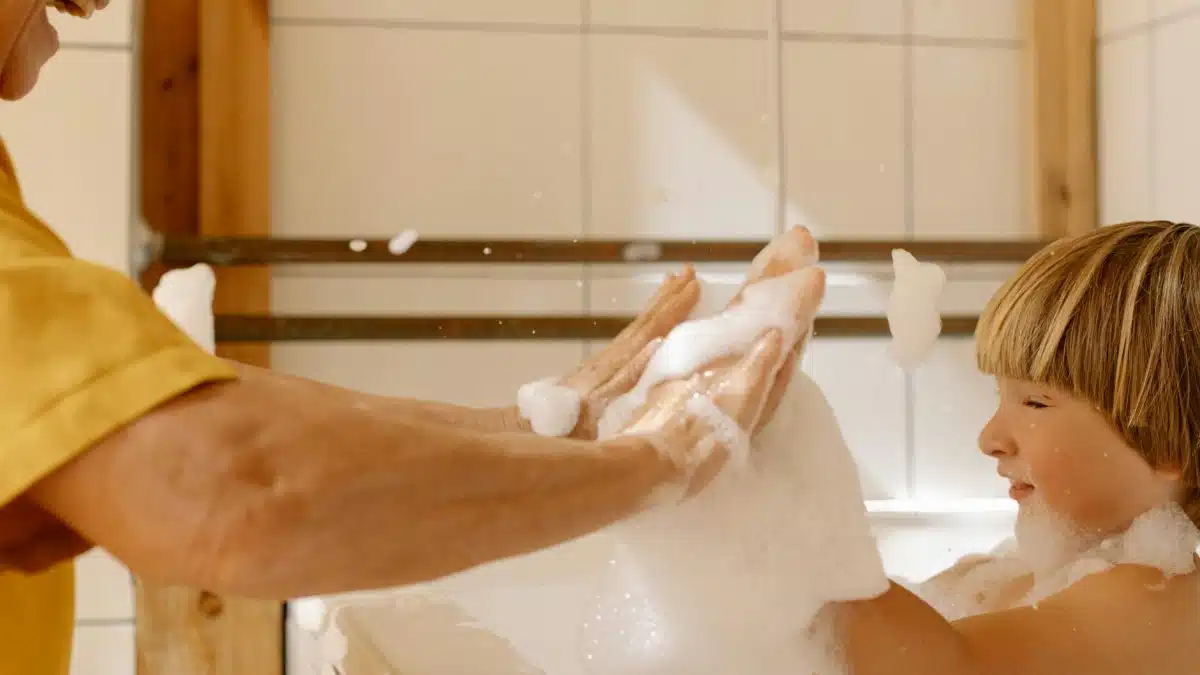
Involve others. Turn solo suds into shared practice. Kids rinse, naming school highlights. Spouses swap thanks for small acts.
Tensions arise—splashes, squabbles. Lean in. Gratitude diffuses. One couple in Portland credits sink talks for rebuilding connection post-pandemic.
Watch dynamics shift. Complaints fade. Laughter bubbles up.
Scaling Up: Beyond the Kitchen
Dishes spark momentum. Carry thanks to laundry, commuting. The habit expands.
Mindfulness apps nod to this. Headspace guides cite dishwashing as entry point. Yet no screen beats the real sink.
Long-term? Enhanced relationships, productivity. Studies link gratitude to prosocial behavior. Workplaces notice: calmer teams, bolder ideas.
Common Pitfalls and Fixes
Forced thanks ring hollow. Authenticity rules. If gratitude feels fake, start neutral: observe water’s clarity, plate’s curve.
Time crunches? Five minutes suffices. Half the stack builds the muscle.
Skeptics doubt. Experiment. Track mood pre- and post-sink. Data convinces.
A Lasting Legacy in Suds
Gratitude doing dishes endures because it’s accessible. No cost, no travel. In a world of quick fixes, this ritual roots deep.
Reflect on broader ripples. Healthier homes foster resilient communities. As burnout eases, creativity flourishes.
Next sink session, pause. Feel the possibility. The chore awaits reinvention. America’s kitchens hum with quiet power.

A certified hypnotherapist, Reiki practitioner, sound healer, and MBCT trainer, Christopher guides our journey into the spiritual dimension, helping you tap into a deeper sense of peace and awareness.
Disclaimer
The content on this post is for informational purposes only. It is not intended as a substitute for professional health or financial advice. Always seek the guidance of a qualified professional with any questions you may have regarding your health or finances. All information is provided by FulfilledHumans.com (a brand of EgoEase LLC) and is not guaranteed to be complete, accurate, or reliable.