
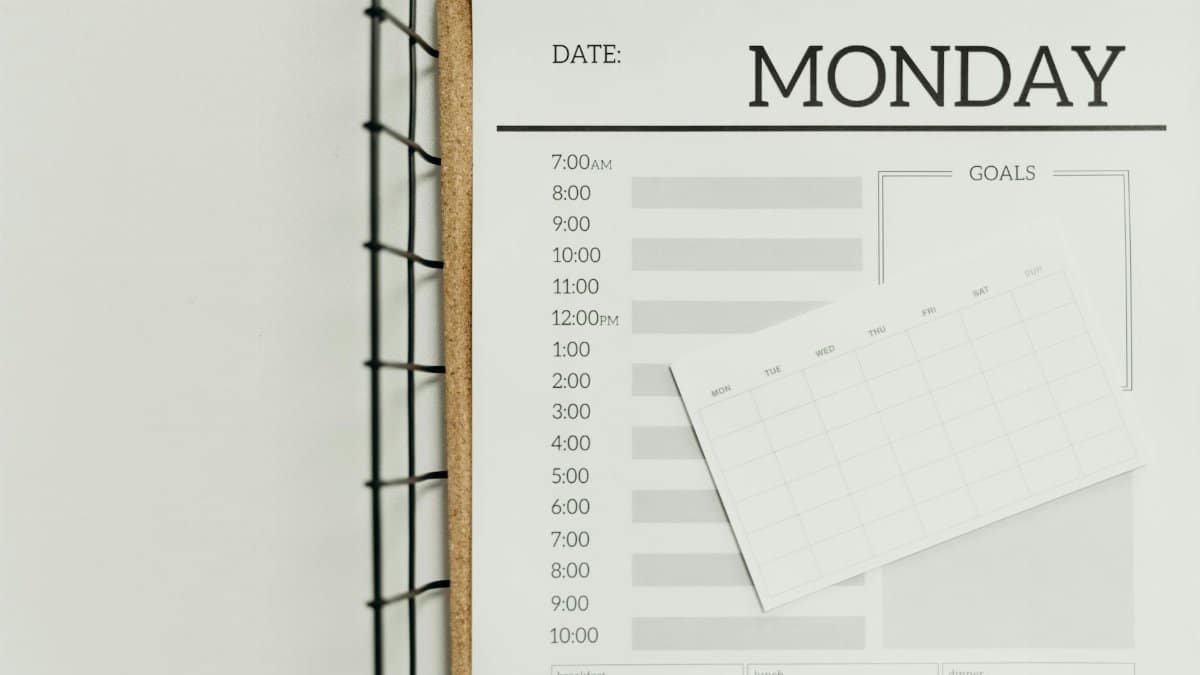
Busy parents are ditching the chaos. A Pew Research Center survey shows 56% of working mothers feel overwhelmed by family logistics without structure. Enter the daily family schedule: a simple blueprint that’s transforming households nationwide. Families using one report smoother transitions from work to homework to bedtime, cutting arguments by half according to child psychologists. This guide breaks it down step by step for real results.
Start with a Family Audit

Pinpoint pain points first. Track a typical week: note wake-up times, school drop-offs, meals, extracurriculars and bedtimes. One mom in Chicago discovered her kids’ soccer practice clashed with dinner prep, sparking daily fights. List must-haves like meals and sleep—aim for 9-11 hours for kids under 12, per CDC guidelines. Skip the fluff. This audit takes 15 minutes but saves hours later.
Prioritize Core Blocks

Divide the day into essentials. Mornings: hygiene, breakfast, school prep. Afternoons: homework, snacks, play. Evenings: family dinner, wind-down. Experts at the American Academy of Pediatrics stress routines build security. Assign slots: 6-7 a.m. wake-up, 5-6 p.m. homework. Keep it to five key blocks to avoid overload.
Build Realistic Time Slots

No one sticks to rigid clocks. Use 30-60 minute chunks with buffers. Dad commutes 45 minutes? Pad it. Kids need 15 minutes to transition from bus to books. Tools like Google Calendar sync across devices. Test for a week: if dinner runs late three nights, shift it 15 minutes. Flexibility prevents burnout.
Get Everyone On Board

Family buy-in is non-negotiable. Hold a 20-minute meeting. Let teens pick evening free time; toddlers choose story topics. Post the schedule on the fridge in colors—blue for school, green for fun. A Texas family turned theirs into a game: stickers for completed tasks. Resistance fades when kids own it.
Leverage Free Tools

Ditch paper chaos. Apps like Cozi or TimeTree offer shared calendars with reminders. Printables from sites like Understood.org provide kid-friendly templates. Set phone alarms for transitions. One father synced his with Alexa for voice check-ins. Cost: zero for basics. Pro tip: color-code by person.
Master Morning Momentum

Mornings set the tone. Wake 30 minutes early for quiet coffee. Kids dress and eat in 45 minutes max. Prep lunches night before. Play upbeat music to energize. A study-backed hack: lay out clothes ahead reduces decision fatigue. Families nailing this report zero tardies.
Optimize Afternoons and Homework

Post-school slump hits hard. Snack first, then 45 minutes homework with a 10-minute break. No screens until done. Quiet zone for focus. Parents supervise loosely—model it by tackling your tasks nearby. This builds independence without nagging.
Make Evenings Connect

Dinner at 6 p.m.: device-free zone. Share one high and low from the day. Follow with 30 minutes family time—board games or walks. Bedtime ritual: bath, books, lights out by 8:30 for young ones. This recharges bonds frayed by day rushes.
Incorporate Flexibility and Fun

Life throws curveballs—sick days, playdates. Build 20% wiggle room. Friday “free nights” reward adherence. Track wins weekly: pizza for perfect weeks. Adjust quarterly as kids grow or jobs shift. Stagnant schedules fail; evolving ones thrive.
Avoid These Traps

Overscheduling kills it. Cap extracurriculars at two per kid. Ignore guilt over imperfection—80% compliance beats none. Dads, step up: share equally. Track stress levels; if rising, simplify. One common flop: all-or-nothing mindset. Start small, scale up.
Implementing a daily family schedule isn’t magic, but it delivers. Families like the Patels in Florida went from nightly meltdowns to peaceful evenings in two weeks. Print this, tweak it, post it. Your home runs better structured. Chaos optional.

Natasha is the heart of our exploration into conscious connection. Applying principles from multiple counseling courses in her own life, she guides you to cultivate stronger, more joyful bonds.
Disclaimer
The content on this post is for informational purposes only. It is not intended as a substitute for professional health or financial advice. Always seek the guidance of a qualified professional with any questions you may have regarding your health or finances. All information is provided by FulfilledHumans.com (a brand of EgoEase LLC) and is not guaranteed to be complete, accurate, or reliable.