
Millions of Americans lace up for daily walks, but a shocking 60% suffer foot pain from poor shoe choices, according to podiatry experts. Mastering how to choose walking shoes could prevent blisters, shin splints and worse. With walking booming as a low-impact fitness trend, getting this right means more miles without misery. Podiatrists say the difference lies in fit, function and features tailored to your stride.
Know Your Foot Type First

Foot shape dictates shoe success. High arches need more cushioning to absorb shock. Flat feet demand stability to avoid overpronation, where ankles roll inward. Neutral feet fall in between. Visit a specialty running store for a gait analysis. Wet your feet and step on paper to see your print: full imprint signals flat feet; half means high arches. This simple test guides your pick. Experts at the American Podiatric Medical Association stress matching shoes to biomechanics for injury prevention.
Prioritize Cushioning Levels

Not all walks are equal. Daily neighborhood strolls suit moderate cushioning for comfort. Long hikes call for maximal padding to fight fatigue. EVA foam midsoles offer bounce-back energy. Gel inserts target heel strikes. Test by pressing the midsole: it should compress slightly but rebound fast. Avoid rock-hard soles that jar joints. Research from the American Academy of Orthopaedic Surgeons links ample cushioning to reduced knee stress in walkers.
Master the Perfect Fit

Shoes should feel snug, not tight. Thumb-width space at the toe prevents blisters. Wider toe boxes let toes splay naturally. Try on late afternoon when feet swell most. Wear walking socks for accuracy. Flex your foot: no heel slippage, no pinching. Brands like Brooks and Hoka excel here. Ditch shoes that rub after 10 minutes. Podiatrists report half of pain stems from fit fails.
Heel-to-Toe Drop Explained
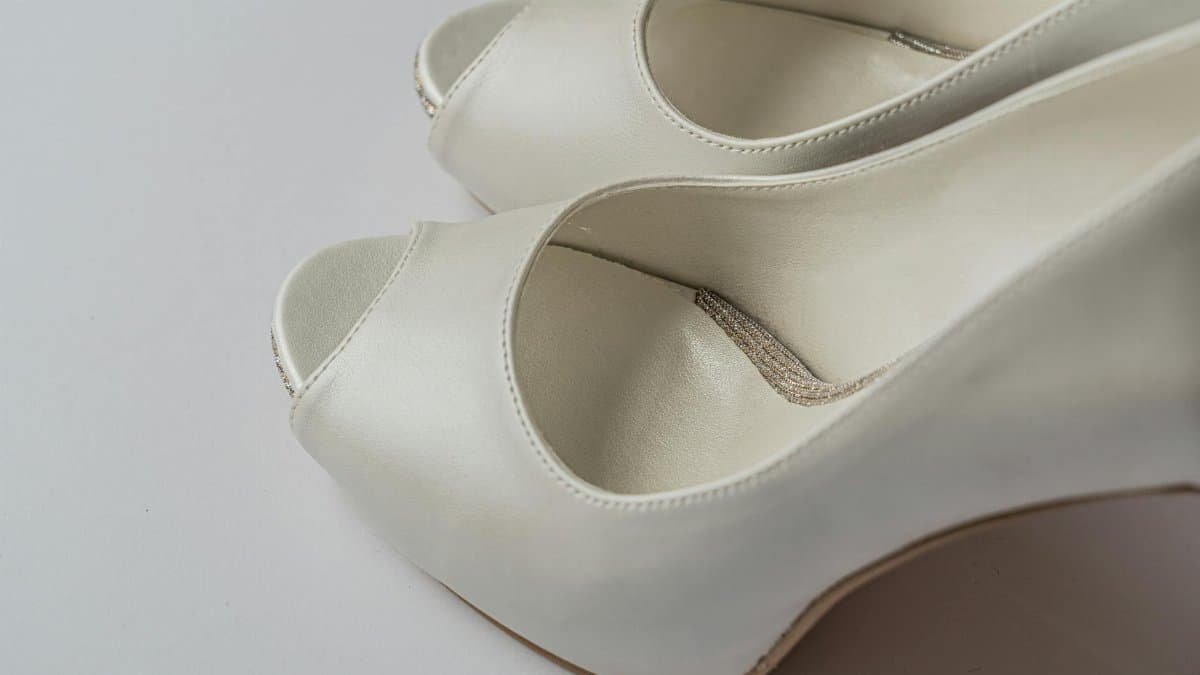
Drop measures heel height over toes, from zero to 12 millimeters. Low drop mimics barefoot for natural gait. Higher drop eases Achilles strain on beginners. Walkers averaging 5,000 steps daily thrive on 8-10mm drops. Check labels or measure. Transition slowly to avoid calf pulls. Studies show mismatched drops spike injury rates by 20%.
Material Choices That Last
Breathable mesh uppers wick sweat and flex with movement. Leather adds durability but less ventilation. Rubber outsoles grip wet pavement without wear. Seamless interiors cut friction. Waterproof Gore-Tex suits rainy routes. Skip cheap synthetics that crack fast. Quality pays off: good pairs endure 300-500 miles.
Stability for Pronators
Overpronators need medial posts or firm midsoles to steady strides. Motion-control shoes guide feet straight. Test by walking on a treadmill: excessive inward roll demands these. Neutral shoes suit straight walkers. Brooks Addiction and Asics Gel-Kayano lead this category. Ignoring stability invites plantar fasciitis.
When to Replace Your Pair

Shoes die quietly. Worn treads lose traction. Creased midsoles signal collapse. Track mileage with apps. Most last 400 miles. Heel counters that flop mean time’s up. Fresh shoes restore bounce and alignment. Delaying replacement doubles injury odds, per sports medicine data.
Top Picks for 2023 Walkers
Hoka Bondi 8 delivers plush clouds for all-day comfort. New Balance 1080v13 balances cushion and speed. Saucony Guide 16 fights pronation smartly. On Cloud 5 offers quirky bounce. Budget option: Skechers Go Walk. Read user reviews on REI or Dick’s Sporting Goods. Test multiple pairs before committing.
Avoid These Rookie Errors
Copping sneakers for walking ignores arch support. Fashion over function spells doom. Skipping break-in periods causes hotspots. Buying online sans returns risks fit flops. Women often pick men’s widths for better toe room. Listen to your feet, not trends. Podiatrists see these pitfalls daily.
Choosing walking shoes smartly transforms routines into pain-free habits. Consult a pro for custom advice. Your next stride awaits.By Dr. Christoph Weber

As an education professional with a background in Biology and Physics, Dr. Christoph Weber is the analytical heart of Fulfilled Humans. He ensures every piece of content is insightful and grounded in credible knowledge.
Disclaimer
The content on this post is for informational purposes only. It is not intended as a substitute for professional health or financial advice. Always seek the guidance of a qualified professional with any questions you may have regarding your health or finances. All information is provided by FulfilledHumans.com (a brand of EgoEase LLC) and is not guaranteed to be complete, accurate, or reliable.