

A recent Pew Research Center survey revealed that nearly 25 percent of American adults read zero books over the past year, down from previous decades yet stark against our screen-saturated lives.Pew Research Center. Screens dominate attention spans. Emails pile up. Social feeds scroll endlessly. Still, countless middle-aged professionals chase ways to build reading habit. They stack books by bedsides or download apps promising transformation. The pull persists because reading delivers what algorithms rarely do: quiet focus, fresh perspectives, empathy across divides. In an era of fractured attention, reclaiming this skill feels urgent. Not as a chore, but a quiet rebellion.
Why Habits Form – or Fail – in Adulthood
Adults rebuild routines amid packed schedules. Jobs demand constant input. Families pull in every direction. Neuroscientists note that habit loops rely on cues, routines, and rewards, a cycle first mapped by researchers at University College London.UCL study on habits. For reading, the cue might be evening lamplight. The routine: ten pages before sleep. The reward: that satisfying chapter close.
Consider a sales manager in Chicago. He tried audiobooks during commutes. Distractions won. Then he switched tactics. Placed a novel on his dashboard. Each red light prompted a page. Small wins stacked. Within weeks, pages turned into chapters. Failures happen too. Grand plans crumble without triggers. The key lies in embedding reading into existing rhythms, not inventing new ones from scratch.
Start with Micro-Commitments
Grand vows to devour 50 books yearly intimidate. They set up defeat. Instead, micro-commitments build momentum. Commit to five minutes daily. Or one page per meal. Psychologists call this the “tiny habits” method, proven to stick where willpower falters.
Sarah, a teacher from Denver, shared her shift online recently. Overwhelmed by parenting and grading, she began reading one poem during coffee breaks. No pressure for novels. Poems sparked curiosity. Soon, she eyed short stories. “It snowballed,” she noted. Communities echo this. Forums buzz with similar tales: brief dips evolving into hours. Science backs it. A Proceedings of the National Academy of Sciences study linked even modest reading – 30 minutes daily – to a 20 percent lower mortality risk over 12 years, outpacing other leisure activities.PNAS study on reading and longevity.
Craft an Inviting Reading Nook
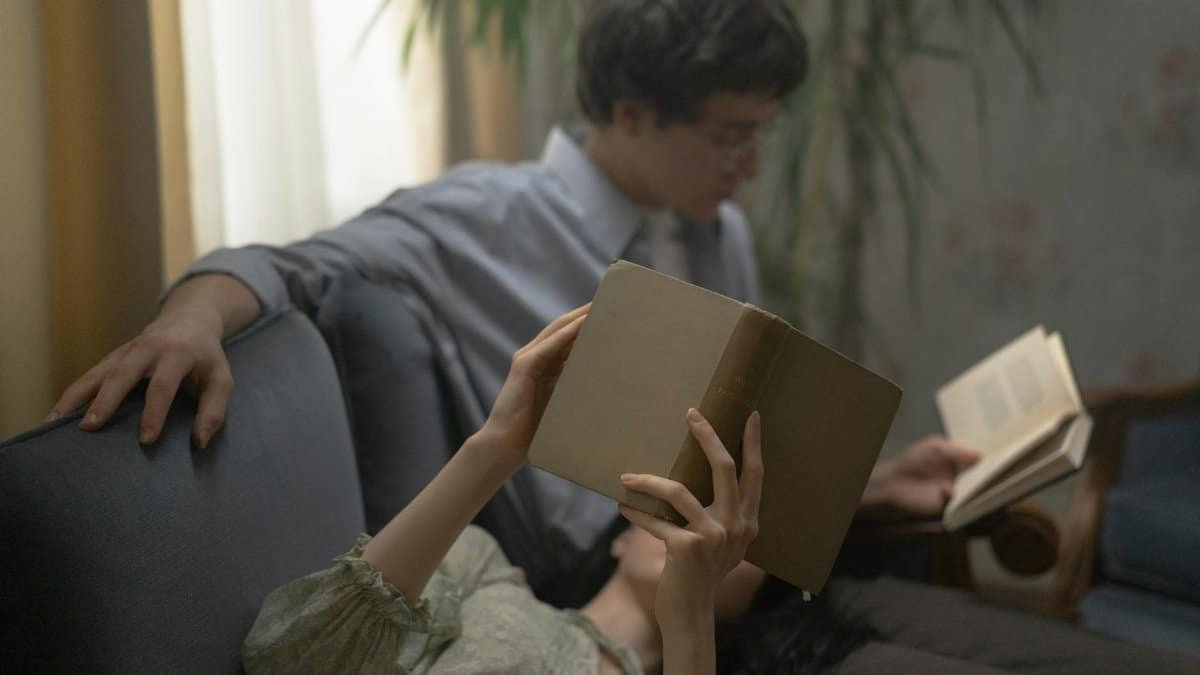
Environment shapes behavior. Cluttered desks invite scrolling. Cozy corners beckon books. Rearrange a shelf. Add soft lighting. Stock titles that intrigue, not guilt-trip classics.
In suburban libraries across Ohio, patrons linger in armchairs by windows. Sunlight filters through. Coffee aromas mingle with pages. One regular described it: “Here, phones feel rude.” Replicate at home. Ditch harsh fluorescents. Opt for warm bulbs. Position away from TV hum. These cues signal brain: time to unwind, absorb.
Select Books That Resonate

Mismatch kills motivation. Dense tomes gather dust. Pick genres that grip. Mysteries for thrill-seekers. Memoirs for introspectors. Bestsellers evolve tastes over time.
Librarians track trends. Middle-aged borrowers favor practical nonfiction: productivity hacks, history retold vividly. Start with what entertains. Yuval Noah Harari’s sweeping narratives hook history skeptics. Or Ann Patchett’s novels, rich in relationships. Experiment. Swap mid-book if bored. The goal: pleasure first, habit second.
Integrate Reading into Daily Rituals
Life resists carve-outs. Weave reading in. Swap podcast commutes for audiobooks. Read recipes aloud while cooking. Pair with walks: phone narrates as feet move.
A retiree in Florida layered it masterfully. Mornings: news articles over oatmeal. Evenings: fiction before bed. No extra time carved. National Institute on Aging research underscores benefits for cognitive health in later years. Regular reading combats decline, sharpens recall.National Institute on Aging. Make it seamless. Habits thrive on autopilot.
Tame Digital Distractions

Notifications sabotage. Phones buzz. Tabs multiply. Tools help. Apps like Freedom block sites during set hours. Or use grayscale mode – colors lose pull.
One executive confessed: “Do Not Disturb transformed nights.” Reading flowed uninterrupted. Track patterns. Evening doom-scrolls? Charge phones across rooms. Replace with books. Studies show multitasking shreds comprehension. Single-task reading rebuilds focus muscles.
Leverage Accountability Partners

Solo efforts waver. Buddies bolster. Join clubs. Text friends progress. Apps like Goodreads log reads, spark chats.
Virtual groups proliferate. Weekly check-ins via Zoom. “What hooked you this chapter?” Shared enthusiasm fuels. A marketing pro in Atlanta found her stride through a neighborhood circle. Strangers became cheerleaders. Books discussed deepened bonds. Isolation fades. Persistence grows.
Track Wins Without Obsession
Metrics motivate, briefly. Log pages read. Apps chart streaks. Celebrate milestones: first book finished, treat to lattes.
Avoid rigidity. Life interrupts. Miss a day? Resume kindly. Reflection matters more than raw counts. Journal: What resonated? Why? This cements lessons. Over months, patterns emerge. Reading shifts from task to treasure.
Embrace Audiobooks and Hybrids
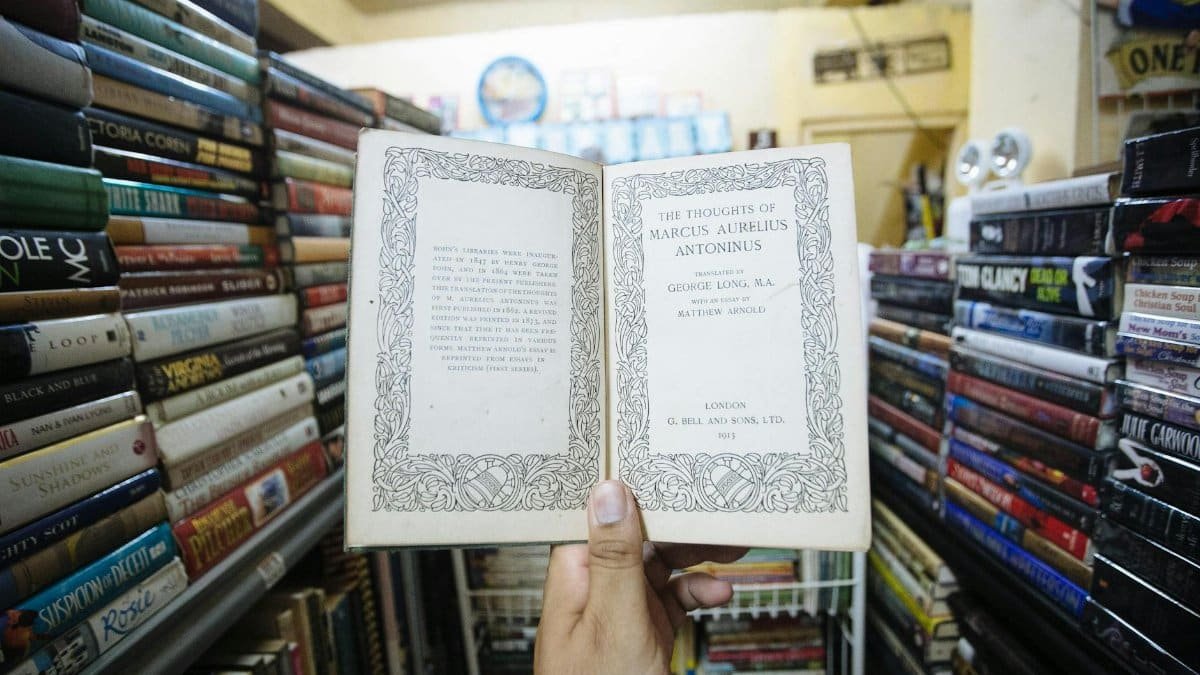
Not all reading means paper. Audiobooks count fully. Narrators add drama. Ideal for drives, chores.
Platforms like Audible curate. Speed controls match paces. Hybrids work: listen while following text. Eyes and ears engage doubly. Skeptics convert. “Feels like cheating,” one admitted, “but I finished three novels last month.” Data affirms: comprehension rivals print for many.
Handle Slumps Gracefully
Plateaus hit everyone. Motivation dips. Solutions vary. Reread favorites. Try graphic novels. Short story collections refresh.
Burnout signals mismatch. Pause. Return lighter. A writer in Seattle rode slumps by switching genres. Thrillers reignited joy. Patience pays. Habits endure ebbs.
Sustain for the Long Haul
Lifelong means evolution. Tastes change. Careers shift. Adapt. Build reading habit as flexible ally.
Decades in, readers report richer inner lives. Conversations deepen. Stress eases. In a noisy world, this quiet practice anchors. Start today. One page turns the tide.
A certified hypnotherapist, Reiki practitioner, sound healer, and MBCT trainer, Christopher guides our journey into the spiritual dimension, helping you tap into a deeper sense of peace and awareness.
Disclaimer
The content on this post is for informational purposes only. It is not intended as a substitute for professional health or financial advice. Always seek the guidance of a qualified professional with any questions you may have regarding your health or finances. All information is provided by FulfilledHumans.com (a brand of EgoEase LLC) and is not guaranteed to be complete, accurate, or reliable.