

A recent report from the National Institutes of Health underscores a stark reality: low back pain strikes eight out of 10 adults at some point, and for millions of daily commuters, the culprit lurks right under them in the form of car seat back pain.NIAMS Back Pain Overview. Long drives turn routine trips into ordeals. Shoulders tense. Spines ache. Yet simple tweaks to your driving position can reclaim comfort and prevent nagging discomfort. This guide draws from ergonomic experts and real-world drivers to show how. Adjustments matter most during that morning commute when fatigue sets in early. Posture slips. Pain builds. But armed with precise steps, anyone can realign their setup for lasting relief.
The Hidden Toll of Poor Driving Posture

Rush-hour traffic reveals the truth. Bodies slump forward. Necks crane toward dashboards. Over time, this misalignment strains lumbar muscles and compresses spinal discs. Chiropractors see it daily. Patients arrive rubbing lower backs after hours behind the wheel.
Consider a typical scenario. A sales representative logs 50,000 miles yearly. His seat sits too low. Legs dangle awkwardly. By midday, sharp twinges radiate up his spine. “It starts as a dull throb,” he recalls, “then dominates every turn.”
Ergonomics research backs this up. The human spine thrives in its natural S-curve. Slouched seats flatten it. Pressure points multiply. A study from Cornell University highlights how even 20 minutes in a suboptimal position spikes muscle activity by 30 percent.Cornell Ergonomics Notes. Ignore it, and chronic issues loom.
Why Seat Height Sets the Foundation

Everything begins with elevation. Too low, and hips sink below knees. This forces the pelvis to tilt backward. The spine loses support. Pain follows swiftly.
Raise the seat until thighs run parallel to the floor. Knees should bend slightly, about 120 degrees. Feet plant flat on pedals without stretching. Test it. Glide from brake to accelerator. No lunge required.
One driver shared online how this change transformed her routine. “My thighs used to go numb after 45 minutes,” she posted anonymously. “Now, I forget I’m driving.” Subtle, yet profound. Hip flexors relax. Blood flows freely. The lower back breathes.
Mastering Lumbar Support for Spinal Alignment
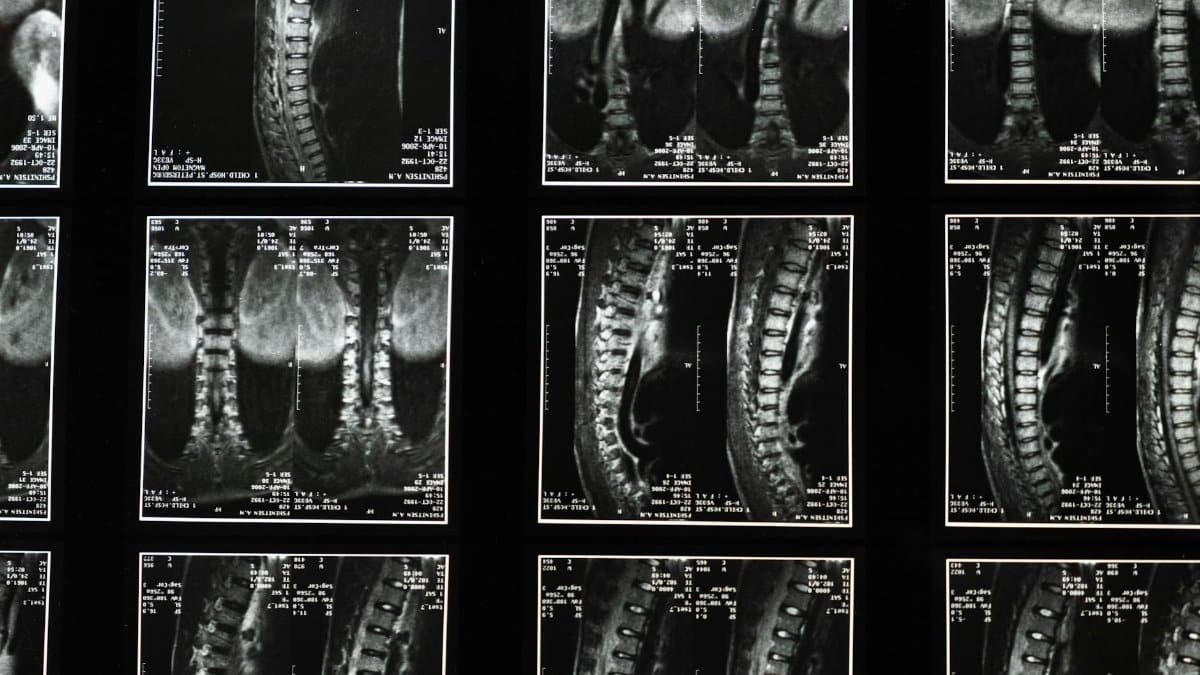
Lumbar curves demand attention. Most seats offer adjustable pads or knobs. Dial them forward until they nestle the small of your back. Feel the gentle push. It restores that vital inward arch.
Without it, drivers round forward. Vertebrae grind. Discs bulge under uneven load. Orthopedic specialists emphasize this step. Proper lumbar fill reduces intradiscal pressure by up to 50 percent, per guidelines from the American Academy of Orthopaedic Surgeons.AAOS Spine Health.
Experiment in a quiet lot. Adjust incrementally. Sit back fully. The support should contact from beltline to shoulder blades midpoint. Too firm? Dial back slightly. Comfort guides the way.
Finding the Right Recline Angle

Upright feels disciplined. But perfection lies in slight recline. Aim for 100 to 110 degrees from vertical. This eases shear forces on discs. Shoulders drop naturally.
Lean too far back, and arms strain to reach the wheel. Too straight, and chest muscles tighten. Balance prevails. A quick check: Wrists should rest atop the wheel’s top without shrugging.
Visualize a long-haul trucker. He perfected this angle over decades. “Recline saved my back,” he says plainly. Science agrees. Biomechanical models show optimal recline cuts paraspinal muscle effort significantly.
Headrest Positioning to Guard Against Whiplash

Often overlooked, the headrest anchors neck safety. Slide it up so the back cradles your skull’s base. Top edge aligns with ear tops. Tilt forward slightly if adjustable.
This setup absorbs rear impacts. It also prevents forward head posture during stops. Chin juts. Neck strains. Pain creeps into upper back.
Safety standards from the National Highway Traffic Safety Administration stress precise height.NHTSA Car Seat Guidelines. Yet comfort benefits shine brightest on highways. Eyes stay level. Fatigue wanes.
Steering Wheel and Pedal Reach: The Reach Equation
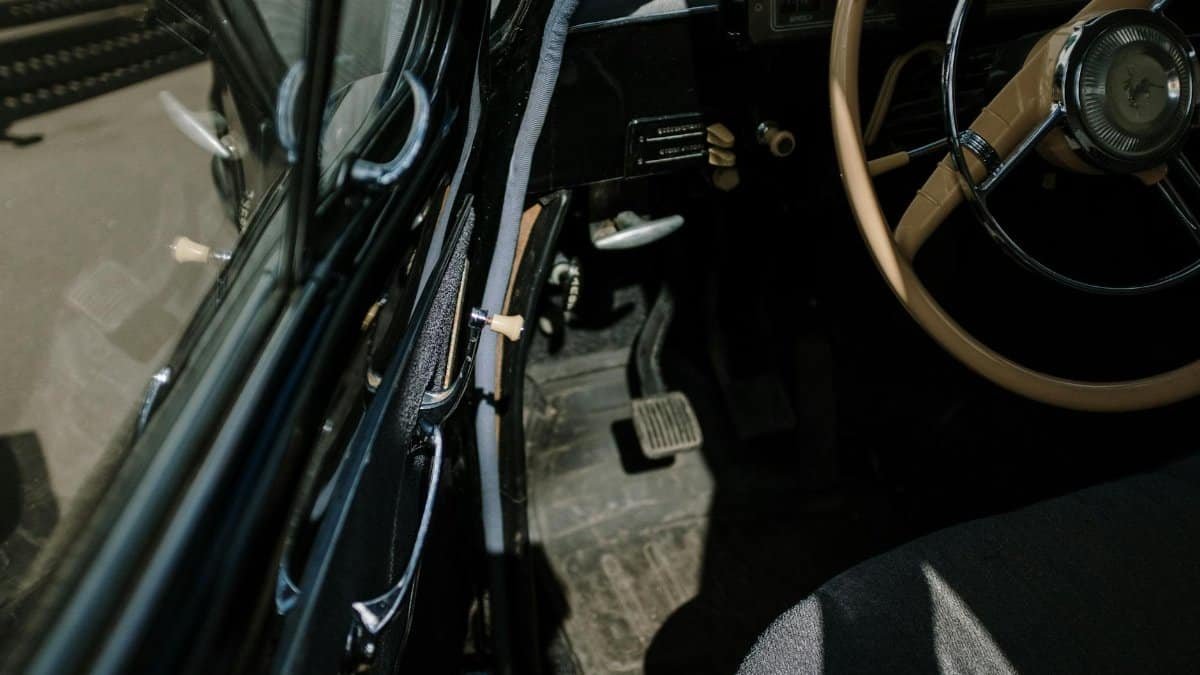
Arms extended fully create tension. Pull the wheel close enough for elbows to bend 120 degrees. Hands at 9 and 3 o’clock. No hunching.
Pedals demand equal care. Knees avoid locking straight. For shorter drivers, seat risers or pedal extenders help. Taller frames benefit from telescoping wheels.
A marketing executive tested this recently. “I scooted the seat back two inches,” he noted. “Suddenly, my shoulders unclenched.” Circulation improves. Reflexes sharpen. The cockpit fits the body.
Integrating Mirrors for Effortless Glances

Blind spots multiply errors. Adjust side mirrors outward until you barely see your car’s flank. Rearview centers on the back glass.
Lean left for driver’s mirror. Right for passenger. This wide-angle view reduces neck twists. Constant craning invites trapezius knots.
Pro drivers swear by it. “Mirrors right, and your whole posture flows,” one veteran explains. Ergonomic audits confirm: Proper setup slashes head turns by 25 percent.
Building Habits Beyond the Initial Tweaks

Adjustments fade without maintenance. Every new car demands recalibration. Weight shifts alter dynamics. Pregnancy or injury? Readjust promptly.
Incorporate stretches at lights. Shoulder rolls. Seated cat-cow. Hydrate to plump discs. Alternate foot positions on long trips.
Public forums buzz with tips like these. One account described a “five-minute ritual” before drives. Relief lasted weeks. Consistency turns fixes into prevention.
Signs It’s Time for Professional Input
Tweaks help most. But persistent pain signals more. Radiating numbness. Bowel changes. Unyielding stiffness. See a doctor.
The Mayo Clinic advises imaging if symptoms endure beyond six weeks.Mayo Clinic Back Pain Treatment. Physical therapy refines posture. Custom orthotics stabilize.
Early action averts surgery. Millions sidestep escalation yearly through vigilance.
Tech Aids and Aftermarket Solutions

Modern cars boast memory seats. Program favorites. Cushion overlays add lumbar bolstering. Heated elements soothe tense muscles.
Affordable lumbar rolls fit any budget. Wedge cushions elevate pelvises. Test drive before buying. Comfort rules.
Enthusiasts rave about portable massagers. Vibration eases spasms mid-commute. Pair with adjustments for synergy.
A Road Ahead Free of Discomfort

Daily commutes need not exact a toll. Precise car seat adjustments banish back pain. Bodies realign. Drives refresh.
Start today. Park. Tinker. Feel the shift. Health rewards follow. Millions drive pain-free already. Join them. Your spine will thank you.

As an education professional with a background in Biology and Physics, Dr. Christoph Weber is the analytical heart of Fulfilled Humans. He ensures every piece of content is insightful and grounded in credible knowledge.
Disclaimer
The content on this post is for informational purposes only. It is not intended as a substitute for professional health or financial advice. Always seek the guidance of a qualified professional with any questions you may have regarding your health or finances. All information is provided by FulfilledHumans.com (a brand of EgoEase LLC) and is not guaranteed to be complete, accurate, or reliable.