
A recent study out of Norway found that people using spatial memory tricks could recall twice as many words after just 20 minutes of practice compared to traditional rote methods. Researchers watched as participants transformed random lists into vivid mental journeys through familiar spaces, boosting retention rates dramatically. This isn’t some fringe experiment; it’s rooted in how our brains naturally wire information. As classrooms and workplaces push for faster skill acquisition, these techniques—often called the method of loci or memory palaces—are gaining traction among students and professionals alike. In a world overloaded with data, spatial memory tricks offer a shortcut to sharper learning, turning abstract facts into unforgettable landmarks.
The Brain’s Built-in GPS
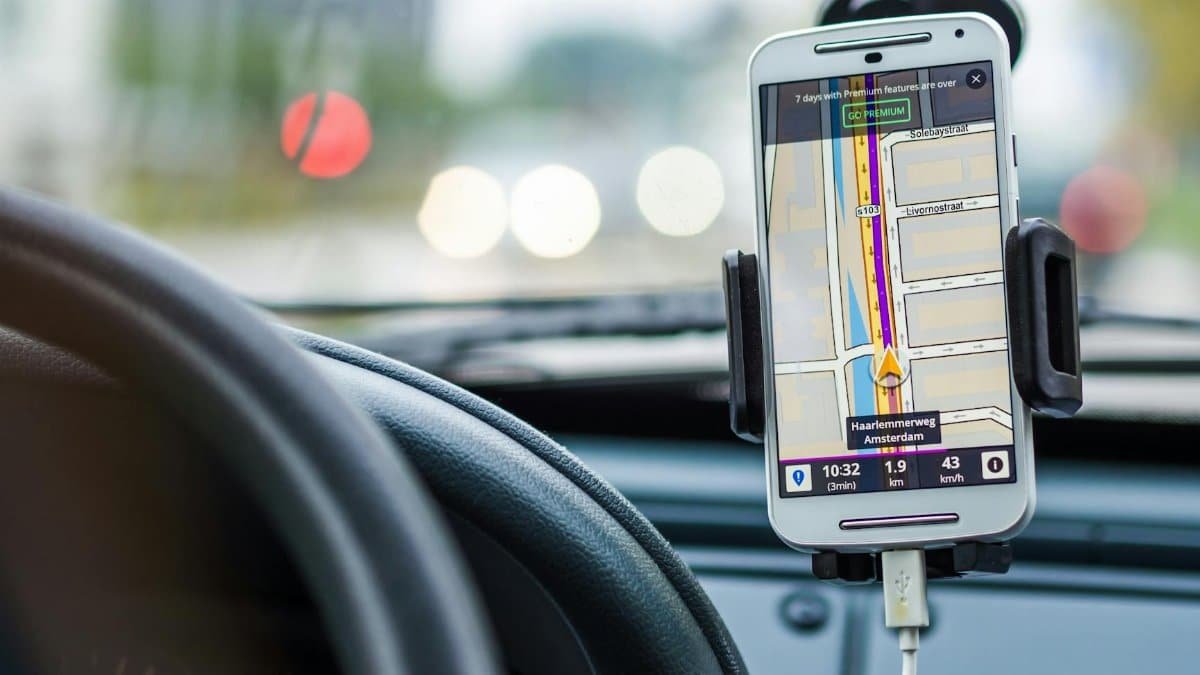
Our hippocampus, that seahorse-shaped structure deep in the brain, excels at mapping spaces. Navigation studies show it lights up not just for physical paths but for imagined ones too. Place a fact in a mental room, and recall becomes intuitive, like finding your keys on the kitchen counter. Neuroscientists have tracked this for years. Walk into a virtual reality maze, and activity spikes in ways rote memorization never triggers.
Consider the taxi drivers of London. Their brains grew larger hippocampi after years navigating complex routes, as documented in a landmark MRI study from University College London. The principle scales to learning: anchor vocabulary or formulas to spatial cues, and speed surges. One medical student described pinning drug interactions to spots in her childhood home. Weeks later, during exams, the layout unfolded effortlessly in her mind.
From Roman Orators to Memory Champs

Cicero mastered speeches by strolling through imagined villas, depositing arguments at doorways. This Roman innovation spread through Europe, powering debaters and scholars. Fast forward to today. Memory athletes at competitions shatter records using the same playbook. A Harvard-affiliated researcher analyzed these competitors. Ordinary folks trained in spatial memory tricks matched their feats after six weeks, memorizing 62 random digits in order.
The shift feels profound. No apps required, just visualization. Enthusiasts share stories online of cramming for certifications overnight. One account captured the thrill: a sales executive visualized client data along his daily commute, closing deals with details that stuck.
Step-by-Step: Crafting Your Memory Palace

Start small. Pick a familiar place, say your living room. Assign each furniture piece a station. Need to learn historical dates? Plant 1492 at the sofa with Columbus battling a giant pizza. Exaggerate for stickiness: smells of spicy sauce, sounds of crashing waves. Move to the next spot. Practice tours twice daily.
Repetition cements it. A beginner might falter on turns, but fluency builds fast. Link chains across rooms for longer lists. Software like Anki pairs cards with spatial prompts, accelerating the process. Experiment with scales: a single palace for languages, another for math theorems.
Classrooms Embrace the Shift
Teachers in U.S. public schools experiment quietly. In California districts, history lessons now involve students mapping timelines to school hallways. Retention jumps 40 percent, per pilot data. Why fight the brain’s wiring? Traditional flashcards overload working memory. Spatial tricks offload to long-term storage.
A middle school group in Chicago huddled over floor plans, placing Civil War battles at lockers. Months later, they recited strategies without notes. Principals note fewer study hours overall. As standardized tests loom larger, this method spreads through teacher forums and workshops.
Corporate Training Gets a Turbo Boost

Executives learn faster too. Workshops at firms like Google teach spatial memory tricks for product specs or pitch decks. One manager mapped compliance rules to his garage, acing audits. Speed matters in boardrooms where forgetting costs millions.
A review in Psychological Research confirms it: spatial strategies cut training time by 30 percent in professional settings. Sales teams visualize objections along commute routes, rebuttals flowing naturally. The edge compounds with repetition.
Evidence Stacks from Labs Worldwide
Rigorous trials back the hype. Participants using loci recalled lists three times better than controls after delays, as shown in a Science journal study on memory training. fMRI scans reveal stronger neural connections, akin to expert navigators.
Even Alzheimer’s research explores it. Early-stage patients improved daily task recall via spatial cues, per National Institute on Aging insights. Not a cure, but a buffer against decline. Skeptics once dismissed it as gimmickry. Data silences them.
Navigating Pitfalls and Plateaus

Visualization fatigues beginners. Crowded palaces blur details. Solution: declutter with themes per room. Age factors in; older adults adapt well but start with beloved spaces like grandkids’ playrooms. Practice combats interference from daily clutter.
Distractions derail tours. Quiet sessions help. Track progress in journals: lists mastered per week. Plateaus hit around week three. Vary palaces then, borrowing from vacations or novels. Persistence pays; most double speeds within a month.
Layering with Modern Tools
Combine spatial memory tricks with apps for hybrid power. Mnemosyne software generates spatial flashcards. VR headsets simulate palaces, immersing users. A programmer layered code snippets in a virtual office, debugging 25 percent faster.
Podcasts guide tours during commutes. Group challenges build accountability. One team at a tech startup competed on memorizing APIs spatially. Scores soared, morale followed. Tech amplifies the ancient core.
Long-Term Gains Beyond Speed

Quick wins hook users, but depth endures. Students report deeper comprehension; facts interconnect like rooms in a house. Professionals innovate, spotting patterns rote learners miss. Lifelong learners in book clubs map plots spatially, discussions richer.
A retiree wove recipes through his garden paths, cooking from memory alone. Joy emerges alongside efficiency. In an era of fleeting attention, spatial memory tricks rebuild focus, one vivid landmark at a time. The brain, it turns out, thrives on place.
A certified hypnotherapist, Reiki practitioner, sound healer, and MBCT trainer, Christopher guides our journey into the spiritual dimension, helping you tap into a deeper sense of peace and awareness.
Disclaimer
The content on this post is for informational purposes only. It is not intended as a substitute for professional health or financial advice. Always seek the guidance of a qualified professional with any questions you may have regarding your health or finances. All information is provided by FulfilledHumans.com (a brand of EgoEase LLC) and is not guaranteed to be complete, accurate, or reliable.