
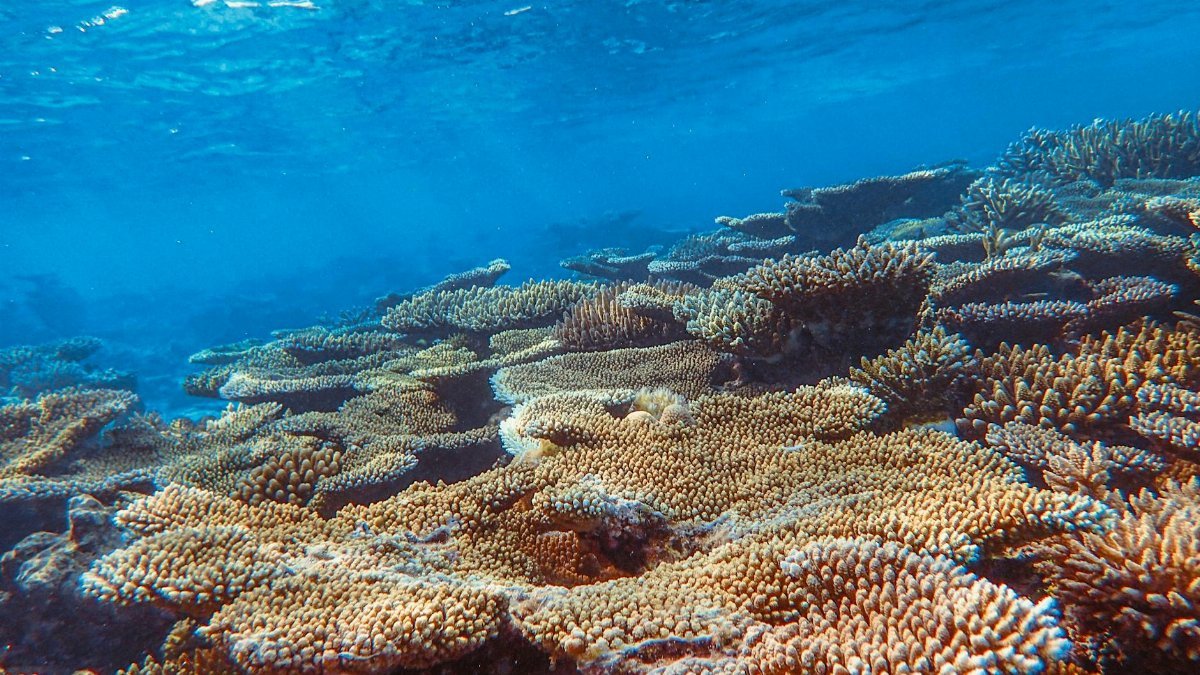
Marine ecosystems teeter on the brink, battered by warming waters, pollution, and overfishing. Coral reefs bleach, kelp forests vanish, fish stocks dwindle. Yet amid this crisis, ocean permaculture restoration emerges as a beacon. Practitioners draw from land-based permaculture—designing diverse, self-sustaining systems—to revive the sea. Seaweed farms stacked with bivalves and urchins create layered habitats. These efforts not only sequester carbon but rebuild biodiversity. In places like California and Tasmania, early projects show fish returning, water quality improving. Scientists and farmers alike see potential for scalable change. Could this be the blueprint for healthier oceans?
Permaculture Principles Go Underwater
Ocean permaculture borrows core ideas from its terrestrial roots: observe, design with nature, stack functions. On land, that means fruit trees above nitrogen-fixing shrubs. Beneath the waves, it translates to kelp canopies sheltering shellfish below. Pioneers like Bren Smith in New York advocate “3D ocean farming,” where macroalgae capture sunlight while mussels filter plankton. This layering maximizes space and output.
Consider a typical setup. Tall kelp sways 50 feet up, its roots—holdfasts—stabilizing sediment. Urchin grazers keep blades clean. Beneath, oysters and clams purify water, removing nitrogen. Fish dart through the structure, finding refuge. No single crop dominates; diversity rules.
The Decline That Sparked Innovation
Kelp forests once thrived across temperate coasts, supporting otters, wolves, and commercial fisheries. Today, many have collapsed. Warmer seas trigger “urchin barrens,” vast underwater deserts where kelp fails to regrow. A NOAA factsheet details how these ecosystems, akin to rainforests, face existential threats from climate shifts.
Restoration demands more than replanting. Traditional methods falter against heatwaves. Ocean permaculture steps in with resilience baked in—polycultures buffer stresses. In Puget Sound, divers note juvenile salmon lingering longer in hybrid farms, hinting at broader revival.
Layered Farms as Biodiversity Engines
Picture a bustling underwater neighborhood. Kelp towers provide shade. Limpets scrape algae. Crabs scuttle across ropes strung with scallops. This isn’t random; it’s engineered harmony. Studies show such systems boost species counts by 200% over monocultures.
One diver off British Columbia shared a recent sighting: a pod of seals hunting amid restored kelp lines. “The water felt alive again,” he recounted in an online forum thread buzzing with similar tales. These pockets demonstrate how ocean permaculture restoration fosters trophic cascades, where top predators return and balance spreads.
Carbon Capture in the Deep Blue
Oceans absorb 25% of human CO2 emissions, but kelp accelerates the process. Fast-growing fronds sink biomass to the seafloor upon die-off, locking away carbon for centuries. A Science Advances study quantifies this potential: scaled seaweed cultivation could offset 20% of maritime shipping emissions alone.
Farmers harvest tops for food or fertilizer, letting sinks deepen naturally. In Maine, operations now export kelp products while nursing the seabed. Skeptics question permanence, but sinking experiments off Norway confirm viability.
Real-World Projects Taking Rootnn
Australia’s Great Southern Reef hosts trials where native seaweeds regenerate urchin-gnawed coasts. Divers plant spores on mesh frames, then introduce grazers. Within months, canopy closes. Similarly, California’s Kelp Forest Alliance deploys floating nurseries, restoring 100 acres since 2020.
“We’ve seen abalone populations triple,” notes a project lead. These efforts blend science and local knowledge, adapting to currents and nutrients. Funding from grants and seafood sales sustains them, proving economic viability.
Water Quality Wins
Runoff from farms chokes bays with nitrogen. Ocean permaculture counters this directly. Bivalves like mussels slurp excess nutrients, yielding harvestable protein. A single acre filters as much as 50 football fields of wetland.
In Long Island Sound, hybrid farms have cut algal blooms. Water clears. Seagrass rebounds below. FAO’s seaweed aquaculture report highlights global precedents, from China to Chile, where integrated systems purify at scale.
Overcoming Hurdles to Scale
Not all smooth sailing. Permitting lags in U.S. waters. Storms shred ropes. Markets for kelp remain niche. Yet innovators adapt: tougher hybrid strains, AI-monitored moorings.
Regulatory shifts help. The Biden administration eyes “ocean justice,” prioritizing coastal communities. Training programs equip fishers for new roles. Challenges persist, but momentum builds.
One forum post captured the tension: “Loving the fish returns, but insurance costs kill us.” Such voices push refinements, ensuring staying power.
Economic Ripples for Coastal Towns
Fishing villages grapple with empty nets. Ocean permaculture offers diversification. Kelp sells as biostimulant, biofuel precursor. Shellfish fetch premiums as sustainable.
In Alaska, Native cooperatives farm sugar kelp, generating jobs where salmon runs falter. Revenue funds restoration. A Pew report projects $1 billion industry by 2030, centered on restoration.
Global Lessons, Local Action
Indonesia’s seaweed farmers inspire with vast polycultures sustaining millions. Europe tests offshore wind-kelp hybrids. U.S. lags but learns fast.
Policy matters. Marine protected areas amplify farms. International treaties could standardize best practices.
A Healthier Ocean Tomorrow
Ocean permaculture restoration reframes the sea not as resource, but partner. Early metrics thrill: restored sites teem. Coral spawns nearby. Whales linger.
Scaling demands investment, but returns compound—in biodiversity, climate mitigation, human well-being. As one ecologist put it, “We’re not fixing the ocean. We’re coaxing it back to itself.” The evidence mounts. Time to dive in.

With a career spanning investment banking to private equity, Dominik brings a rare perspective on wealth. He explores how money can be a tool for personal freedom and positive impact, offering strategies for abundance that align with your values.
Disclaimer
The content on this post is for informational purposes only. It is not intended as a substitute for professional health or financial advice. Always seek the guidance of a qualified professional with any questions you may have regarding your health or finances. All information is provided by FulfilledHumans.com (a brand of EgoEase LLC) and is not guaranteed to be complete, accurate, or reliable.