
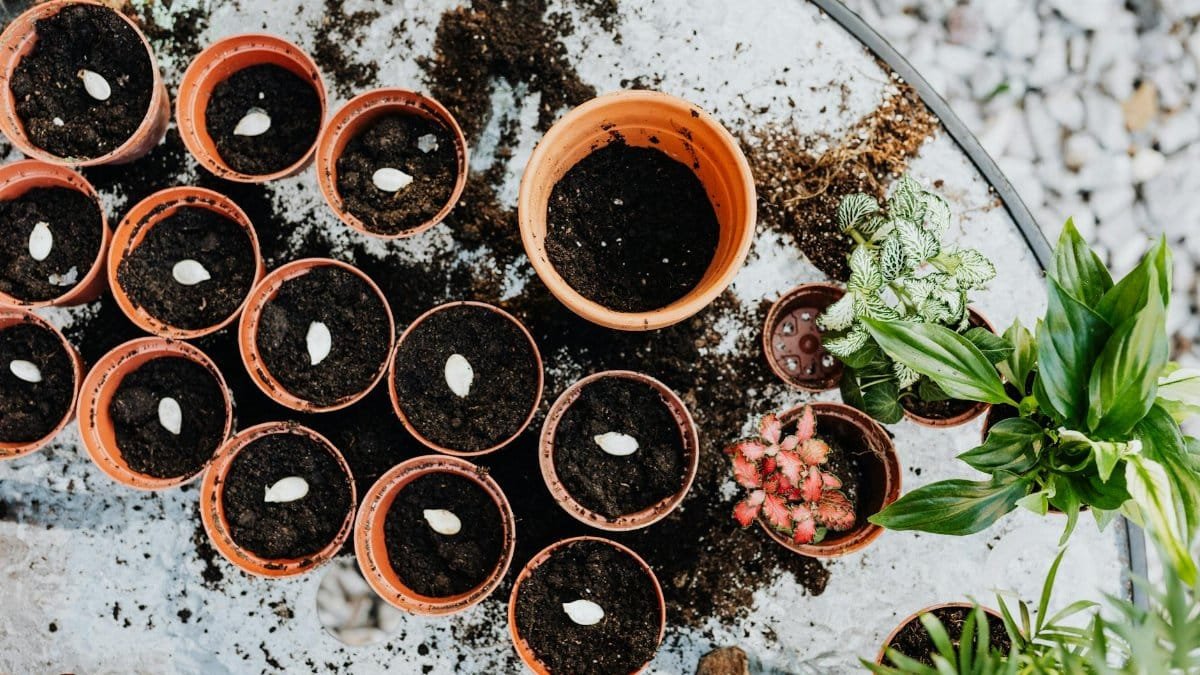
Over 300 public libraries and community centers across the U.S. now run local seed libraries, a 40% jump since 2020. These free seed-sharing hubs are fueling a backyard gardening boom amid rising food prices and climate worries. Gardeners borrow packets, grow crops, then return seeds from their harvest. It’s a simple swap turning novices into pros and neighborhoods into green zones.
What Exactly Is a Seed Library?

Seed libraries operate like book libraries, but for seeds. Patrons check out varieties suited to local climates—think heirloom tomatoes or drought-resistant kale. No fines, just the promise to save and donate seeds back. Started in the 1990s, they’ve exploded as a grassroots response to corporate seed dominance.
The Gardening Surge They Spark

Backyard plots jumped 25% during the pandemic, per National Geographic data. Local seed libraries make it cheap and easy. Borrowers save $50 to $100 yearly on seeds, perfect for tight budgets. Urban dwellers in places like Detroit and Seattle report bumper crops from borrowed beans and basil.
How to Join One Near You

Finding a spot is straightforward. Check your public library’s website or apps like Seed Libraries Worldwide. In Ohio, the Mansfield/Richland County Public Library pioneered the model in 2010. Borrowers log seeds digitally or on paper. Popular picks? Non-GMO heirlooms that thrive in U.S. zones 5 through 9.
Boosting Yields for Beginners

Novices love the trial-and-error freedom. “I failed with store seeds, but library ones adapted perfectly,” says Portland gardener Maria Lopez. Local varieties resist pests better, cutting chemical use. Studies from Cornell University show community-sourced seeds outperform big-box buys by 20% in germination rates.
Community Ties That Grow Stronger

These libraries knit neighborhoods. Events draw crowds for seed swaps and workshops. In California, Richmond Grows runs one that pairs elders with kids, passing down lore on okra and collards. It’s food security in action—participants harvest enough to share surplus at farmers markets.
Environmental Wins on the Plate

Biodiversity thrives. Seed libraries preserve rare strains lost to industrial farming. They slash shipping emissions since seeds stay regional. A NPR report highlights how they combat monocultures, bolstering pollinators and soil health nationwide.
Overcoming Common Hurdles

Seed viability worries some. Libraries combat this with viability tests and drying protocols. Low participation? Marketing via social media flips that. Legal snags over seed laws exist in a few states, but most treat them as donations, dodging patents.
Real Results from Real Gardens

In Asheville, North Carolina, the seed library helped 500 users plant victory gardens last year. Yields fed families and stocked pantries. One user grew 40 pounds of squash from a single packet. Metrics from the Seed Savers Exchange confirm: participants double their planting diversity.
Tips to Maximize Your Haul

Start small: three packets max. Label harvests clearly. Dry seeds on newspaper for a week. Store in cool, dark spots. Pair with compost for 30% better results. Libraries often offer calendars syncing sow dates to your zip code.
The Road Ahead for Seed Sharing

Expansion is rapid. Federal grants now fund library startups. Expect 500 more by 2025. As grocery costs climb 10% yearly, local seed libraries offer resilience. They’re not just about plants—they’re rebuilding self-reliance, one sprout at a time.

With a career spanning investment banking to private equity, Dominik brings a rare perspective on wealth. He explores how money can be a tool for personal freedom and positive impact, offering strategies for abundance that align with your values.
Disclaimer
The content on this post is for informational purposes only. It is not intended as a substitute for professional health or financial advice. Always seek the guidance of a qualified professional with any questions you may have regarding your health or finances. All information is provided by FulfilledHumans.com (a brand of EgoEase LLC) and is not guaranteed to be complete, accurate, or reliable.