
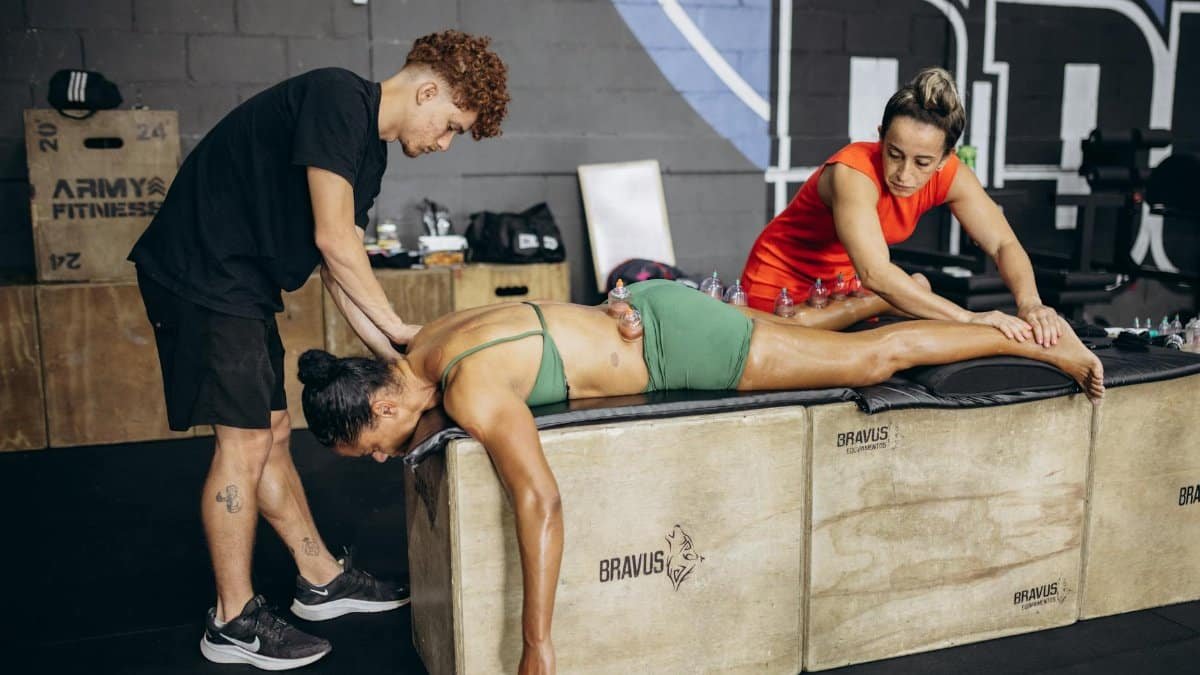
Athletes push their bodies to the limit, only to find recovery lagging behind. What if the secret weapon lies not in fancy supplements, but in the trillions of microbes living in the gut? Emerging science points to microbiome muscle recovery as a game-changer. These bacteria don’t just aid digestion. They influence inflammation, nutrient absorption, and even muscle repair after intense workouts. A runner in his forties might shave days off soreness by nurturing his gut flora. Gym enthusiasts tweaking diets with fermented foods report quicker bounces back. This hidden alliance between gut and muscle challenges old training wisdom. As workouts grow tougher in our busy lives, understanding this link could redefine performance for everyday fitness seekers.
The Gut-Muscle Connection Unraveled

Deep inside the body, a quiet conversation unfolds between the intestines and skeletal muscles. Researchers call it the gut-muscle axis. Bacteria in the microbiome produce short-chain fatty acids, like butyrate, that travel through the bloodstream. These compounds dial down inflammation, a key barrier to recovery. After a grueling squat session, inflamed tissues heal slower. But a balanced microbiome speeds the process by signaling cells to repair faster.
Consider a group of cyclists training for a century ride. Those with richer gut diversity returned to peak power output sooner. Their microbes fermented fibers into anti-inflammatory signals. Others struggled with lingering fatigue. This axis isn’t abstract. It shapes how quickly you lace up again after leg day.
Microbes That Build and Repair
Certain bacterial strains stand out. Lactobacillus and Bifidobacterium species thrive on prebiotic fibers from oats or garlic. They boost protein synthesis, the process rebuilding muscle fibers torn during exercise. Without them, amino acids from that post-workout shake sit idle.
A study of resistance-trained men showed higher levels of these microbes correlated with greater muscle gains over 12 weeks. Participants ate yogurt daily. Their recovery markers, like creatine kinase, dropped sharply. One trainer noted a client, a 50-year-old desk worker turned weightlifter, halved his downtime. “He credits kefir shakes,” the trainer said. These microbes act like tiny coaches, directing recovery from within.
Inflammation: The Silent Saboteur

Heavy lifts trigger micro-tears. Inflammation rushes in to help, but excess lingers, stalling progress. The microbiome tempers this response. Pathobionts, harmful bacteria overgrown from poor diet, fan the flames. Beneficial ones quench them.
Scientists at the NIH-funded research tracked marathon runners. Those with dysbiosis—imbalanced microbiomes—faced prolonged soreness. Diverse guts meant less leaky gut syndrome, fewer inflammatory cytokines reaching muscles. Picture crossing the finish line, legs burning not just from miles, but unchecked gut signals. Tweaking the microbiome flips the script.
Diet’s Direct Role in Recovery

Food fuels the microbiome. Fermented veggies like kimchi pack live cultures that colonize the gut. Polyphenol-rich berries feed good bacteria, yielding metabolites for muscle protection. Skip them, and recovery drags.
In a trial with CrossFit athletes, a microbiome-friendly diet—think sauerkraut, kombucha, and fiber-packed grains—cut recovery time by 15 percent. Blood tests revealed elevated SCFAs. A middle-aged hiker shared online how adding miso to soups revived his trail legs after steep climbs. “Felt the difference in a week,” he posted anonymously. Simple swaps yield compound returns.
Exercise Alters Your Inner Ecosystem
Workouts don’t just tax muscles. They reshape the microbiome. Endurance sessions boost Akkermansia, a mucin-degrading bacterium linked to better insulin sensitivity and repair. HIIT, though, can stress the gut lining if overdone.
Balance matters. A review in Frontiers in Physiology highlighted how moderate training fosters recovery-friendly microbes. Elite swimmers with consistent routines showed resilient guts. Overtraining tipped scales toward fatigue-promoting strains. One veteran coach observes weekend warriors crashing hardest. “Their microbiomes revolt,” he says. Train smart, and your gut adapts as an ally.
Probiotics and Prebiotics: Practical Boosts
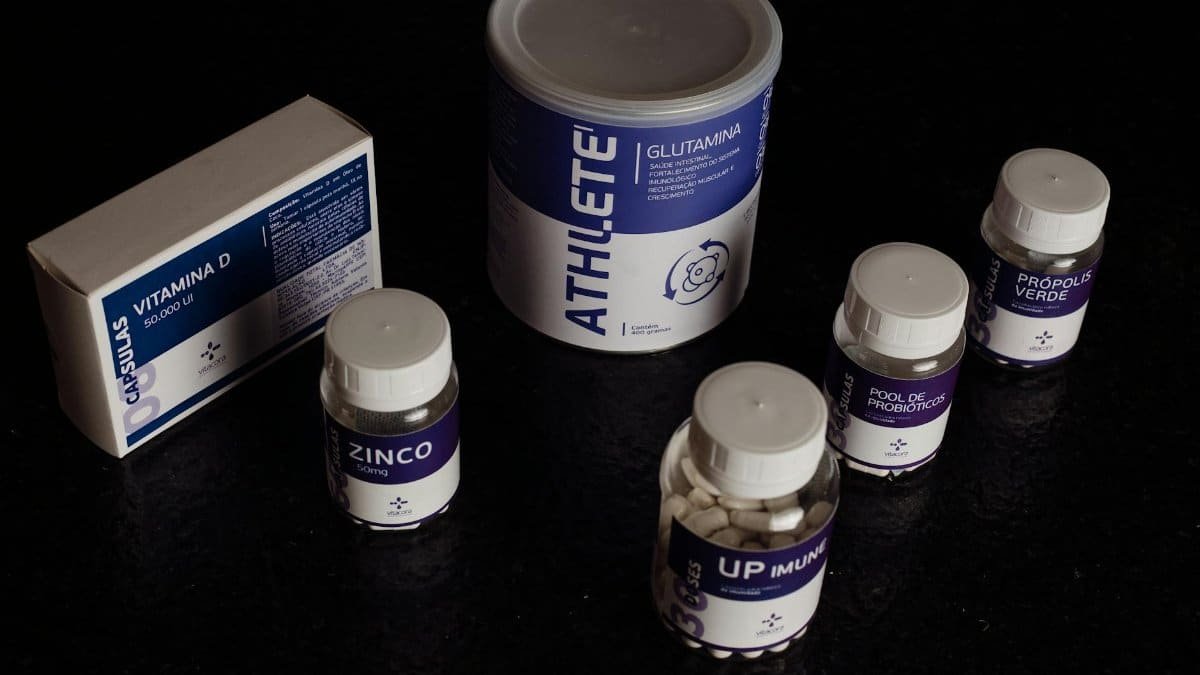
Supplements bridge gaps. Probiotics deliver live bacteria; prebiotics nourish residents. A blend targeting Lactobacillus rhamnosus sped muscle recovery in older adults post-exercise, per a clinical trial summary.
Women in their forties lifting weights saw grip strength rebound faster with inulin supplements. No magic pill, but targeted support. Avoid broad-spectrum antibiotics—they wipe out allies. Instead, layer in kefir or chicory root. Results compound over months, turning sporadic gains into steady progress.
Age and the Microbiome Shift

Muscle recovery slows with years. So does microbiome diversity. By 50, many lose beneficial strains, amplifying sarcopenia risks. Yet interventions reverse this.
Trials with fecal transplants or high-fiber regimens restored youth-like recovery in seniors. A Harvard-linked study on aging athletes found polyphenol supplements rebuilt microbial profiles, enhancing protein utilization. A retiree golfer marveled at birdies returning sans aches. “Gut health stole the show,” he reflected. Age tests resilience, but the microbiome offers comeback fuel.
Stress and Sleep’s Hidden Toll

Cortisol from deadlines disrupts gut balance, indirectly hammering recovery. Poor sleep starves good bacteria. Combined, they prolong DOMS—delayed onset muscle soreness.
Mindfulness plus probiotic routines cut inflammation markers in stressed trainees. One account from a public forum captured it: a sales exec described workouts wrecked by insomnia until yogurt and chamomile calmed his gut. Recovery sharpened. In 2026’s high-pressure world, these links grow urgent. Protect the microbiome, safeguard gains.
Measuring Your Microbiome Progress
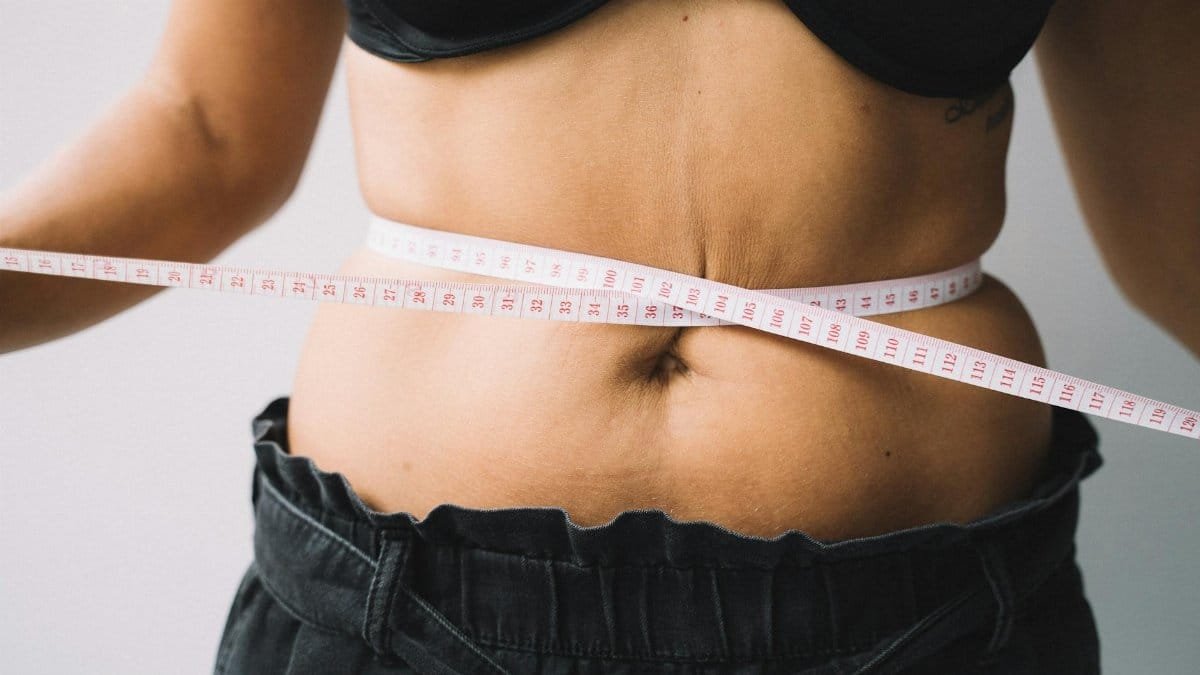
Track changes beyond feel. Stool tests reveal diversity scores. Apps log diet correlations with soreness scales. Bloodwork for SCFAs offers precision.
Athletes using at-home kits adjusted fibers, noting faster 5Ks. Not obsessive, but informed. Pair with workout journals. Patterns emerge: more kimchi, less hobbling. Subtle shifts compound.
Common Pitfalls to Avoid

Over-relying on protein ignores gut needs. Artificial sweeteners feed bad actors. Alcoholics anonymous meetings aside, booze starves allies.
Moderation rules. One lifter ignored fermented foods, chasing whey isolates. Soreness persisted until balance returned. Learn from stumbles. The microbiome demands holistic care.
This interplay promises more than quicker heals. It redefines fitness for midlife warriors chasing vitality. Nurture the gut, and muscles follow suit.

As an education professional with a background in Biology and Physics, Dr. Christoph Weber is the analytical heart of Fulfilled Humans. He ensures every piece of content is insightful and grounded in credible knowledge.
Disclaimer
The content on this post is for informational purposes only. It is not intended as a substitute for professional health or financial advice. Always seek the guidance of a qualified professional with any questions you may have regarding your health or finances. All information is provided by FulfilledHumans.com (a brand of EgoEase LLC) and is not guaranteed to be complete, accurate, or reliable.