

States like Ohio and New York are advancing gym membership tax credits, marking a potential breakthrough in public health policy. The American College of Sports Medicine (ACSM) highlighted these developments in a February 2026 report, noting bills that would offer income tax credits for gym memberships and personal training. This move aims to make fitness more affordable amid rising health concerns. Lawmakers see it as a direct incentive for active lifestyles, potentially reshaping how Americans approach exercise in 2026.
ACSM’s Key Report

The ACSM, a leading authority on sports medicine, issued its report in February 2026. It details how select U.S. states are proposing tax incentives tied to fitness expenses. Gym memberships and personal training sessions qualify under these bills, positioning physical activity as a reimbursable investment. The report underscores a growing recognition that financial barriers hinder regular exercise. By citing specific legislative actions, ACSM draws attention to a policy shift that could encourage broader participation. For more on ACSM’s work, see the American College of Sports Medicine (ACSM) site.
Ohio’s Legislative Push
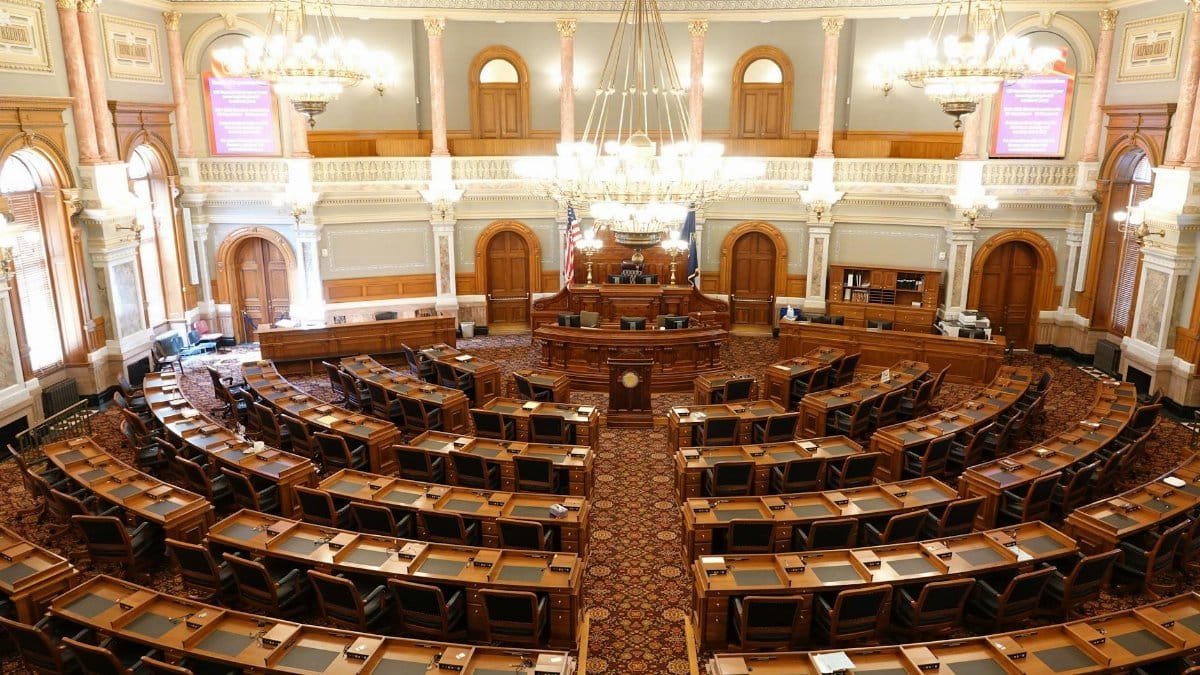
Ohio leads with a bill introducing income tax credits for gym memberships. Lawmakers frame this as a practical step to promote wellness statewide. The proposal targets everyday residents facing high fitness costs. Personal training, often overlooked in tax policy, also falls under the credit. This initiative reflects Ohio’s focus on preventive health measures. If passed, it could set a model for neighboring states, making gym access a fiscal priority in 2026 budgets.
New York’s Parallel Effort

New York mirrors Ohio’s approach with its own bill for gym membership tax credits. The measure covers both gym dues and sessions with personal trainers. Urban density and fast-paced lifestyles in the state amplify the need for such incentives. ACSM notes this as part of a wave of state-level innovations. New York’s proposal gains traction amid discussions on reducing healthcare costs through fitness. Passage here could influence East Coast policies.
Scope of the Tax Credits
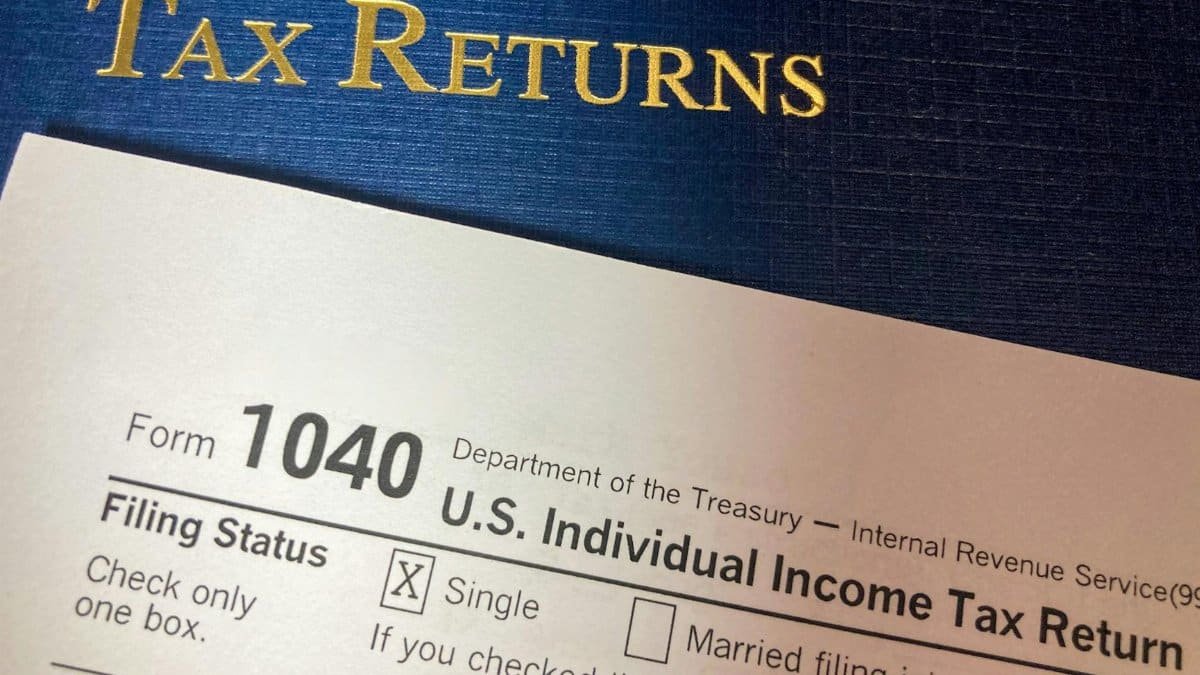
These bills specify income tax credits for gym memberships and personal training. Credits reduce taxable income directly linked to verified fitness spending. Gym memberships include standard monthly fees at approved facilities. Personal training covers one-on-one or small group sessions with certified professionals. ACSM emphasizes eligibility details to ensure broad access. This targeted design avoids vague wellness deductions, focusing on proven exercise formats.
Public Health Rationale

Proponents argue gym membership tax credits address inactivity rates across the U.S. States like Ohio and New York view fitness as key to combating chronic diseases. ACSM’s report ties these bills to evidence-based exercise benefits. Regular gym use and training build strength and endurance. Tax relief removes cost hurdles, potentially increasing participation. Health agencies back such policies for their role in population-level wellness. See related guidance at the CDC Physical Activity Basics page.
Fitness Industry Implications

Gym operators and trainers stand to benefit from heightened demand. Tax credits could drive sign-ups in Ohio and New York gyms. Personal trainers, often independent, gain a new client draw. ACSM reports position this as a win for the sector, stabilizing memberships post-pandemic. Chains and local studios alike prepare for verification processes. In 2026, this policy could expand the fitness economy while aligning business with public goals.
Legislative Path Forward

Bills in Ohio and New York navigate committee reviews and votes. ACSM tracks progress, urging swift action. Hearings may highlight economic and health data. Governors’ signatures remain key hurdles. Successful passage sets precedents for federal consideration. States monitor each other’s moves, fostering momentum. By mid-2026, outcomes could clarify nationwide viability.
Broader State Trends

ACSM flags Ohio and New York as pioneers, but others watch closely. Gym membership tax credits fit into wellness-focused agendas. Income tax structures allow flexible implementation. Personal training inclusion broadens appeal beyond casual gym-goers. This approach contrasts with past subsidies, emphasizing direct credits. Momentum builds as 2026 legislative sessions unfold.
Challenges and Considerations

Verification poses logistical hurdles for tax credits. States must define qualifying gyms and trainers. Fraud prevention requires robust systems. ACSM notes equity concerns, ensuring low-income access. Budget impacts demand scrutiny. Despite these, the bills advance, balancing incentives with oversight. Resolution shapes future health policies.

As an education professional with a background in Biology and Physics, Dr. Christoph Weber is the analytical heart of Fulfilled Humans. He ensures every piece of content is insightful and grounded in credible knowledge.
Disclaimer
The content on this post is for informational purposes only. It is not intended as a substitute for professional health or financial advice. Always seek the guidance of a qualified professional with any questions you may have regarding your health or finances. All information is provided by FulfilledHumans.com (a brand of EgoEase LLC) and is not guaranteed to be complete, accurate, or reliable.