

Gen Z workers are rejecting the climb up the corporate ladder. In February 2026, HR platform Deel spotlighted the conscious unbossing trend: young professionals deliberately declining management roles to dodge burnout. This shift signals a rethink of traditional career paths, prioritizing personal well-being over titles and added responsibilities. As Deel notes, Gen Z eyes balance over bossing, reshaping how companies view leadership pipelines.
What Drives Conscious Unbossing?

The conscious unbossing trend stems from Gen Z’s frontline experience with workplace pressures. Deel’s identification highlights a purposeful pivot away from management. These workers see supervisory duties as a fast track to exhaustion. Instead of embracing oversight roles, they opt to stay in individual contributor positions. This choice reflects deeper awareness of mental health costs tied to leading teams amid high demands.
Deel’s Role in Spotting the Shift

HR platform Deel, a key player in global workforce management, flagged conscious unbossing in February 2026. Their analysis of user data and trends revealed Gen Z’s pattern of turning down promotions. Deel positions itself as a trendsetter by tracking such behaviors across its platform. This insight comes directly from real-time HR interactions, offering companies early warnings on evolving employee mindsets. For more on Deel’s research, see their blog resources.
Gen Z’s Burnout Avoidance Strategy

Burnout looms large in the conscious unbossing trend. Gen Z workers, shaped by pandemic-era instability and remote work realities, view management as burnout fuel. Deel observes they purposely sidestep these roles to maintain sustainable workloads. Supervisory tasks—endless meetings, performance reviews, team conflicts—pile on stress without proportional rewards. By declining, they protect energy for core expertise, fostering long-term career health.
Declining the Management Promotion

Purposely declining management marks a bold stance in the conscious unbossing trend. Deel’s February 2026 report captures Gen Z voicing “no thanks” to offers that once symbolized success. This isn’t laziness; it’s calculated self-preservation. Workers prioritize output quality over headcount responsibilities. Companies face a talent retention puzzle as rising stars flat-out reject upward mobility, forcing reevaluation of promotion perks.
Implications for Traditional Career Ladders

Conscious unbossing challenges rigid hierarchies. Deel’s findings suggest Gen Z disrupts the “boss or bust” model. Firms reliant on internal promotions now grapple with leadership gaps. Without inventing paths for high-performing non-managers, businesses risk losing top talent. This trend pushes HR to value specialist tracks equally, blending individual impact with team leadership alternatives.
Work-Life Balance as a New Priority
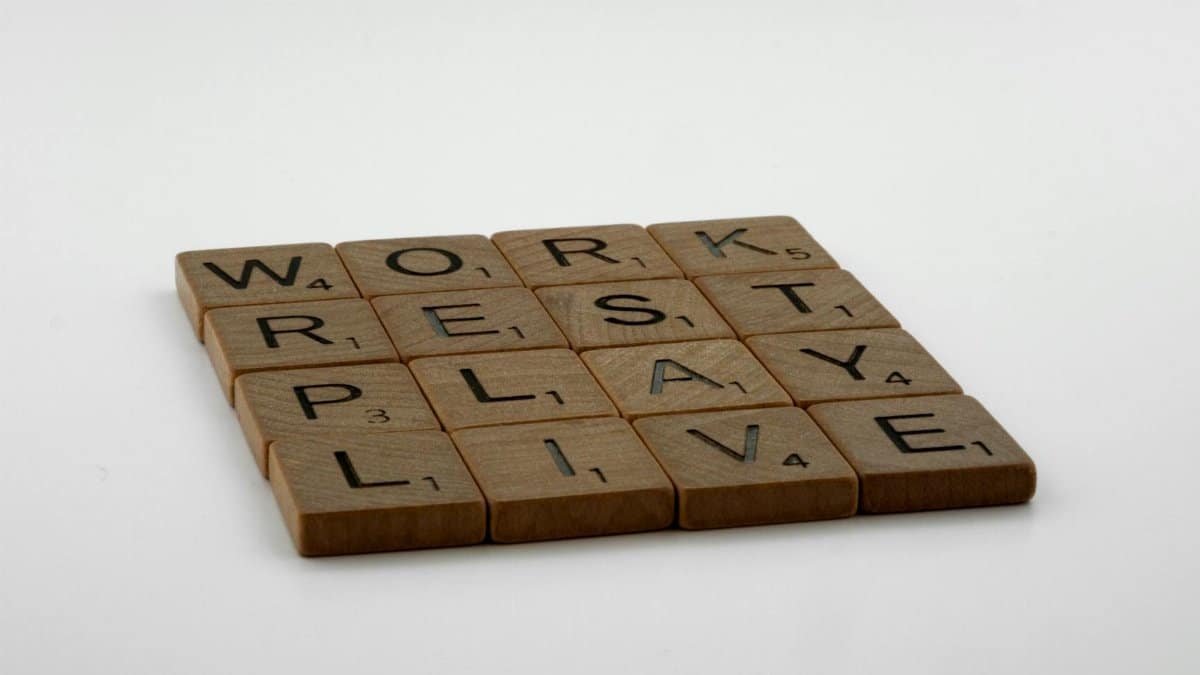
At its core, the conscious unbossing trend elevates balance. Gen Z, per Deel’s insights, links management to eroded boundaries—nights and weekends swallowed by crises. By staying put, they reclaim evenings and focus time. This mirrors broader U.S. workforce evolutions, where younger employees demand sustainability. Deel’s data underscores how burnout fears drive this opt-out, influencing policy tweaks like flexible oversight roles.
For context on Gen Z workforce attitudes, Pew Research tracks their priorities in depth: Pew Research on Gen Z.
HR Platforms’ Trend-Tracking Power

Deel’s identification of conscious unbossing showcases HR tech’s predictive edge. Platforms like Deel aggregate vast data from payroll, compliance, and hiring, surfacing patterns like Gen Z’s choices. In 2026, such tools alert leaders to retention risks early. This proactive stance helps tailor incentives, from mentorship sans authority to burnout-proof advancement. The trend’s visibility owes much to these digital sentinels.
Corporate Responses to the Trend
Companies must adapt to conscious unbossing. Deel’s spotlight prompts questions: How to lure managers without burnout bait? Strategies emerge around dual tracks—leadership for some, expertise elevation for others. Gen Z’s stance pressures execs to humanize promotions, emphasizing support systems. As this plays out in U.S. offices, HR shifts from pushing titles to preserving talent pools.
Redefining Success in 2026 Workplaces

The conscious unbossing trend redefines ambition. Deel’s February 2026 callout frames Gen Z as architects of balanced careers. Success now means thriving, not just climbing. This cultural pivot influences hiring, with firms scouting adaptable cultures. Workers gain agency, companies gain loyalty. In a burnout-weary era, conscious unbossing points to healthier, flatter organizations where impact trumps rank.

Natasha is the heart of our exploration into conscious connection. Applying principles from multiple counseling courses in her own life, she guides you to cultivate stronger, more joyful bonds.
Disclaimer
The content on this post is for informational purposes only. It is not intended as a substitute for professional health or financial advice. Always seek the guidance of a qualified professional with any questions you may have regarding your health or finances. All information is provided by FulfilledHumans.com (a brand of EgoEase LLC) and is not guaranteed to be complete, accurate, or reliable.