

Advisors in February 2026 revealed a game-changer for everyday finances: strict financial automation tools for savings and bills can save the average worker $1,000 annually. According to MSN Finance, setting up automated transfers and payments enforces discipline without constant effort. This approach counters rising costs, putting real money back in pockets. Workers from all walks report steady gains as automation handles the heavy lifting.
Advisors Push Automated Discipline

Financial advisors spotlight one simple strategy amid economic pressures. They emphasize strict setups for savings and bill payments. Automation removes human error and procrastination. The result? Consistent progress toward financial goals. MSN Finance reports this method delivers tangible results for the average worker. No gimmicks—just reliable execution.
How Automated Savings Works

Setting up automated savings starts with direct deposits or app-linked transfers. Advisors recommend allocating a fixed percentage of income right after payday. Strict rules prevent tampering. Money moves to high-yield accounts before spending temptations arise. This builds wealth quietly. Over a year, these small actions compound into significant sums, as highlighted in recent advisor insights.
Streamlining Bill Payments Automatically
Bill payments follow the same principle. Link accounts to auto-pay utilities, rent, and subscriptions. Strict automation ensures on-time payments, dodging late fees that erode savings. Advisors note this frees mental bandwidth. No more monthly scrambling. The average worker avoids penalties that quietly drain hundreds annually. Precision here amplifies the overall savings effect.
The $1,000 Annual Savings Breakdown
Crunch the numbers: $1,000 saved yearly equals about $83 monthly. Advisors attribute this to dual automation—savings and bills. Eliminating fees alone contributes substantially. Consistent savings transfers add the rest. For the average worker earning a standard wage, this represents a 2-3% income boost. MSN Finance data underscores the precision of these figures from early 2026 analysis.
Why Strict Rules Maximize Impact
Loosely configured tools fall short. Advisors stress “strict” setups: no opt-outs, fixed amounts, protected accounts. Flexibility invites overrides during tough months. Rigid automation enforces habits. It turns good intentions into results. Workers who adopt this see the full $1,000 benefit. Half-measures yield half the gains, per expert observations.
Targeting the Average Worker

This advice fits the typical U.S. worker juggling jobs, families, and bills. Automation levels the field. No need for financial expertise—just setup time. Advisors tailor it for salaried employees and hourly earners alike. In 2026, with inflation lingering, these tools provide an edge. Steady savings combat wage stagnation effectively.
Real-World Application Steps

Start small: Review bank apps for auto-transfer options. Set savings first, bills second. Test for a month. Advisors confirm momentum builds fast. Banks and fintechs offer free tools. Workers report seamless integration. The key? Commit to strict parameters from day one. Annual savings follow naturally.
Backing from Credible Sources

MSN Finance led the February 2026 coverage, drawing from advisor networks. Their analysis aligns with broader financial education efforts. For context on automation benefits, the MSN Finance hub details similar strategies. The Consumer Financial Protection Bureau also supports auto-payments to avoid fees, as outlined on their official guidance page. These resources validate the advisor claims.
2026 Momentum for Financial Tools
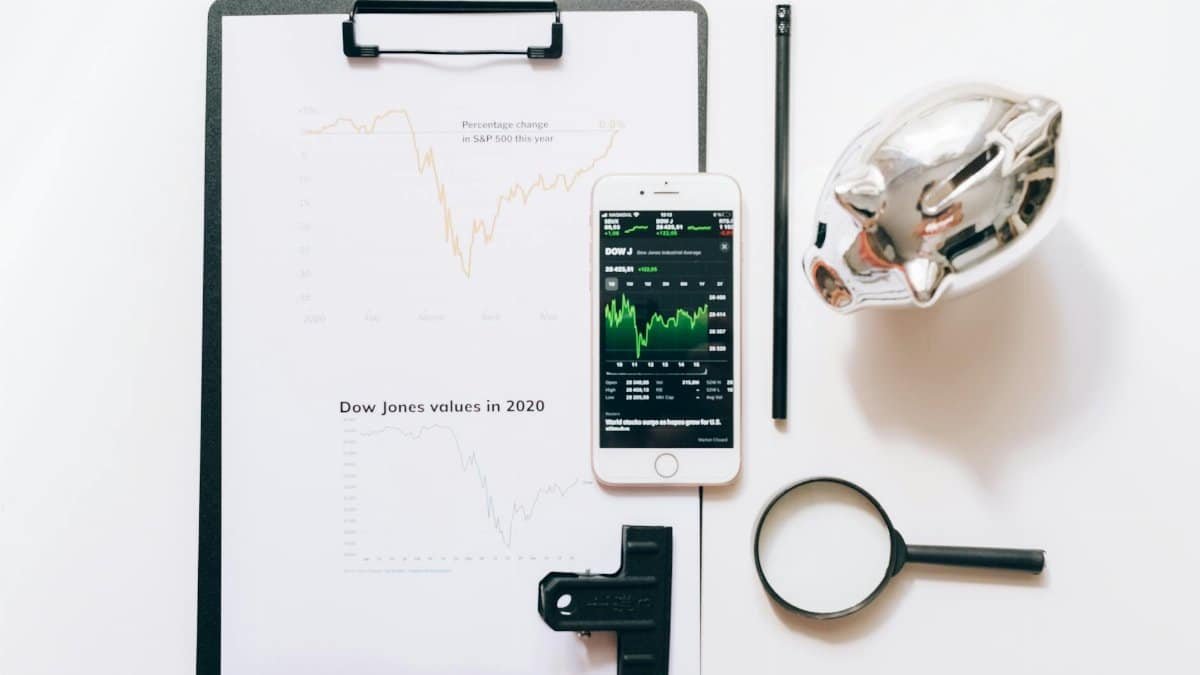
Early 2026 signals growing adoption. Advisors predict wider use as awareness spreads. Workers save more amid uncertain economies. Automation proves resilient. MSN Finance positions it as essential for households. The $1,000 figure sets a benchmark. Expect banks to enhance these tools further, aiding the average earner.
Financial automation tools deliver where willpower falters. Advisors make it clear: act now for yearly gains. The average worker stands to pocket $1,000 without lifestyle changes. Strict implementation unlocks the potential. MSN Finance’s spotlight in February 2026 cements its status as a must-do move.

With a career spanning investment banking to private equity, Dominik brings a rare perspective on wealth. He explores how money can be a tool for personal freedom and positive impact, offering strategies for abundance that align with your values.
Disclaimer
The content on this post is for informational purposes only. It is not intended as a substitute for professional health or financial advice. Always seek the guidance of a qualified professional with any questions you may have regarding your health or finances. All information is provided by FulfilledHumans.com (a brand of EgoEase LLC) and is not guaranteed to be complete, accurate, or reliable.