

A U.S. federal court struck down Texas’s texas esg ban on February 3, 2026, invalidating SB 13 in a move that reshapes state investment rules. The law had targeted financial firms scaling back on fossil fuels, blocking Texas from doing business with them. This decision lifts those barriers, signaling potential shifts in how the state handles public funds amid ongoing ESG debates. Legal experts note it challenges aggressive anti-ESG strategies nationwide.
The Federal Court Ruling

On February 3, 2026, a U.S. federal court delivered a decisive verdict against Texas SB 13. The ruling nullified the entire statute, deeming its restrictions on state investments unlawful. This action came after challenges highlighting conflicts with federal priorities. Texas officials now face a recalibrated landscape for managing the state’s vast pension and treasury portfolios. The decision underscores tensions between state-level policies and broader market dynamics.
Breaking Down SB 13

Texas SB 13 stood as a cornerstone anti-ESG law. Passed to counter what lawmakers called discriminatory practices, it mandated divestment from firms perceived as hostile to fossil fuels. State agencies, including the comptroller, enforced blacklists of non-compliant banks and asset managers. The measure aimed to protect oil and gas interests central to Texas’s economy. Its downfall marks the end of this enforcement era.
Core Restrictions Imposed

SB 13 heavily restricted state investments tied to financial firms reducing fossil fuel reliance. Public funds could not flow to companies boycotting or downgrading energy sector clients. This included major Wall Street players adjusting portfolios toward renewables. Texas comptroller’s office tracked compliance, wielding authority over billions in assets. The law’s broad scope ensnared diverse investment vehicles, from bonds to mutual funds.
Targeting Fossil Fuel Policies
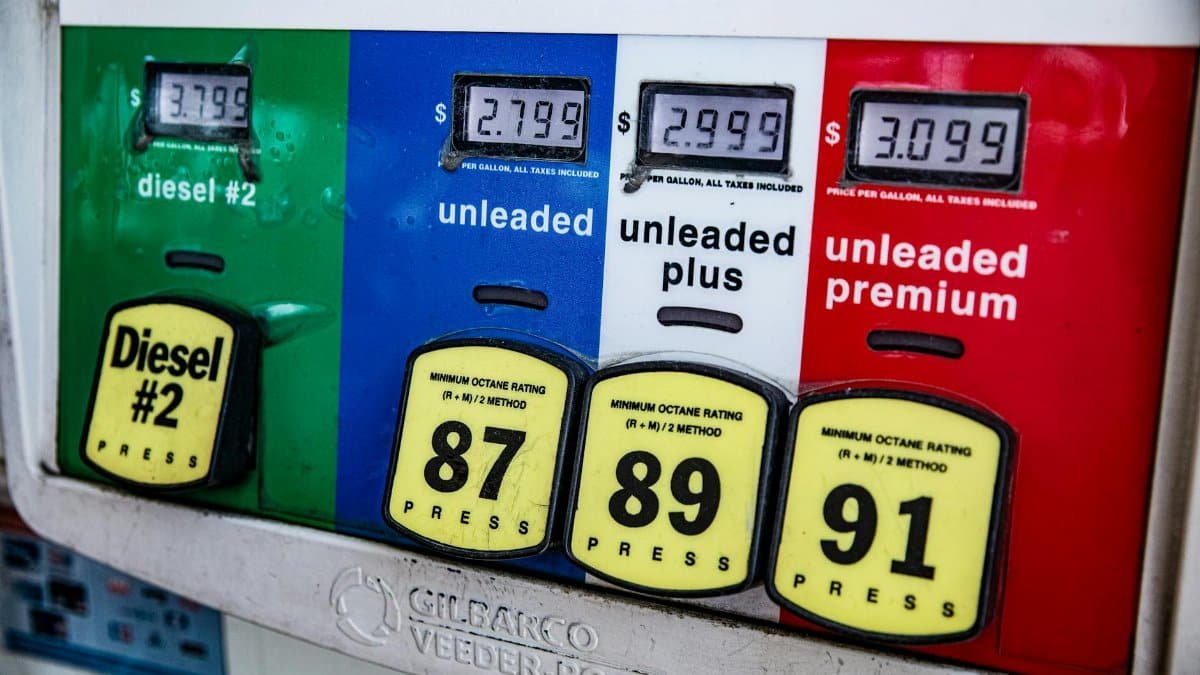
At its heart, the texas esg ban zeroed in on firms dialing back fossil fuel exposure. Banks limiting loans to coal, oil, or gas operations fell under scrutiny. Asset managers favoring ESG criteria risked exclusion from lucrative state contracts. Proponents argued this safeguarded Texas’s energy dominance. Critics saw it as punishing sustainable shifts. The court’s strike-down reopens doors for such firms.
State Investment Shake-Up

The ruling disrupts Texas’s investment playbook. Previously, SB 13 funneled state money toward fossil fuel-friendly entities only. Now, diversification options expand. Pension funds for teachers and state workers stand to benefit from wider choices. Treasury yields could adjust as blacklisted firms return. This pivot tests how Texas balances economic conservatism with fiduciary duties in 2026’s markets.
Legal Source and Context

Debevoise & Plimpton first reported the decision, detailing its scope in client updates. The firm, known for financial regulatory insights, flagged SB 13’s vulnerabilities early. For full analysis, see Debevoise & Plimpton Publications. This aligns with federal precedents curbing state overreach in commerce. Texas lawmakers must now reassess similar measures.
Implications for Financial Firms

Wall Street breathes easier post-ruling. Firms previously shunned by Texas can resume bidding on state business. BlackRock, State Street, and others adapting to ESG pressures regain access. Reduced fossil fuel reliance no longer triggers penalties. This could accelerate green transitions without state-level pushback. In 2026, expect renewed partnerships bolstering Texas portfolios.
Wider Anti-ESG Fallout

Texas led a wave of red-state anti-ESG laws, but SB 13’s fall ripples outward. Similar statutes in Florida and others face fresh scrutiny. Federal courts signal limits on politicizing investments. Fossil fuel advocates decry lost protections; ESG proponents hail market freedom. Check Texas legislative records for SB 13’s path via the Texas Legislature Online. The verdict reshapes 2026’s policy battles.
Next Steps for Texas

State leaders eye appeals or new legislation. Comptroller Glenn Hegar must update investment guidelines swiftly. Public funds totaling hundreds of billions demand compliance. Stakeholders from energy giants to retirees watch closely. This ruling enforces federal supremacy over state ESG bans, potentially standardizing national practices. Texas’s texas esg ban experiment ends, but debates persist.

A certified hypnotherapist, Reiki practitioner, sound healer, and MBCT trainer, Christopher guides our journey into the spiritual dimension, helping you tap into a deeper sense of peace and awareness.
Disclaimer
The content on this post is for informational purposes only. It is not intended as a substitute for professional health or financial advice. Always seek the guidance of a qualified professional with any questions you may have regarding your health or finances. All information is provided by FulfilledHumans.com (a brand of EgoEase LLC) and is not guaranteed to be complete, accurate, or reliable.