

A U.S. federal court has struck down Texas SB 13, dismantling the state’s texas esg ban that curbed investments in green firms. The ruling, dated February 3, 2026, marks a significant setback for anti-ESG measures. SB 13 aimed to steer state funds away from companies prioritizing environmental, social, and governance criteria, favoring traditional energy sectors instead. Debevoise reported the decision, highlighting its impact on Texas’ investment strategies. This move reopens doors for sustainable investing amid ongoing national debates.
The Federal Court’s Key Ruling

On February 3, 2026, a U.S. federal court invalidated Texas SB 13 in its entirety. The law, known as an anti-ESG measure, faced scrutiny for its restrictions on state investments. Judges determined it overstepped constitutional bounds, effectively ending the texas esg ban’s enforcement. This decision forces Texas to reassess how public funds flow into various sectors, particularly those deemed “green.”
Understanding Texas SB 13

Texas SB 13 emerged as a direct response to the rise of ESG investing. Passed earlier, it prohibited state agencies from contracting with or investing in firms that factored environmental or governance risks into decisions. The core restriction targeted green firms—those emphasizing sustainability over fossil fuel interests. This positioned Texas at the forefront of states pushing back against what lawmakers called discriminatory practices.
Restrictions on Green Firm Investments

At its heart, SB 13 barred state pension funds and other entities from dealings with companies boycotting fossil fuels or promoting ESG standards. Green firms, often focused on renewables and climate goals, bore the brunt. The law mandated divestment and blacklisting, aiming to protect oil and gas giants central to Texas’ economy. Such limits reshaped billions in potential investments, prioritizing energy security over broader sustainability trends.
Why the Court Intervened

The federal ruling zeroed in on SB 13’s overreach. Courts viewed the investment curbs as infringing on free market principles and federal commerce powers. By striking it down, the decision restored flexibility for state treasurers handling public assets. Debevoise’s coverage underscored how this aligns with similar challenges nationwide, where anti-ESG laws test constitutional limits. For more on SB 13’s text, see the Texas Legislature.
Immediate Fallout for Texas Investments
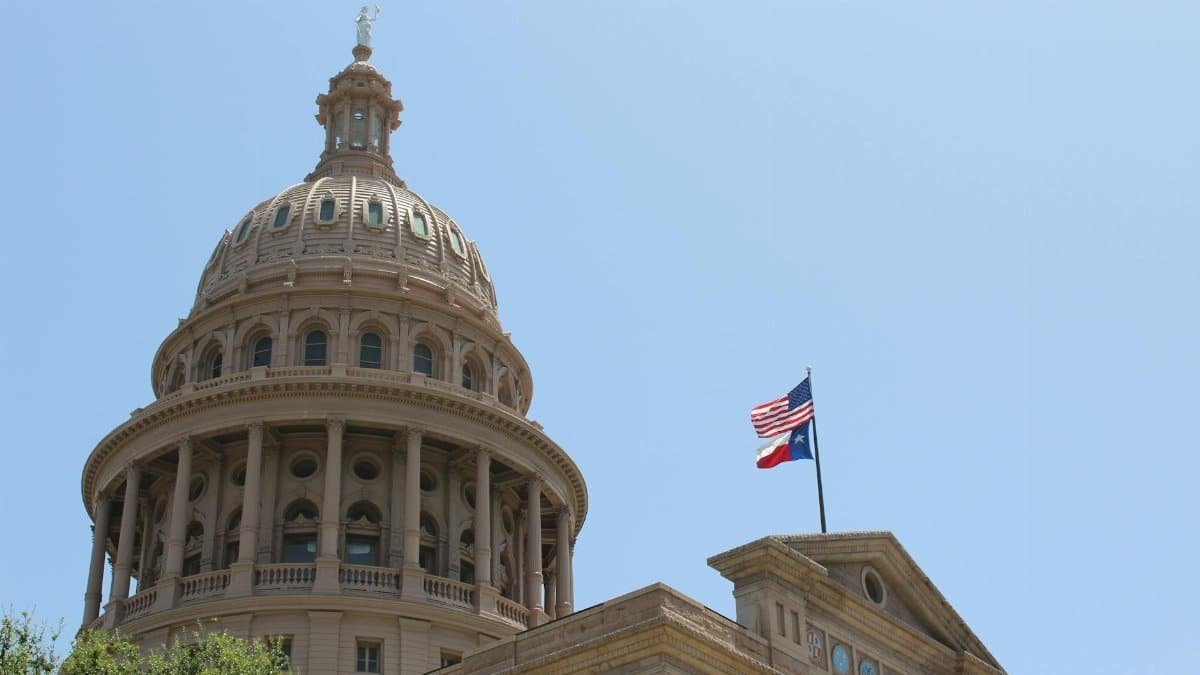
With SB 13 overturned, Texas state investments regain access to green firms previously off-limits. Pension funds, managing vast sums for public employees, can now pursue ESG-aligned opportunities without legal hurdles. This shift could diversify portfolios long skewed toward fossil fuels. In 2026, as energy markets evolve, the ruling prompts quick recalibrations in asset allocation across Texas agencies.
Debevoise’s Role in Reporting the Strike-Down

Debevoise, a leading legal observer, first detailed the February 3, 2026, ruling. Their analysis framed it as a pivotal moment in the ESG policy wars. The firm’s insights reveal how SB 13’s fall weakens similar bans in other states. Explore Debevoise’s publications on financial regulations at Debevoise & Plimpton Publications, where updates on investment law often appear.
National Context of Anti-ESG Pushback

Texas SB 13 exemplified a wave of state-level resistance to ESG criteria. Proponents argued it shielded local industries from “woke capitalism.” Critics saw it as stifling innovation in clean energy. The federal court’s action signals judicial skepticism toward such targeted bans, potentially influencing 2026 legislative agendas elsewhere. U.S. trends show ESG assets growing despite political friction, with states like Texas now adapting.
Implications for State Pension Funds

Texas’ massive pension systems stand to benefit most. Freed from SB 13, managers can evaluate green firms on merit, not ideology. This could boost returns through diversified holdings in renewables. The texas esg ban’s end underscores tensions between state policy and fiduciary duties, reshaping how public money supports economic growth in 2026.
Looking at Broader ESG Landscape

The strike-down of SB 13 fits into escalating battles over sustainable investing. While Texas restricted ties with green firms, federal oversight now prevails. Investors nationwide watch closely, as this ruling may deter copycat laws. In a year like 2026, with climate priorities intensifying, states must balance energy heritage against global finance shifts.
The federal court’s move against Texas SB 13 clears a path for more inclusive investment practices. As details emerge, Texas navigates uncharted waters without its anti-ESG shield.

With a career spanning investment banking to private equity, Dominik brings a rare perspective on wealth. He explores how money can be a tool for personal freedom and positive impact, offering strategies for abundance that align with your values.
Disclaimer
The content on this post is for informational purposes only. It is not intended as a substitute for professional health or financial advice. Always seek the guidance of a qualified professional with any questions you may have regarding your health or finances. All information is provided by FulfilledHumans.com (a brand of EgoEase LLC) and is not guaranteed to be complete, accurate, or reliable.