
In a bold move for sustainable development, the EU Commission on February 17, 2026, launched specialized tools designed for clean energy assessment. These instruments aim to verify that clean energy technologies fully align with principles of circularity—emphasizing reuse, recycling, and minimal waste—and technological autonomy, reducing reliance on external supply chains. This initiative underscores the bloc’s push for resilient green infrastructure amid global energy shifts. Source: EU Commission.
EU Commission’s Strategic Launch
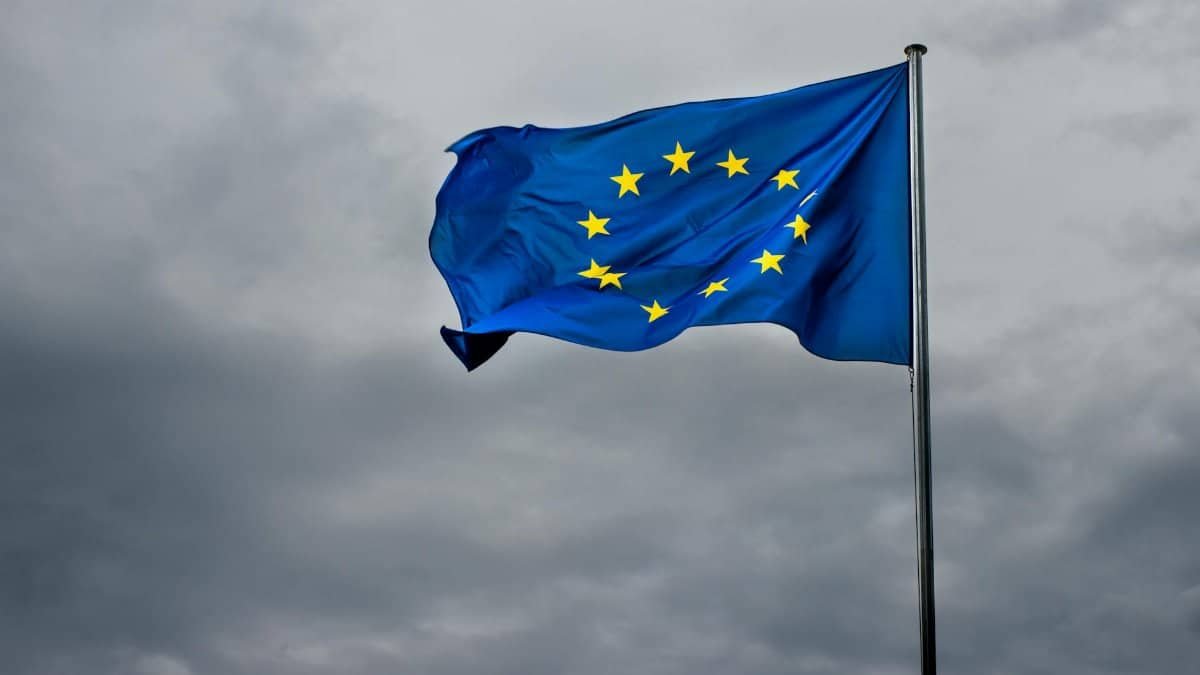
The EU Commission took decisive action on February 17, 2026, rolling out these assessment tools. Officials positioned the launch as a cornerstone for future-proofing Europe’s energy sector. The tools provide a structured framework to evaluate clean energy projects, ensuring they meet rigorous standards from the outset. This step reflects the Commission’s ongoing commitment to integrating sustainability into every facet of technological advancement.
Core Focus: Circularity in Clean Energy

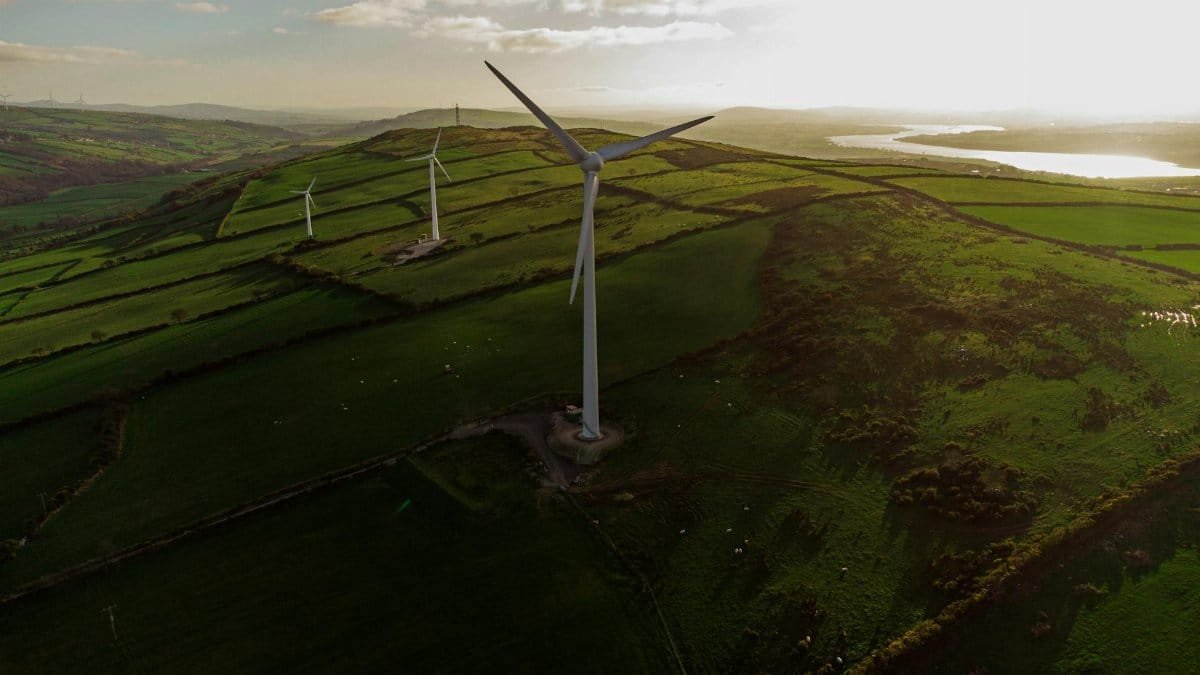
Circularity stands at the heart of these new tools. In clean energy contexts, it demands designs that prioritize material recovery and lifecycle extension. Solar panels, wind turbines, and battery systems must now demonstrate closed-loop potential under assessment. The EU Commission emphasizes that without such alignment, technologies risk perpetuating linear “take-make-dispose” models, undermining long-term viability. These tools enforce checks to promote durable, regenerative energy solutions across member states.
Technological Autonomy Explained

Technological autonomy emerges as the second pillar. The assessment tools scrutinize clean energy tech for self-sufficiency, minimizing vulnerabilities to global disruptions. This includes evaluating domestic manufacturing capabilities and supply chain resilience. The EU Commission views this as essential for strategic independence, particularly in critical components like rare earth elements used in renewables. By embedding these criteria, the tools safeguard Europe’s leadership in the green transition.
Practical Application of the Tools
Developers and policymakers now have concrete mechanisms at their disposal. The clean energy assessment process involves standardized metrics, likely including audits, simulations, and compliance scoring. Projects failing to align with circularity or autonomy benchmarks face hurdles in funding or deployment. The EU Commission intends these tools to streamline approvals while elevating quality, fostering innovation that withstands economic pressures.
Timeline and Immediate Context

The February 17, 2026, announcement arrives at a pivotal moment. Europe grapples with energy security challenges, amplified by geopolitical tensions. The Commission’s tools respond directly, embedding assessments into regulatory pipelines. Early adoption could accelerate deployment of compliant technologies, positioning the EU as a global benchmark by late 2026.
Implications for Clean Energy Developers
For industry players, the tools signal a new era of accountability. Clean energy firms must integrate circular design and autonomy features early in R&D. This could spur investments in recycling infrastructure and local sourcing. The EU Commission anticipates faster market entry for high-scoring projects, rewarding proactive compliance and weeding out suboptimal options.
Alignment with EU-Wide Goals
These assessment tools dovetail with broader EU objectives, such as the European Green Deal. Circularity supports waste reduction targets, while autonomy bolsters competitiveness. The Commission frames the launch as a unified strategy, harmonizing national efforts. In 2026, this could reshape procurement policies, prioritizing assessed technologies in public tenders and subsidies.
U.S. Perspective on EU Advances
From across the Atlantic, U.S. observers note parallels with domestic initiatives like the Inflation Reduction Act. While America ramps up clean energy incentives, the EU’s assessment focus on circularity and autonomy offers lessons in resilience. Transatlantic collaboration could emerge, as U.S. firms eye EU markets demanding these standards. The Commission’s move highlights a shared 2026 priority: building green tech that endures.
Accessing Official Resources

The EU Commission provides full details on its platforms. For in-depth exploration of clean energy strategies, consult the official energy topic page at the European Commission Energy Directorate. On circular economy principles integral to these tools, see the dedicated environment section via EU Circular Economy Hub. These resources confirm the launch’s scope and guide implementation.
The rollout marks a proactive stance, ensuring clean energy assessment drives real progress. As Europe implements these tools, global stakeholders watch closely for ripple effects in 2026 and beyond.

With a career spanning investment banking to private equity, Dominik brings a rare perspective on wealth. He explores how money can be a tool for personal freedom and positive impact, offering strategies for abundance that align with your values.
Disclaimer
The content on this post is for informational purposes only. It is not intended as a substitute for professional health or financial advice. Always seek the guidance of a qualified professional with any questions you may have regarding your health or finances. All information is provided by FulfilledHumans.com (a brand of EgoEase LLC) and is not guaranteed to be complete, accurate, or reliable.