

A psychological shift is gaining momentum in 2026, with mindful sensation practices leading the charge toward “meaning over measurement.” Individuals are ditching rigid data tracking for sensory, embodied presence, according to recent insights. This move promises deeper catharsis through felt experiences rather than clinical logs. As reported on January 27, it’s reshaping how people connect with their inner worlds. Source: Global Wellness Summit (GWS).
The Rise of Meaning Over Measurement

Psychological trends in 2026 highlight a clear pivot. People seek substance in their mental lives, favoring intuitive understanding over quantified metrics. This shift rejects the surveillance culture of apps and wearables that log every heartbeat or step. Instead, it champions practices rooted in direct sensation. The appeal lies in reclaiming autonomy from data overload, allowing raw experience to guide well-being.
Experts note this as a backlash to over-reliance on numbers. When every emotion gets scored, depth suffers. Mindful sensation practices restore balance by tuning into the body’s signals without judgment or charts. Early signals from wellness reports confirm this embrace is accelerating nationwide.
Core Elements of Sensory Focus

At its heart, the trend emphasizes sensory engagement. Practitioners attune to touch, breath, and movement as primary guides. No devices required—just present-moment awareness of physicality. This embodied approach counters the disembodied scroll of digital life.
GWS data underscores how such practices foster genuine presence. Users report heightened clarity from feeling rather than analyzing. It’s a return to basics: the warmth of sunlight on skin or the rhythm of footsteps. These elements build resilience without external validation.
Embodied Presence in Action
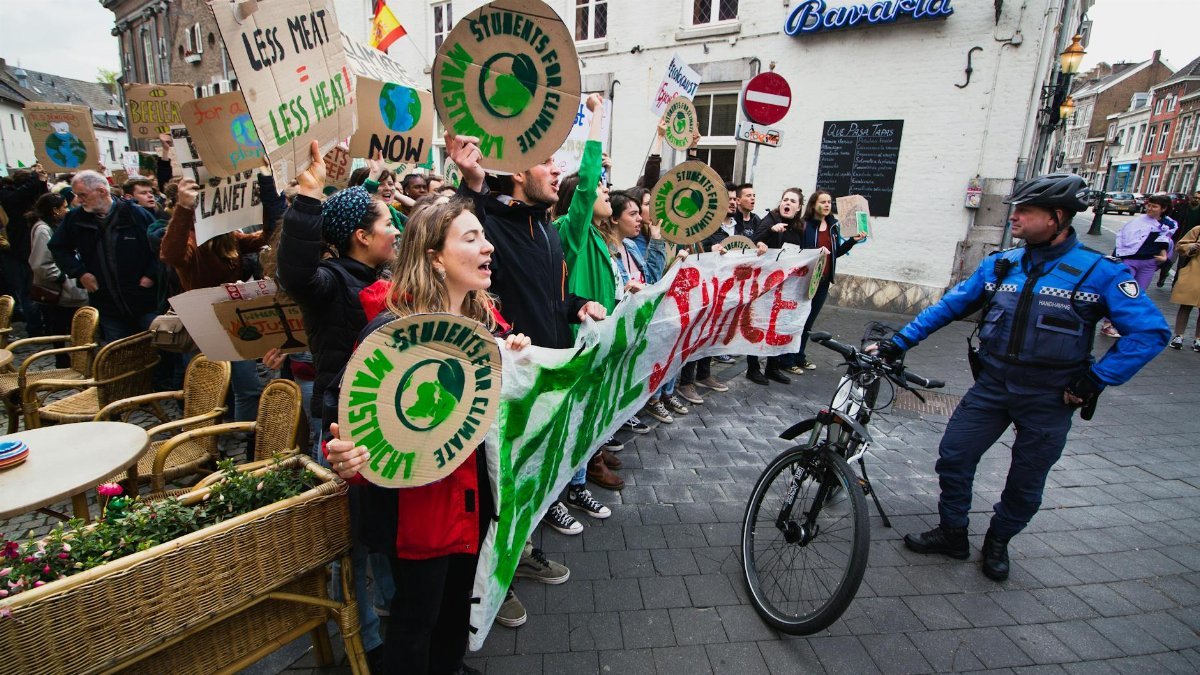
Embodied presence means fully inhabiting the body. In 2026, this translates to daily rituals like slow walking or texture exploration. The goal? Anchor the mind in the now through sensation, sidelining mental chatter.
This isn’t vague spirituality. It’s practical psychology. By prioritizing felt states, individuals bypass self-critique loops. GWS highlights how this shift aids stress reduction, as the body becomes the trusted compass over fleeting thoughts.
Why Self-Surveillance is Fading
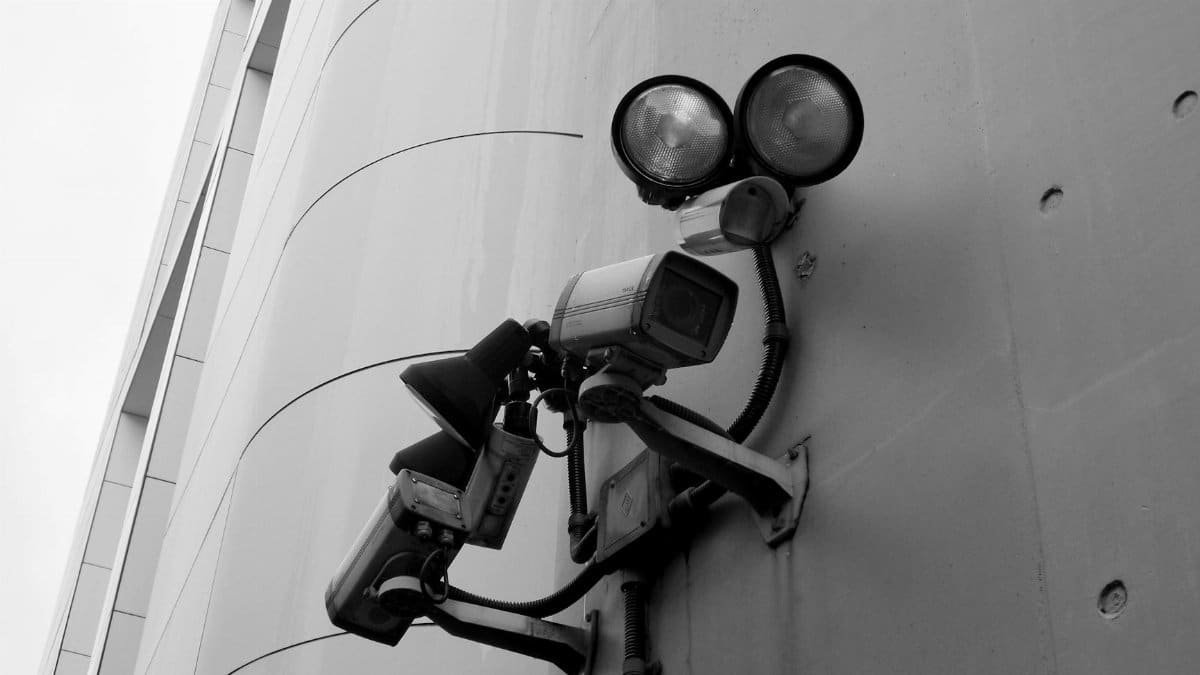
Self-surveillance—endless mood journals and biometrics—once dominated wellness. Now, it’s under fire. The pressure to measure erodes joy, turning life into a performance metric. Mindful sensation practices flip the script, valuing unfiltered experience.
Reports from January 27 pinpoint this fatigue as the catalyst. People crave liberation from the “quantified self.” Sensory methods offer it, proving effective without spreadsheets. This cultural pivot signals broader mental health evolution.
Real-World Psychological Benefits

Adopters experience profound shifts. Sensory immersion quiets anxiety by grounding it in the tangible. Embodied practices enhance emotional regulation, as presence interrupts rumination cycles.
Backed by wellness authorities, these benefits align with established research on mindfulness. For instance, the National Center for Complementary and Integrative Health (NCCIH) notes similar body-focused techniques reduce chronic stress markers. GWS ties this directly to the 2026 surge in sensory trends.
Navigating the Transition

Moving from measurement to meaning requires intention. Start small: pause during routines to notice bodily cues. Over time, this builds habituated presence. Challenges like distraction arise, but persistence pays off.
GWS observers predict widespread adoption. Urban professionals, burned by tracker fatigue, lead the way. The result? A more intuitive, less obsessive approach to psyche.
Broader Cultural Implications

This shift ripples outward. Workplaces eye sensory breaks for productivity. Therapy integrates embodied tools over talk alone. In 2026 America, it’s redefining self-care as felt wisdom, not data dumps.
Public discourse reflects the change. Conversations favor depth over dashboards. GWS positions it as a wellness milestone, urging collective buy-in.
Sustaining the Momentum
To endure, mindful sensation practices need community support. Workshops and apps—ironically—now guide without tracking. The key: keep it simple, body-led.
January 27 reports forecast staying power. As measurement tools proliferate, the counter-movement strengthens. Individuals thrive when sensation trumps stats, proving meaning’s enduring pull.
This psychological pivot, sourced from GWS, marks 2026’s wellness watermark. By embracing the sensory, society steps toward authentic presence. The data? Irrelevant. The feeling speaks volumes.

A certified hypnotherapist, Reiki practitioner, sound healer, and MBCT trainer, Christopher guides our journey into the spiritual dimension, helping you tap into a deeper sense of peace and awareness.
Disclaimer
The content on this post is for informational purposes only. It is not intended as a substitute for professional health or financial advice. Always seek the guidance of a qualified professional with any questions you may have regarding your health or finances. All information is provided by FulfilledHumans.com (a brand of EgoEase LLC) and is not guaranteed to be complete, accurate, or reliable.