
A recent poll from the nonprofit Pew Research Center found that 25 percent of U.S. adults have tried cognitive enhancers like caffeine pills or herbal extracts in the past year. That’s double the rate from a decade ago. The numbers reflect a quiet revolution in how everyday people chase sharper minds amid work stress and endless distractions. Nootropics science facts promise brain boosts without a prescription. But do they deliver? Silicon Valley execs swear by them. College students stack pills for exams. Skeptics call it hype. The truth lies in the studies, messy as they are.
The Birth of ‘Smart Drugs’

Corneliu Giurgea coined the term nootropic in 1972. A Romanian chemist, he sought compounds that sharpened cognition without the crash of amphetamines. His prototype, piracetam, aimed to protect brain cells under stress. Fast-forward to today. Nootropics encompass everything from synthetic racetams to natural herbs. They target focus, memory, or mood. Yet Giurgea’s vision was precise: safe, broad-spectrum enhancers. Modern use often strays into uncharted territory.
Consider a midlevel manager in Chicago. He pops modafinil before board meetings. “It keeps the fog away,” he says over coffee. Stories like his fuel the market, now worth billions. But science lags behind the buzz.
Decoding Popular Ingredients

Nootropics break into stacks: caffeine pairs, amino acids, adaptogens. Caffeine rules as the baseline. Everyone knows coffee wakes you up. But isolated doses hit differently.
L-theanine, from green tea, smooths the edge. A landmark study paired them: subjects improved attention and accuracy on tough tasks. Reaction times dropped significantly. Researchers noted reduced mind-wandering.That 2008 paper in Nutritional Neuroscience still guides biohackers.
Then bacopa monnieri, an Ayurvedic herb. It promises memory gains after weeks. Trials show modest effects on recall. One review of nine studies confirmed speedier information processing. But users gripe about stomach upset. Dosage matters: 300 milligrams daily, standardized extract.
Rhodiola rosea fights fatigue. Miners in Siberia chewed it for endurance. Modern tests back reduced burnout in stressed doctors. Effects build over time, not overnight.
Prescription Powerhouses Under Scrutiny
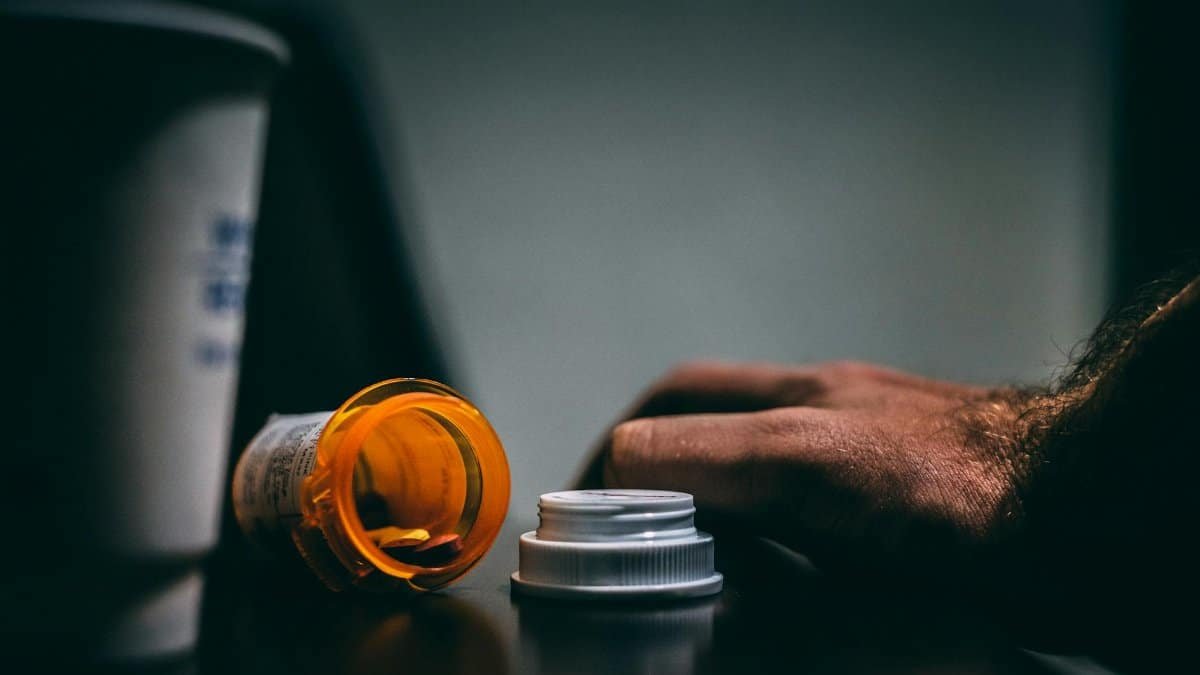
Adderall and Ritalin dominate off-label talk. Prescribed for ADHD, they flood brains with dopamine. Healthy users report laser focus. A meta-analysis of 48 studies found small cognitive lifts in non-ADHD adults. But sleep disruption and tolerance erode gains.
Modafinil shines brighter. Approved for narcolepsy, it promotes wakefulness sans jitters. Military pilots use it. A 2009 review in Neuropsychopharmacology deemed it effective for complex tasks. Planning improved. Errors fell. Side effects? Rare headaches, insomnia.
Provigil’s patent expired, spawning generics. Access tempts. Yet the FDA warns: not for casual use. Heart risks lurk for some.
Natural Alternatives: Do They Stack Up?
Omega-3s from fish oil bolster brain health long-term. The NIH highlights their role in structure. A large trial linked higher intake to slower cognitive decline in elders.Their fact sheet urges food sources first.
Lion’s mane mushroom spurs nerve growth. Lab cells thrive. Human data? A small 2020 study saw mild memory bumps in older adults after 12 weeks. Promising, not proven.
Ginkgo biloba flopped in big trials. The Ginkgo Evaluation Memory study tracked thousands. No dementia delay. Focus claims withered too.
These naturals shine in synergy, not solo. A user tweaks his regimen: morning caffeine-theanine, evening bacopa. Results vary wildly.
The Evidence Gap: What Studies Really Say

Nootropics science facts reveal a patchwork. Many trials suffer small samples, industry funding. Caffeine combos win consistently. A 2010 meta-analysis in Psychopharmacology affirmed benefits for vigilance.
Racetams? Mixed. Piracetam aids stroke recovery, per Cochrane reviews. Healthy brains? Inconclusive.
Placebo reigns supreme. Enthusiasm amplifies effects. One experiment blinded participants to real versus sham pills. Perceived boosts matched, regardless.
Publication bias skews views. Hits get press. Null results gather dust. Independent sites like Examine.com sift the data. Their breakdowns rate evidence from gold to junk.
Risks Hidden in the Hype

Boosts come with catches. Overuse breeds tolerance. Adderall users chase highs, risking addiction. Natural options upset guts or interact with meds.
A Seattle tech worker shared his tale anonymously online. “Started with noopept for coding marathons. Vivid dreams turned nightmarish. Quit cold.” Such accounts pepper forums.
Long-term? Unknown. Brain plasticity shifts. Heavy caffeine strains adrenals. Modafinil masks sleep debt, inviting crashes.
Regulators chase shadows. Supplements dodge FDA rigor. Labels lie. Third-party tests expose contaminants.
Who Turns to Nootropics—and Why?

Profiles emerge. Stressed professionals top the list. Parents juggle remote work and kids. Students cram for finals. A 2026 survey from the Cognitive Enhancement Research Institute pegs usage at 30 percent among under-35 urbanites.
Motives blend ambition and anxiety. “Deadlines devour weekends,” admits a Boston marketer. Her stack: tyrosine for dopamine, ashwagandha for calm.
Women report subtler needs: menopause fog, postpartum haze. Data shows rising female adoption.
Athletes eye edges too. Nootropics aid recovery without doping flags.
Real-World Applications Beyond the Lab
Labs test puzzles. Life tests chaos. A sales rep in Atlanta credits citicoline for client calls. “Words flow. Deals close.” Her before-and-after journal tracks sharper pitches.
Creatives experiment. Writers down phenylalanine for flow states. Musicians pair beta-alanine with practice.
Corporate wellness dips toes. Google once offered modafinil talks. Now apps gamify stacks.
Communities thrive on Reddit shadows, Discord nooks. Recipes evolve. Peer reviews fill evidence voids.
Navigating the Nootropics Landscape in 2026

Trends accelerate. Personalized genomics tailors doses. AI apps predict responses. Mushroom coffees flood shelves.
Skepticism grows too. Influencers face FTC slaps for unproven claims.
Start simple: track sleep, diet, exercise. Nootropics enhance, not replace.
Experts urge caution. Consult doctors. Cycle use. Measure via apps like Lumosity.
The verdict? Some work, modestly. Caffeine-theanine crushes basics. Modafinil wows pros. Most? Marginal for most.
Nootropics science facts underscore realism. No magic pills. Sustainable habits trump stacks. Yet in a distracted age, the quest endures. Minds evolve. So must our tools.

A certified hypnotherapist, Reiki practitioner, sound healer, and MBCT trainer, Christopher guides our journey into the spiritual dimension, helping you tap into a deeper sense of peace and awareness.
Disclaimer
The content on this post is for informational purposes only. It is not intended as a substitute for professional health or financial advice. Always seek the guidance of a qualified professional with any questions you may have regarding your health or finances. All information is provided by FulfilledHumans.com (a brand of EgoEase LLC) and is not guaranteed to be complete, accurate, or reliable.