
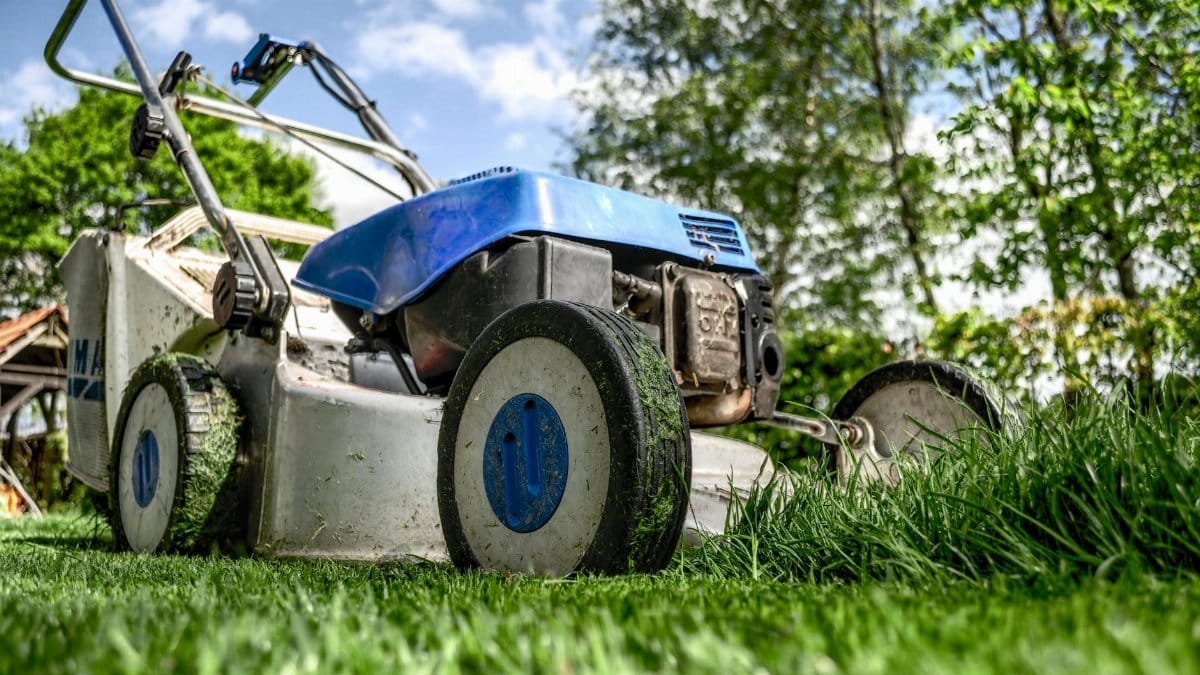
Walk down suburban streets in Phoenix or Austin these days, and a quiet revolution unfolds. Neat green lawns, once the hallmark of curb appeal, yield to gravel paths, succulents, and wildflower patches. Homeowners trade mowers for mornings free. This shift toward a low maintenance front yard reflects broader changes: busier lives, water shortages, and a rethink of beauty in arid times. No more endless weekends wrestling weeds or hauling hoses. Instead, landscapes that thrive on neglect, saving time, money, and the planet. As climate patterns shift, these gardens point to a practical future.
Shifting Away from Thirsty Lawns

Traditional front yards guzzle resources. A single lawn can demand 10,000 gallons of water weekly in summer, per estimates from water conservation experts. Yet alternatives bloom. Consider Sarah in Tucson, who ripped out her Bermuda grass three years back. “I used to dread hose duty,” she recalls. Now, agave and yucca stand sentinel, untouched by sprinklers.
Experts push natives first. Plants evolved here drink less, fight pests naturally. Switchgrass waves in Midwest winds; black-eyed Susans dot Eastern plots. The payoff? Yards that demand little beyond initial setup.
Native Plants: The Backbone of Ease

Why natives? They sync with local soil, rain, bugs. No fertilizers needed. A report from the National Wildlife Federation highlights how these choices boost pollinators while slashing upkeep. Picture a front yard edged with coneflowers in Ohio. Bees buzz; weeds stay at bay.
Start small. Assess your zone via the USDA Plant Hardiness Zone Map. California gardeners lean on ceanothus; Texans favor salvia. Cluster them for impact. One forum post captured it: a homeowner marveled at purple blooms returning yearly, no fuss. These aren’t showy imports. They’re survivors.
Mulch Magic for Weed Control
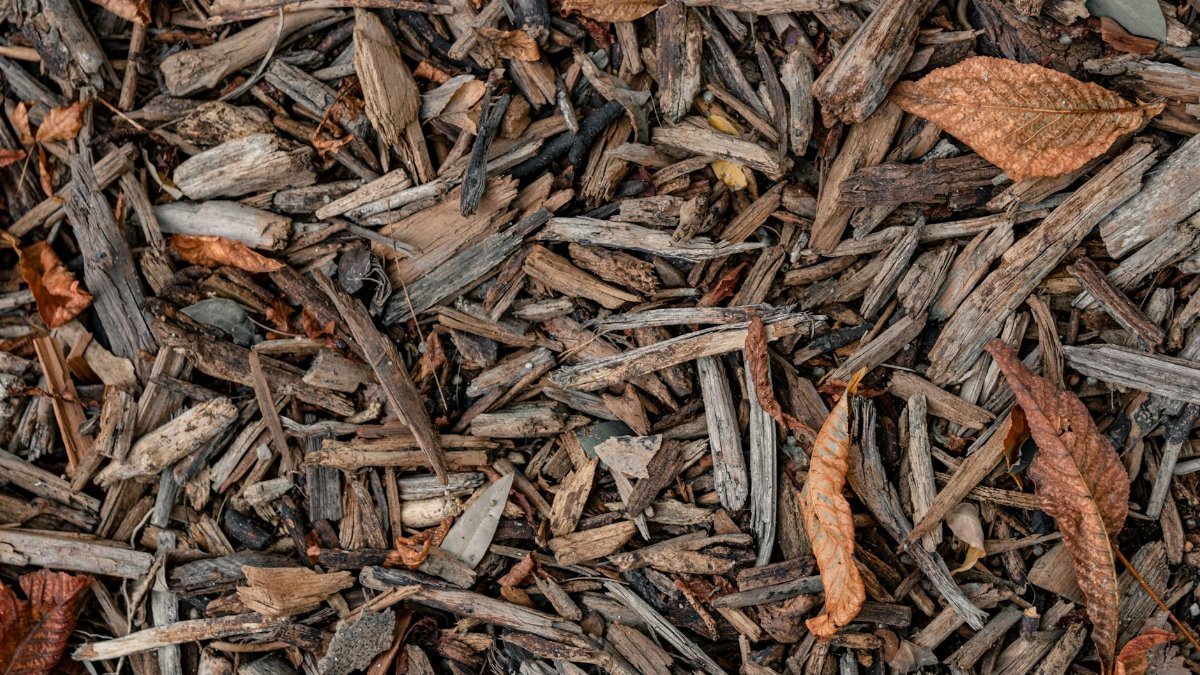
Bare soil invites trouble. Mulch changes that. Spread three inches deep—bark, gravel, or shredded leaves—and weeds surrender. It locks moisture, cools roots, feeds microbes. University extensions swear by it. Penn State’s guide notes mulch cuts watering by half.
Apply after planting. Refresh annually. In rainy Seattle, pine needles suffice. Desert dwellers pick river rock. Avoid volcano mulch; it harms trees. A simple layer transforms chaos into calm.
Hardscaping: Stones and Paths That Last
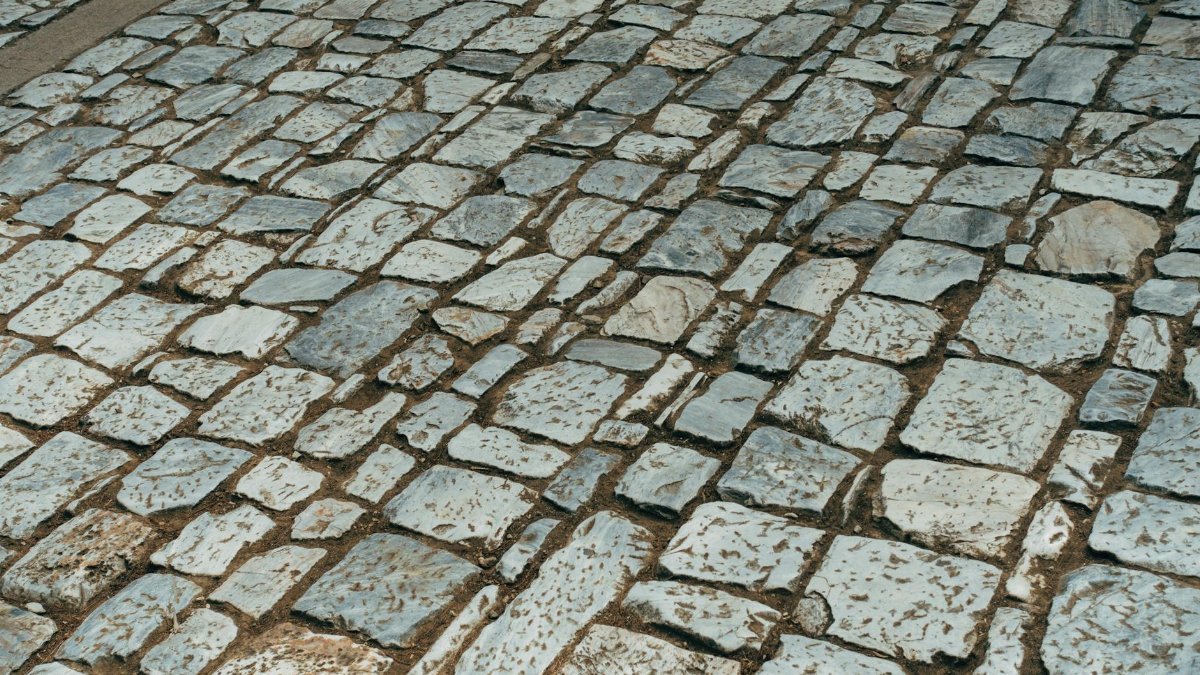
Plants alone won’t cut it. Integrate stone, pavers, boulders. These elements demand zero care. Create winding paths through decomposed granite. Add a dry creek bed for drainage flair. Costs? Under $5 per square foot often.
Blend with greens. Flank flagstone with lavender. It releases scent on breezes, no pruning required. In Colorado, xeriscape principles shine: group by water needs, minimize turf. See results in mature yards—timeless, textured.
Drought-Tolerant Stars to Plant Now

Select wisely. Sedums sprawl in poor soil. Yucca punctuates corners. Lavender shrugs off drought. For shade, ferns or hostas mimic wild edges. Full sun? Gaillardia blankets boldly.
Mix heights, colors. Evergreens like juniper provide winter bones. A 2022 extension bulletin from Colorado State University outlines seven steps: tough plants lead. Space properly; overcrowding breeds work.
Smart Watering Without the Hassle

Ditch daily sprays. Drip systems deliver deep, infrequent soaks. Timers sync with weather apps. Rain barrels catch downpours. The EPA WaterSense program reports 30% savings for retrofits.
Install low. Bury lines under mulch. Sensors pause during rain. New yards? Plan zones: high-water near house, low out front. Effort drops to monthly checks.
Year-Round Appeal Without Effort

Low maintenance doesn’t mean dull. Layer for seasons. Spring bulbs pierce gravel. Summer perennials peak. Fall grasses rustle gold. Winter? Bark textures intrigue.
Evergreens anchor. Ornamental grasses sway endlessly. Avoid annuals; they beg replanting. One Midwest family swapped roses for switchgrass. Snow dusts it dramatically—no shoveling blooms.
Avoiding Pitfalls in the Design Phase

Rookies overplant. Thugs like mint invade. Solution: raised beds or pots. Ignore sun patterns? Plants sulk. Map shadows first.
Cheap soil amendments fail long-term. Invest in compost once. Skip invasives; check lists from state extensions. Patience matters. Year one tests; year three dazzles.
The Financial Case for Simplicity

Upfront costs sting—$3,000-$10,000 for 1,000 square feet. But savings mount. No mower gas, fewer bills. Water alone: $300 yearly drop in dry zones. Property values? Natives boost appeal, per realtor surveys.
ROI hits fast. Tools gather dust. Time reclaims weekends. A Southern California convert tallied $1,200 saved in two years. Numbers persuade.
Environmental Wins Beyond the Fence
These yards heal. Less runoff carries chemicals to streams. Natives shelter birds, bats. Carbon sequestration rises with deep roots. Pollinators rebound.
Communities notice. HOA rules evolve; rebates flow. One neighborhood in Las Vegas went collective—now butterflies flock. Broader impact? Reduced urban heat islands. Small plots ripple outward.
Real Yards, Real Transformations

In Portland, a couple converted sod to meadow. Grasses mingle with alliums. Neighbors stopped by, inspired. “It’s wilder, but perfect,” the wife said.
Florida’s version: palms, ferns, coontie. Hurricane-proof, too. Online chatter echoes this—folks share before-afters, urging others. These stories prove it: low maintenance front yards work everywhere.
Getting Started This Weekend

Measure your space. Sketch roughly. Source plants locally—nurseries know natives. Rent a sod cutter if needed. Mulch last.
Hire help? Landscape pros specialize now. Budget wisely. Watch it settle. By next season, freedom reigns. The low maintenance front yard awaits—not a trend, a standard.

Natasha is the heart of our exploration into conscious connection. Applying principles from multiple counseling courses in her own life, she guides you to cultivate stronger, more joyful bonds.
Disclaimer
The content on this post is for informational purposes only. It is not intended as a substitute for professional health or financial advice. Always seek the guidance of a qualified professional with any questions you may have regarding your health or finances. All information is provided by FulfilledHumans.com (a brand of EgoEase LLC) and is not guaranteed to be complete, accurate, or reliable.