
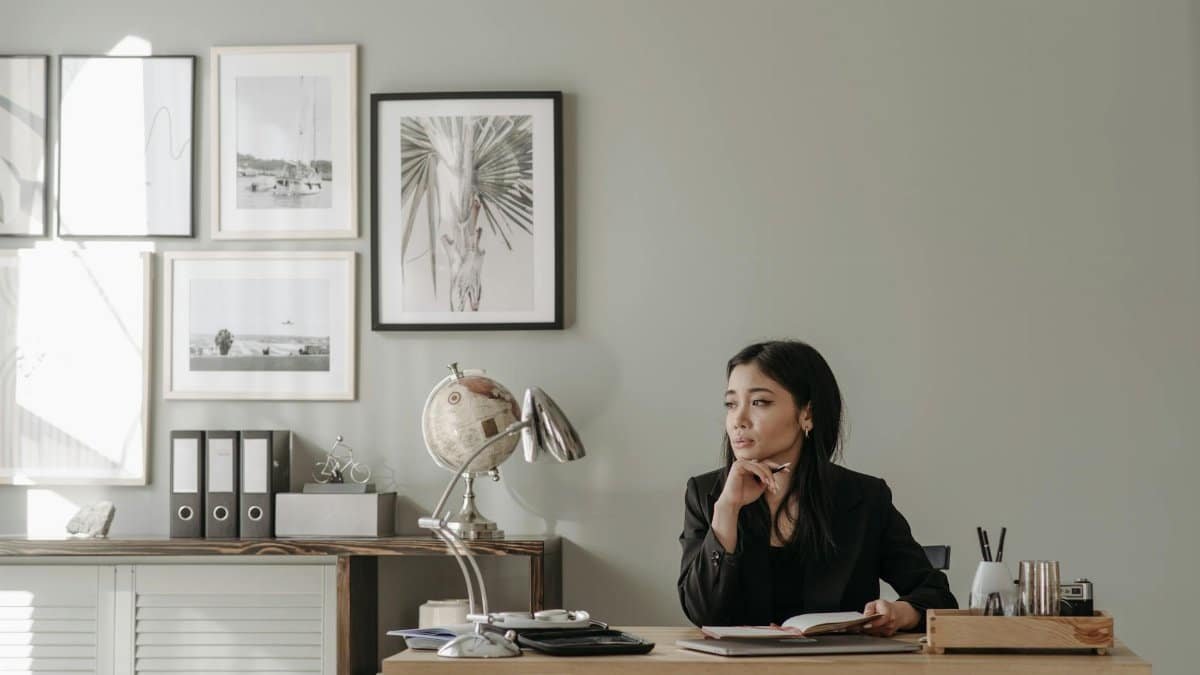
In quiet neighborhoods across suburban America, from the rolling hills of Colorado to the tree-lined streets of Raleigh, a new ritual has taken root. Homeowners are carving out sanctuaries amid the chaos of family life and endless notifications. These spaces, often called deep work home offices, promise uninterrupted focus in an era of perpetual pings. A software engineer in one such setup recently shared how transforming a spare bedroom changed everything. No longer battling Zoom interruptions or the hum of household appliances, she clocked hours of true concentration for the first time in years. As remote work solidifies— Pew Research notes 59 percent of workers with suitable jobs still telecommute at least partly —designing these havens becomes essential. Yet success hinges on more than aesthetics. It’s about engineering calm.
Selecting the Ideal Spot in Your Home

Location sets the tone before a single desk arrives. Far from the kitchen’s clatter or kids’ playroom roar, the best deep work home office hides in plain sight. Consider a converted closet, attic nook, or underused guest room. Distance from high-traffic zones reduces casual drop-ins. One architect turned a windowless hallway into her productivity core by adding foldable screens. She reports doubling her output on complex designs. Test potential areas first. Sit there for an hour during peak distraction times. Does the laundry buzzer intrude? Faint voices from the living room? If so, keep hunting. Basements work wonders for natural soundproofing, though ventilation demands attention. Upper floors often deliver quieter vibes, away from street noise or delivery trucks.
Soundproofing Without Breaking the Bank
Noise kills focus faster than a sudden email. Studies show even low-level sounds fragment attention, slashing productivity by up to 66 percent according to American Psychological Association research on workplace distractions. Start with heavy curtains over windows—blackout varieties double as thermal barriers. Add area rugs atop wall-to-wall carpeting to muffle footsteps. Acoustic panels, disguised as art, absorb echoes without screaming “office.” Door seals and weatherstripping block hallway chatter. For renters, adhesive hooks hold foam wedges that wedge doors shut softly. A writer in Seattle layered these tweaks over months. “It was like flipping a switch,” she said. Neighbors’ lawnmowers faded; her manuscript flowed.
Visual Cues That Signal Boundaries

Eyes wander, minds follow. A deep work home office thrives on sightlines that stay inward. Position your desk against a solid wall, not facing open doorways. Translucent room dividers or tall bookshelves create private zones in shared spaces. One parent in Austin rigged a sliding barn door from reclaimed wood, turning half the dining area into her fortress. Family members respected the “do not disturb” vibe instantly. Plants on shelves add green without cluttering views. Avoid facing mirrors—they multiply distractions. Subtle signage, like a small “Focused Time” placard, reinforces rules without confrontation. These barriers whisper rather than shout, training household rhythms around your needs.
Ergonomics Tailored for Endurance

Hours of deep work demand bodies that cooperate. Poor posture invites fatigue, derailing momentum. Invest in an adjustable standing desk—models under $300 from reputable brands let you alternate positions seamlessly. Pair it with a supportive chair that cradles the lower back.CDC guidelines on office ergonomics stress feet flat on the floor, screens at eye level. Monitor arms prevent neck strain. Footrests help shorter frames. A graphic designer in Chicago customized hers with risers and a gel wrist pad. “No more 2 p.m. slumps,” she noted. Feet. Test setups during trial sessions. Comfort fades; endurance builds empires.
Taming Digital Intruders at the Source

Screens seduce with infinite tabs. A true deep work home office neuters that pull. Wire your space—no Wi-Fi routers humming nearby. Use Ethernet for stability, apps like Freedom or Focus@Will to lock sites during sessions. Place your phone in a distant drawer, silenced and facedown. One executive coach described her ritual: a Faraday pouch swallows devices at session start. Notifications vanish; breakthroughs emerge. Dual monitors help—one for work, the other dark. Browser extensions like StayFocusd ration social media to five minutes daily. In 2026, with AI assistants everywhere, preset “do not disturb” modes on smart devices prove invaluable. Freedom isn’t absence; it’s deliberate control.
Lighting That Fuels Concentration

Harsh fluorescents buzz brains into fog. Natural light reigns supreme, streaming through south-facing windows where possible. Sheer blinds diffuse glare without dimming mood. For windowless spots, full-spectrum LED bulbs mimic daylight, combating seasonal slumps. Dimmable desk lamps target tasks precisely—warm tones for creative flows, cool for analytical grinds. A researcher in Boston layered these after reading how poor lighting hampers cognition. Her experiments sharpened; energy stabilized. Avoid overheads; they cast unflattering shadows. Smart bulbs on timers automate dawn simulations, easing into focus. Light shapes hours, turning potential drudgery into rhythm.
Layout Hacks for Unbroken Flow

Clutter chokes creativity. Streamline your deep work home office to one focal point: desk, chair, minimal shelves. L-shaped layouts keep references arm’s reach, no起身 needed. Vertical storage—wall-mounted cabinets—frees floor space, fostering openness. Cable organizers hide tangles under desks. One entrepreneur in Portland embraced minimalism, purging 70 percent of her setup. “Space breathed,” she recalled. Flow followed. Position inlets near doors for easy entry, exits for breaks. Symmetry calms the eye; asymmetry invites chaos. Mock layouts with tape before buying. Motion mirrors mind.
Nature’s Role in Sustained Attention

Biophilia whispers restoration. Incorporate plants—snake plants or pothos thrive in low light, purifying air subtly. A living wall backdrop absorbs sound while greening views.NIH-funded studies on indoor plants link them to 15 percent focus gains via reduced stress. Faux fiddle leafs work too, minus watering woes. Diffusers with lavender or eucalyptus oils ground senses without overwhelming. A consultant near Atlanta added a small fountain; white noise masked urban hums. Nature anchors wandering thoughts, rooting you deeper.
Rituals to Activate Deep Mode

Design alone falls short; habits seal it. Begin with a five-minute tidy-up cue. Brew coffee, light a candle, play ambient tracks—no lyrics. These anchor shifts from scatter to depth. One forum contributor detailed her “ignition sequence”: blinds up, playlist on, timer set. Distractions dissolved. End sessions with a walk or journal dump to clear mental residue. Track streaks in a notebook; momentum builds. In shared homes, communicate blocks via shared calendars. Rituals transform spaces into portals.
Budget Breakdowns and Scalable Upgrades

Deep work need not drain wallets. Core kit—desk, chair, rug—starts at $500. Prioritize acoustics first; panels cost $20 apiece. Scale with earnings: acoustic tiles, custom cabinetry. Track ROI via output logs. A freelancer scaled from thrift finds to pro gear over two years. Billable hours tripled. Shop sales at office chains or secondhand via apps. Versatility rules—foldables suit multi-use rooms.
Common Pitfalls and Quick Fixes

Overcrowding kills zones fast. Audit monthly; donate excess. Forgetting breaks breeds burnout—use 52/17 Pomodoro tweaks. Test noise apps like Decibel X for hidden leaks. Family resistance? Involve them in design for buy-in. One mom hosted a “office reveal” party; respect followed naturally.
Measuring Impact in Real Time

Success shows in output, not hours logged. Journal completed tasks pre- and post-setup. Apps like RescueTime quantify focus blocks. A marketer noted 40 percent more projects finished weekly. Adjust iteratively. In 2026’s hybrid world, these offices redefine balance, proving intention trumps square footage every time.

Natasha is the heart of our exploration into conscious connection. Applying principles from multiple counseling courses in her own life, she guides you to cultivate stronger, more joyful bonds.
Disclaimer
The content on this post is for informational purposes only. It is not intended as a substitute for professional health or financial advice. Always seek the guidance of a qualified professional with any questions you may have regarding your health or finances. All information is provided by FulfilledHumans.com (a brand of EgoEase LLC) and is not guaranteed to be complete, accurate, or reliable.