
In a pivotal shift for wellness practices, long-standing “soft-care” techniques like breathwork are now being formally prescribed as measurable medicine for the nervous system. This development, highlighted in January 2026, marks breathwork nervous system regulation entering mainstream healthcare. Doctors are turning to these methods to address stress responses and autonomic balance, backed by quantifiable metrics. Source: Happi. The move bridges ancient practices with modern science, offering patients targeted tools without pharmaceuticals.
Soft-Care Anchors Gain Medical Credibility

Breathwork has long served as a cornerstone of soft-care routines—simple, accessible practices rooted in mindfulness and body awareness. These anchors, once dismissed as fringe wellness fads, now carry formal weight. Healthcare providers prescribe them explicitly for nervous system modulation. The change reflects growing evidence that controlled breathing directly influences sympathetic and parasympathetic activity, calming overactive stress pathways. No longer optional add-ons, these techniques integrate into treatment protocols, providing patients with immediate, drug-free relief.
Breathwork Targets the Nervous System Directly

At its core, breathwork engages the autonomic nervous system, the body’s involuntary control center for fight-or-flight and rest-and-digest states. Slow, deliberate inhales and exhales shift dominance toward parasympathetic activation, reducing cortisol spikes and heart rate variability disruptions. This nervous system recalibration happens in minutes, making breathwork a precise intervention. Medical adoption stems from its ability to deliver consistent physiological changes, positioning it as a frontline tool against chronic tension and anxiety disorders.
From Anecdotal to Measurable Medicine

What sets this era apart is measurability. Advances in biofeedback devices and wearable tech now quantify breathwork’s effects—tracking metrics like heart rate variability (HRV), respiratory sinus arrhythmia, and vagal tone. These data points prove nervous system shifts in real time, satisfying clinical standards for evidence-based prescribing. For instance, a session of diaphragmatic breathing can boost HRV by observable margins, offering doctors hard numbers to justify recommendations. This rigor transforms breathwork from subjective self-help into prescribed therapy.
Research from the National Center for Complementary and Integrative Health supports relaxation techniques like breath control for stress management, showing impacts on nervous system markers.NCCIH Overview.
January 2026: The Formal Prescription Milestone

January 2026 stands as a turning point. Reports from industry sources detail how protocols are updating to include breathwork nervous system interventions as standard options. Clinics and physicians issue specific regimens—say, four-seven-eight breathing or box techniques—for conditions tied to nervous dysregulation. This timeline aligns with broader U.S. healthcare pushes toward integrative care, where non-invasive methods cut reliance on medications amid rising mental health demands.
Happi’s Role in Spotlighting the Shift

Happi, a key voice in personal care and wellness publishing, broke the story on this evolution. Their coverage underscores how breathwork’s prescription status validates years of soft-care advocacy. The publication highlights provider testimonials and early adoption cases, framing breathwork as a scalable solution for nervous system health. This endorsement from a respected outlet accelerates wider acceptance, influencing policy and practice nationwide.
Practical Prescribing in U.S. Clinics

U.S. doctors now outline breathwork protocols with the precision of any medication. Patients receive guided sessions via apps or in-office training, tailored to baseline nervous system assessments. Common directives include daily 10-minute practices to sustain gains in autonomic balance. This approach proves cost-effective, empowering individuals to self-regulate without ongoing visits. Early feedback shows high compliance, as techniques require no equipment and fit busy schedules.
Implications for Patient Outcomes
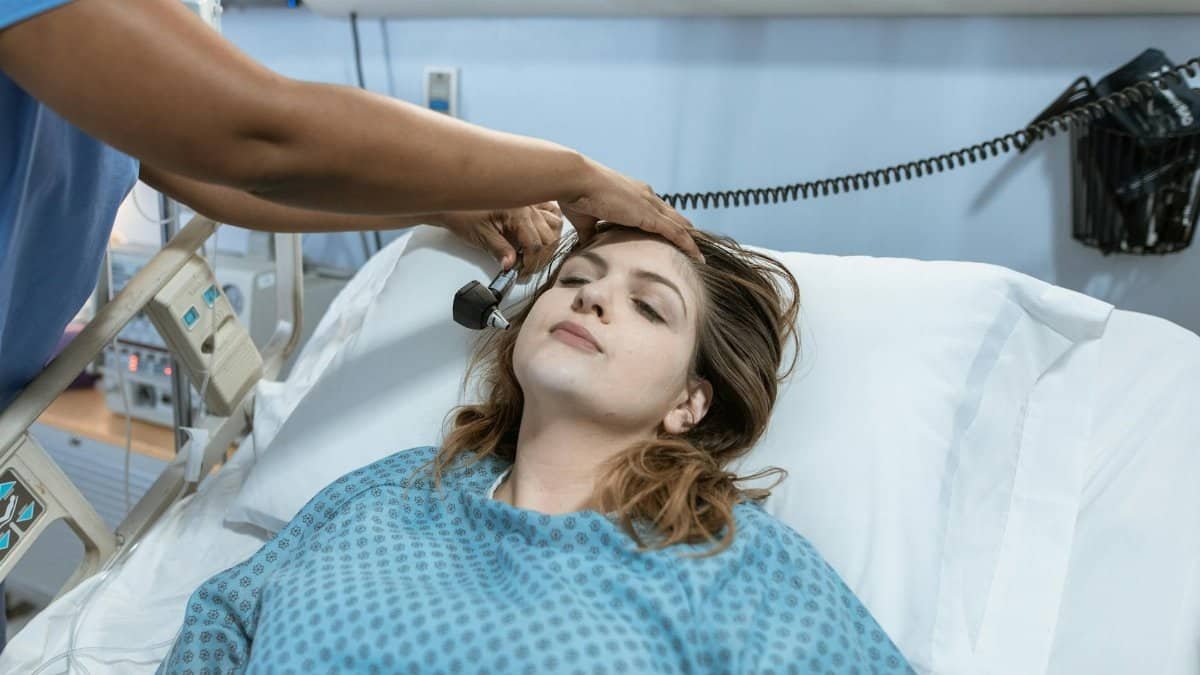
For patients, formal recognition means faster access to breathwork nervous system tools through insurance-covered sessions or referrals. Those with hypertension, insomnia, or PTSD-like symptoms benefit most, as measurable improvements reduce symptom severity. The prescription model ensures follow-up via progress tracking, closing the loop on efficacy. This patient-centered pivot promises broader nervous system resilience across demographics.
Harvard Health details how breath control techniques quell stress responses, aligning with prescription trends.Harvard Health on Breath Control.
Broader Integration into Healthcare Trends

This breathwork milestone signals a larger trend: soft-care methods scaling to nervous system medicine. U.S. guidelines increasingly favor hybrid approaches, blending breathwork with cognitive therapies for holistic regulation. By 2026, expect expanded training for providers, standardizing delivery. The focus remains on accessibility—anyone can learn basics, yet prescriptions add accountability and customization. Happi’s insights point to sustained momentum, reshaping how America addresses daily stressors.
Challenges and Next Steps Ahead

While promising, rollout faces hurdles like provider education and standardization. Not all clinicians grasp biofeedback metrics yet, slowing adoption. Patients must commit to consistency for lasting nervous system benefits. Looking forward, 2026 developments will likely include more peer-reviewed validations, solidifying breathwork’s place. Happi’s reporting sets the stage for accountability, urging rigorous tracking of outcomes nationwide.
The prescription of breathwork as nervous-system medicine ushers in an era of empowered health management. Rooted in measurable science, it honors soft-care traditions while meeting modern demands. As U.S. practices adapt, millions stand to gain from this simple yet profound tool.

A certified hypnotherapist, Reiki practitioner, sound healer, and MBCT trainer, Christopher guides our journey into the spiritual dimension, helping you tap into a deeper sense of peace and awareness.
Disclaimer
The content on this post is for informational purposes only. It is not intended as a substitute for professional health or financial advice. Always seek the guidance of a qualified professional with any questions you may have regarding your health or finances. All information is provided by FulfilledHumans.com (a brand of EgoEase LLC) and is not guaranteed to be complete, accurate, or reliable.