
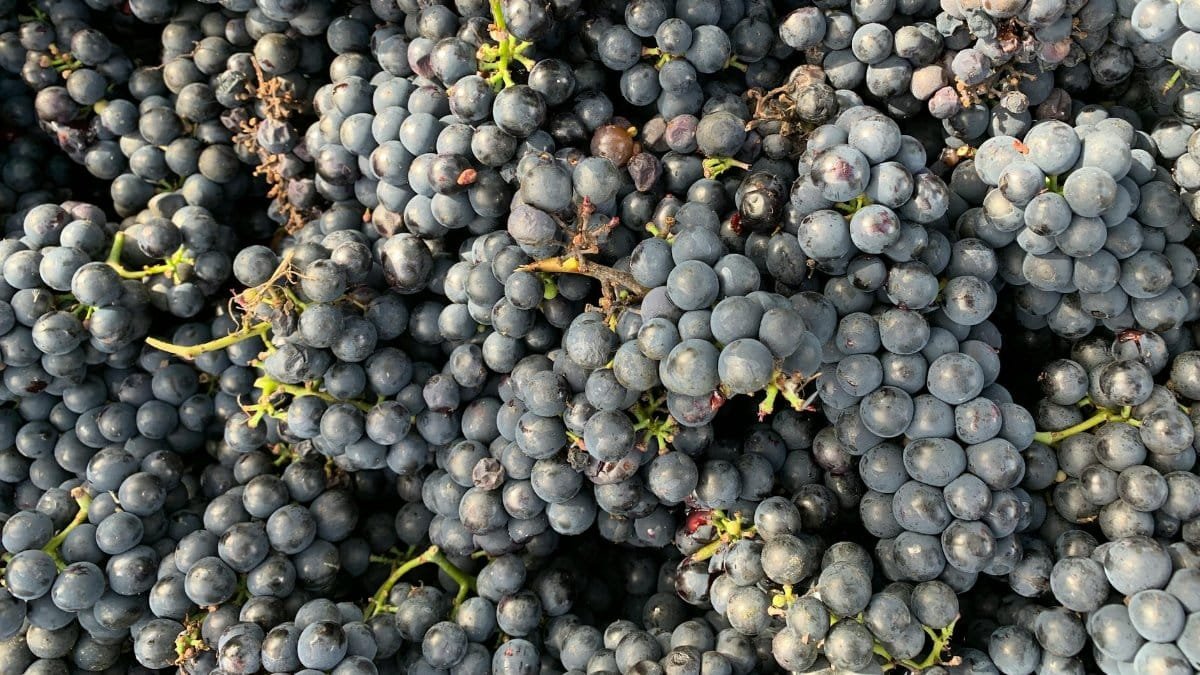
Sunlight filtered through the vines in California’s Napa Valley last harvest season, illuminating rows where workers paused to discuss the subtle differences in the grapes. Conventional organic methods had sustained the farm for years, yet a shift to biodynamic practices sparked animated talk of deeper soil vitality and more resilient plants. This moment captured a growing curiosity among American growers: biodynamic farming benefits, which extend holistic rhythms into agriculture, versus the structured rules of traditional organic certification.
Roots of a Holistic Approach
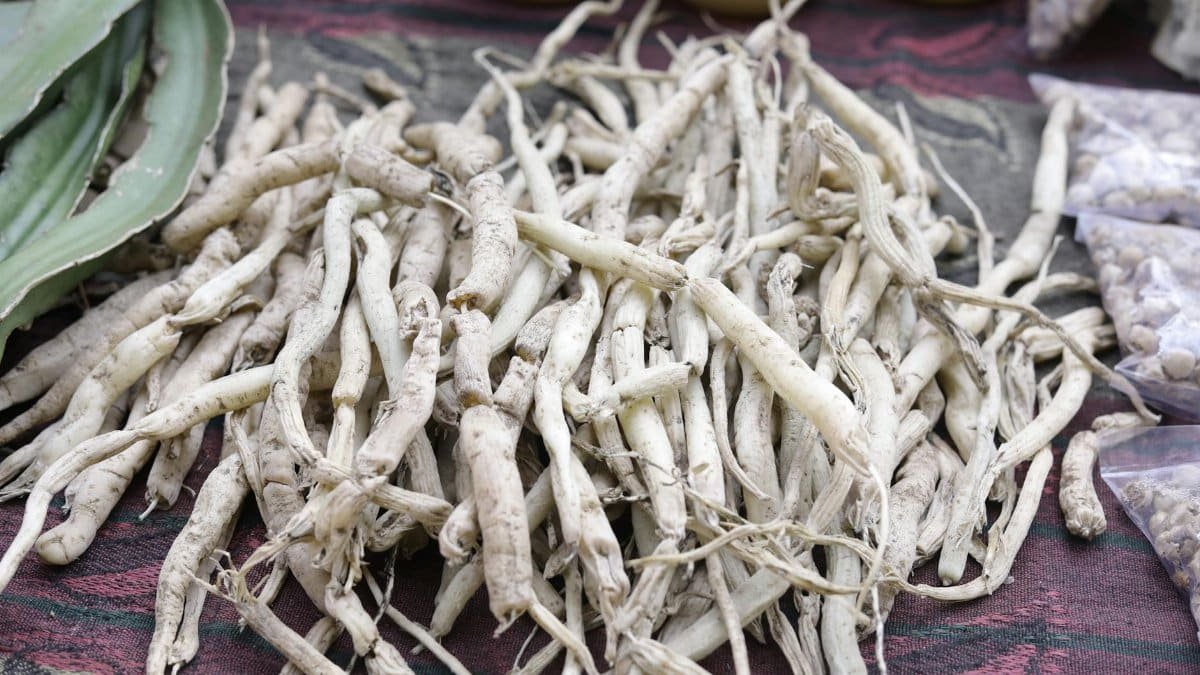
Rudolf Steiner’s 1924 lectures in Koberwitz laid the groundwork for biodynamic farming. He warned of soil exhaustion from chemical reliance and proposed a farming system attuned to cosmic and earthly cycles. Unlike traditional organic agriculture, which bans synthetic pesticides and focuses on soil fertility through compost and crop rotation, biodynamics incorporates herbal preparations, lunar planting calendars, and a farm-as-organism philosophy. Farms treat the entire operation as a self-sustaining entity, recycling animal manure and fostering biodiversity.
Steiner’s ideas spread slowly. By the 1980s, Demeter certification emerged, demanding stricter standards than USDA Organic. Today, over 6,000 farms worldwide practice biodynamics, with hundreds in the U.S. embracing its promises.
Soil Health: The Foundation Deepens

Healthy soil anchors any farming debate. Traditional organic methods rebuild topsoil effectively, but biodynamic practices accelerate this. Preparations like fermented manure buried in cow horns—Preparation 500—stimulate microbial life, enhancing humus formation. A long-term study at the Rodale Institute shows organic systems outperforming conventional, yet biodynamic adherents report even richer biology.
Observe a biodynamic field after rain: earthworms proliferate, water infiltrates swiftly, reducing erosion. Farmers note fewer compaction issues, attributing it to the rhythmic stirring of preparations that “dynamize” them before application. This isn’t magic; it’s biology amplified.
Biodiversity Blooms on Biodynamic Land
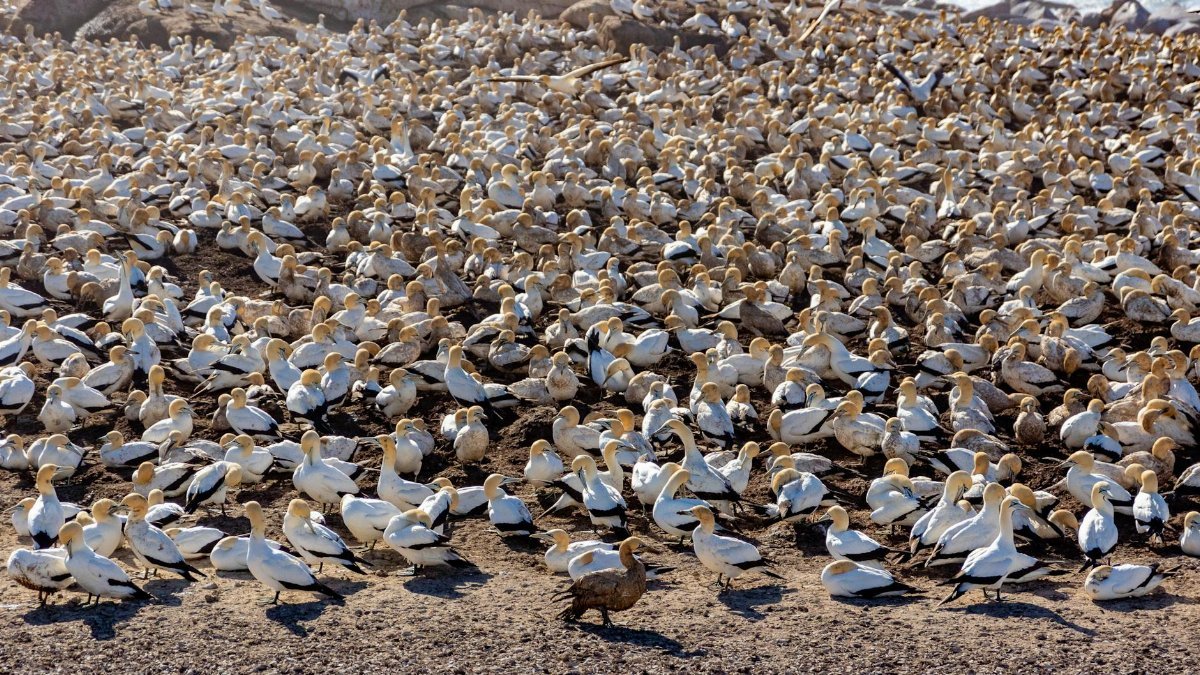
Picture hedgerows buzzing with pollinators amid diverse crops. Traditional organic farms boost insects and birds by avoiding toxins, but biodynamics mandates 10% of land for wild areas and companion planting synced to planetary influences. A review in Agronomy for Sustainable Development highlights biodynamic systems fostering greater species richness than standard organics. Link to the study abstract underscores how these practices create resilient ecosystems.
One Midwest grain farmer shared recently in an online forum: “The bees returned first, then the hawks. Yields stabilized without the sprays organics sometimes need.” Such observations align with data showing biodynamic fields harboring 20-30% more beneficial insects.
Nutritional Edges in the Harvest
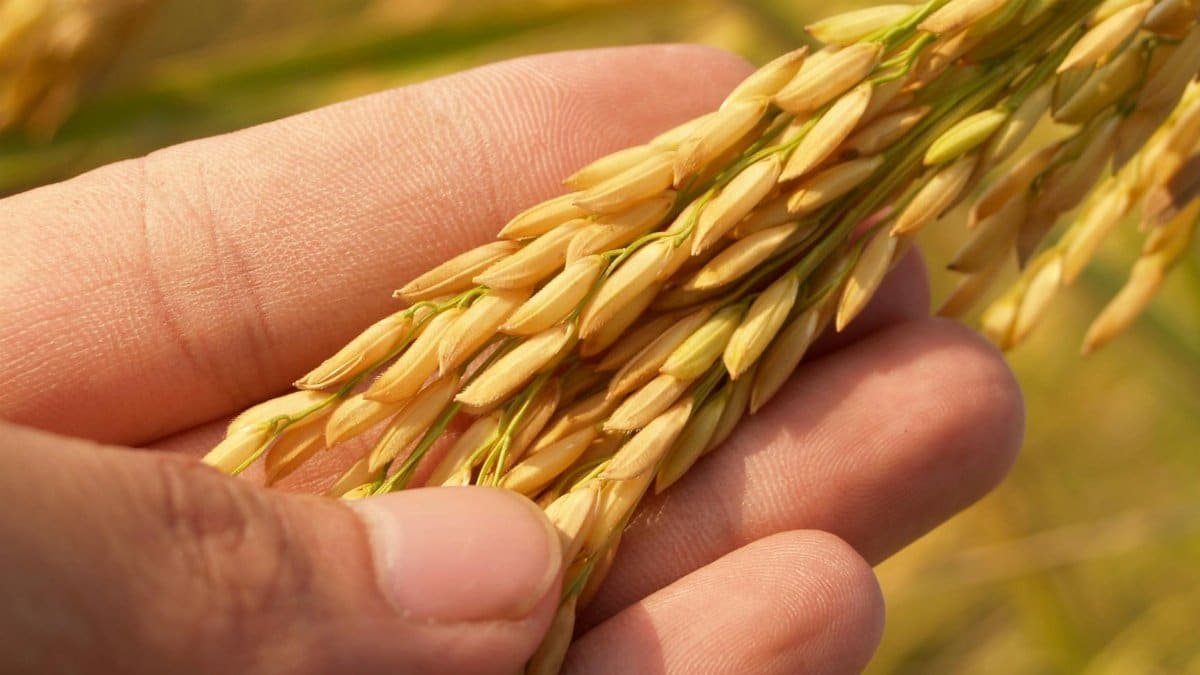
Do biodynamic crops taste better or pack more nutrients? Taste panels often prefer them, citing complexity from mineral uptake. A PubMed-analyzed study on biodynamic grapes found higher antioxidant levels versus conventional, with organics trailing slightly. Access the research here.
Nutrient density varies by soil vitality. Biodynamics emphasizes compost teas and silica sprays, potentially elevating polyphenols and vitamins. Consumers at farm stands rave about the flavor, fueling demand for labels like those on Frog’s Leap Winery bottles.
Climate Resilience Takes Root
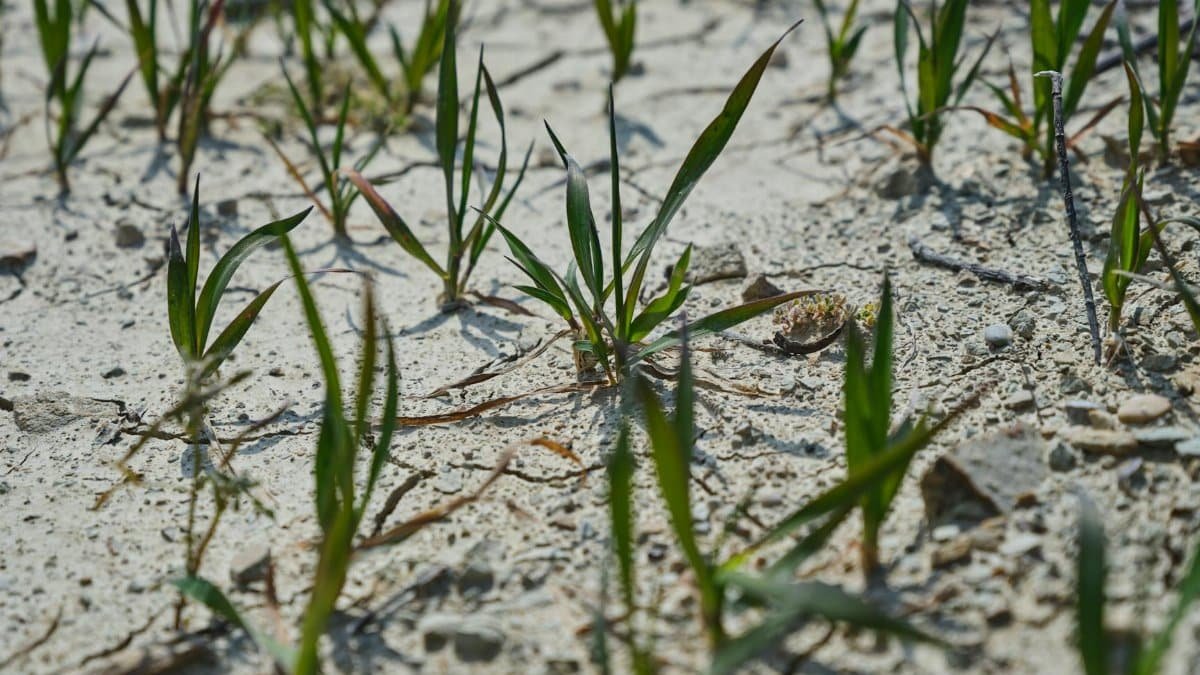
As droughts scorch the West and floods swamp the East, resilience matters. Traditional organics weather stresses well through diverse rotations, but biodynamics adds carbon sequestration via deep-rooted cover crops and biochar-like preparations. USDA data on organic carbon storage applies, yet biodynamic farms report 15-20% higher sequestration rates in independent audits.
During California’s 2021 heat dome, biodynamic almond orchards fared better, their mycorrhizal networks channeling water efficiently. This edge stems from viewing the farm as a living metabolism, not just compliant plots.
Comparing Certifications: Rules Versus Rhythm

USDA Organic certification verifies inputs: no GMOs, no synthetics, annual inspections. It’s accessible, covering 1% of U.S. farmland. Biodynamic certification, via Demeter or Biodynamic Demeter, layers on: animal integration, no off-farm inputs beyond 10%, and those signature preparations. For details on organic standards, see the USDA site.
Critics call biodynamics pseudoscience for lunar ties, yet yields match or exceed organics in trials. The difference? Organics regulates what not to do; biodynamics prescribes what to enliven.
Farmer Perspectives from the Field
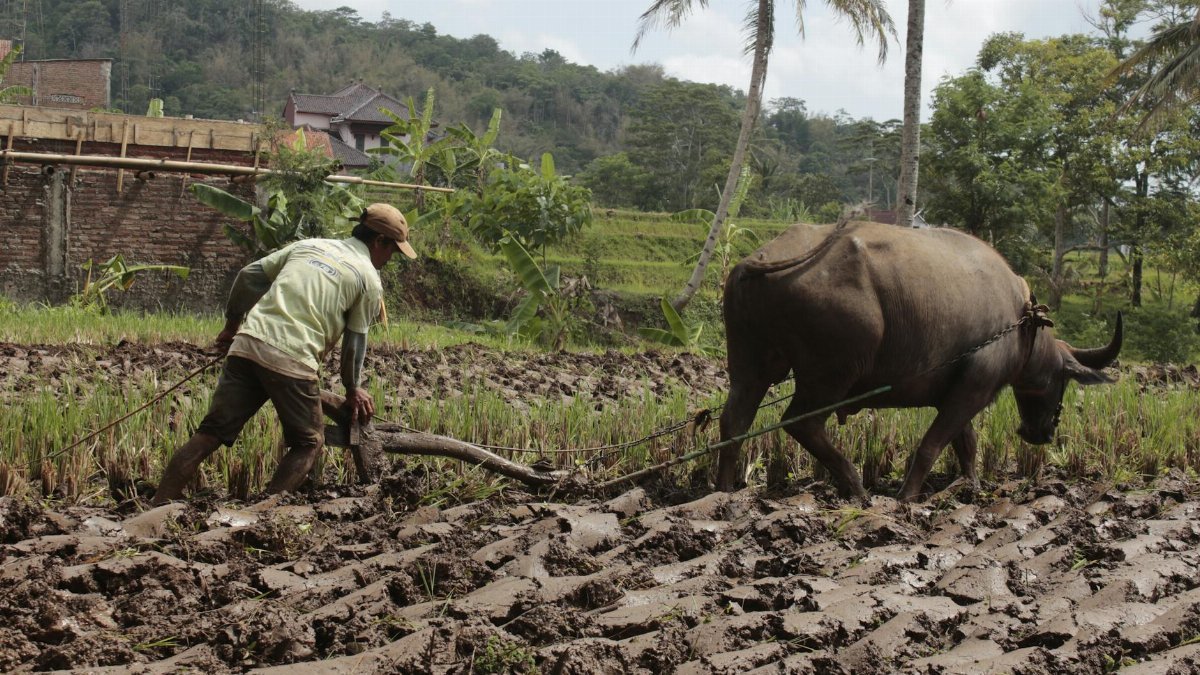
In Vermont’s rolling hills, a dairy farmer converted to biodynamics a decade ago. “Organic kept us afloat, but biodynamic farming benefits showed in herd health—no antibiotics needed,” he recalls. Milk tests richer in omega-3s. Similar stories emerge from Texas cotton fields, where boll weevils declined naturally.
Not all transitions smooth. Initial yields dip as soil awakens, demanding patience organics skip with quicker fixes like imported amendments.
Economic Realities and Market Pull

Premium pricing defines biodynamics: wines fetch 20-50% more, vegetables command farmers’ market highs. The Organic Trade Association notes organics at $62 billion in 2022 sales; biodynamics rides this wave, niche but expanding. Yet startup costs deter smallholders—preparations require labor.
Large operations like White Oak Pastures integrate it profitably, blending meat, grains, and tours. Investors eye the 5-10% annual growth in regenerative markets.
Challenges and Skeptical Voices

Not everyone buys in. Scientists question cosmic influences, demanding randomized trials. A few show no statistical superiority, though qualitative benefits persist. Regulatory hurdles loom: USDA won’t certify preparations as organic.
Still, biodynamic farming benefits shine in flavor profiles and ecosystem services, even if yields occasionally lag organics in wet years.
Toward a Merged Future

Hybrids emerge: Regenerative Organic Certified blends biodynamic ethos with organic rigor. As climate pressures mount, expect more cross-pollination. Vineyards in Oregon already fuse calendars with cover crops, harvesting praise and profits.
Agronomy evolves. What Steiner envisioned—a farm in harmony—may redefine sustainability, pulling traditional organics toward deeper biodynamic farming benefits. American eaters, sensing the difference on their plates, drive the change.

With a career spanning investment banking to private equity, Dominik brings a rare perspective on wealth. He explores how money can be a tool for personal freedom and positive impact, offering strategies for abundance that align with your values.
Disclaimer
The content on this post is for informational purposes only. It is not intended as a substitute for professional health or financial advice. Always seek the guidance of a qualified professional with any questions you may have regarding your health or finances. All information is provided by FulfilledHumans.com (a brand of EgoEase LLC) and is not guaranteed to be complete, accurate, or reliable.