
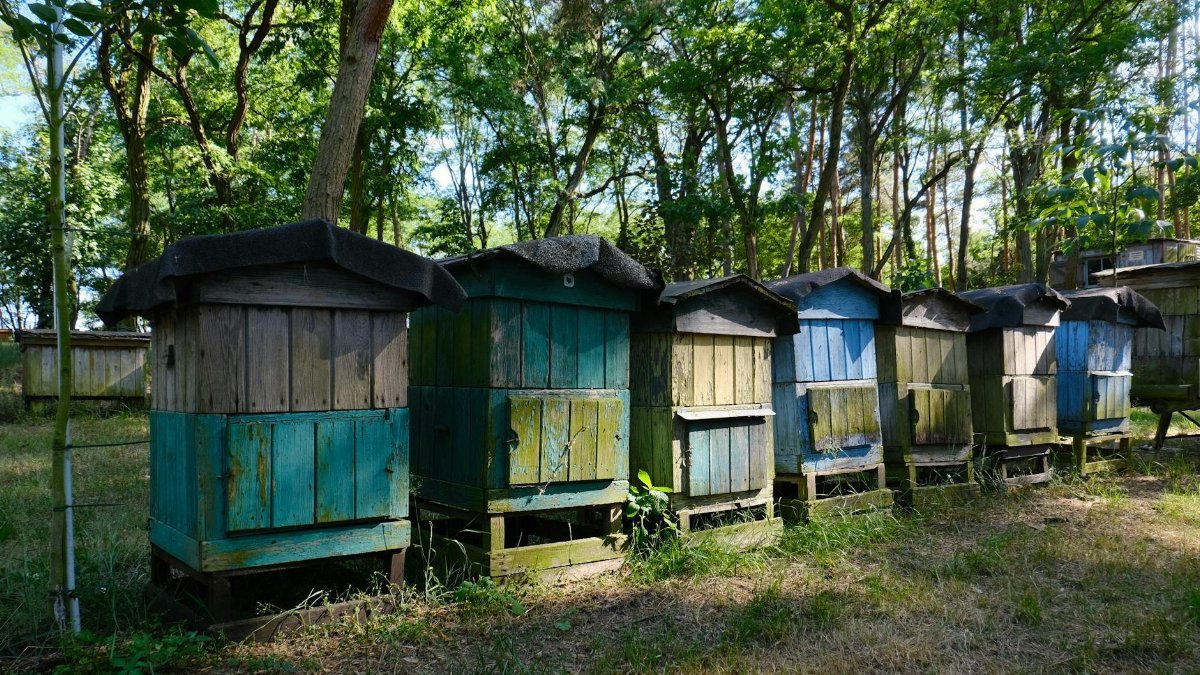
New data reveals backyard beekeepers now manage nearly 1 million hives nationwide, up 20% since 2020, according to the USDA’s Honey Bee Survey. This surge in hobbyists signals a grassroots push against colony collapse and food insecurity. A solid backyard beekeeping guide turns novices into honey harvesters, delivering fresh sweetness and pollination power right from urban lots. Experts say it’s easier than ever to start, with cities easing restrictions amid pollinator crises.
Why Americans Are Buzzing About Backyard Bees
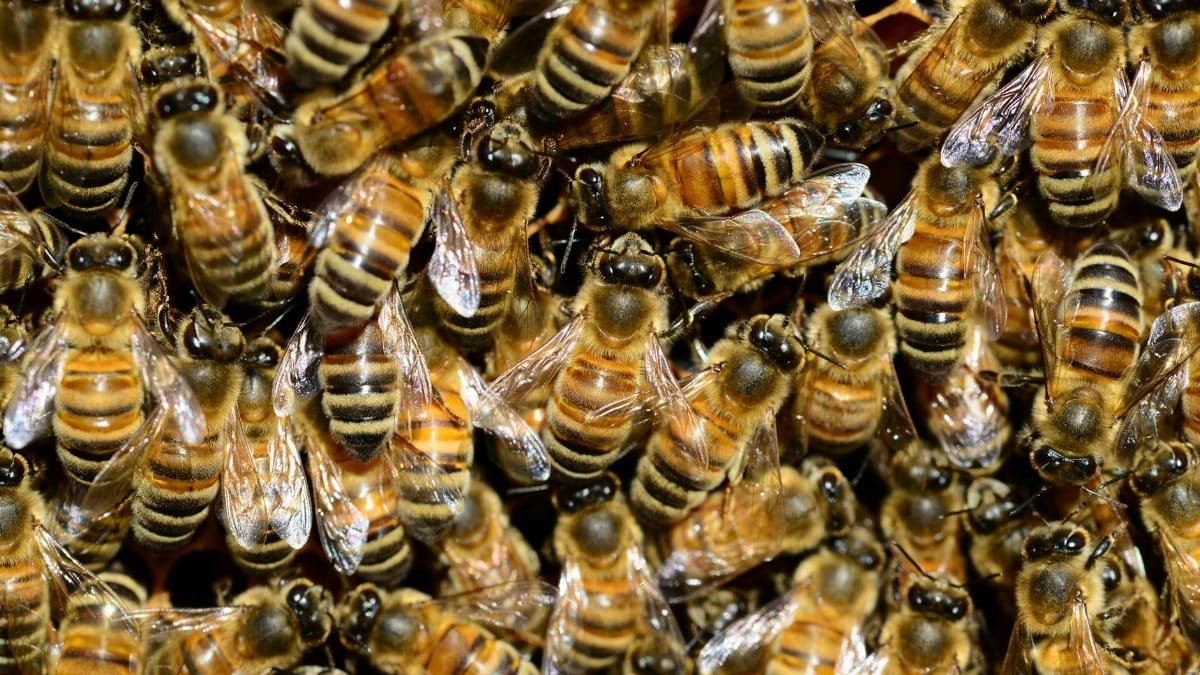
Urban pollination gaps drive the boom. Commercial bees can’t reach every neighborhood. Homeowners fill in, boosting local crops like apples and almonds. The American Beekeeping Federation notes hobbyists supply 40% of U.S. honey. Environmental wins draw crowds: one hive pollinates 300 million flowers yearly. City dwellers lead, from Los Angeles rooftops to Harlem stoops.
Gear Essentials for First-Timers

Start cheap. A beginner kit runs $200-$400. Key items: Langstroth hive ($150), veiled suit ($50), smoker ($20), and hive tool ($10). Buy from reputable suppliers like Mann Lake. No need for fancy tech. A basic uncapping knife and extractor handle honey harvest. Stock sugar syrup for winter feeds. Total setup? Under $500 for two hives.
Pick Your Bees Wisely
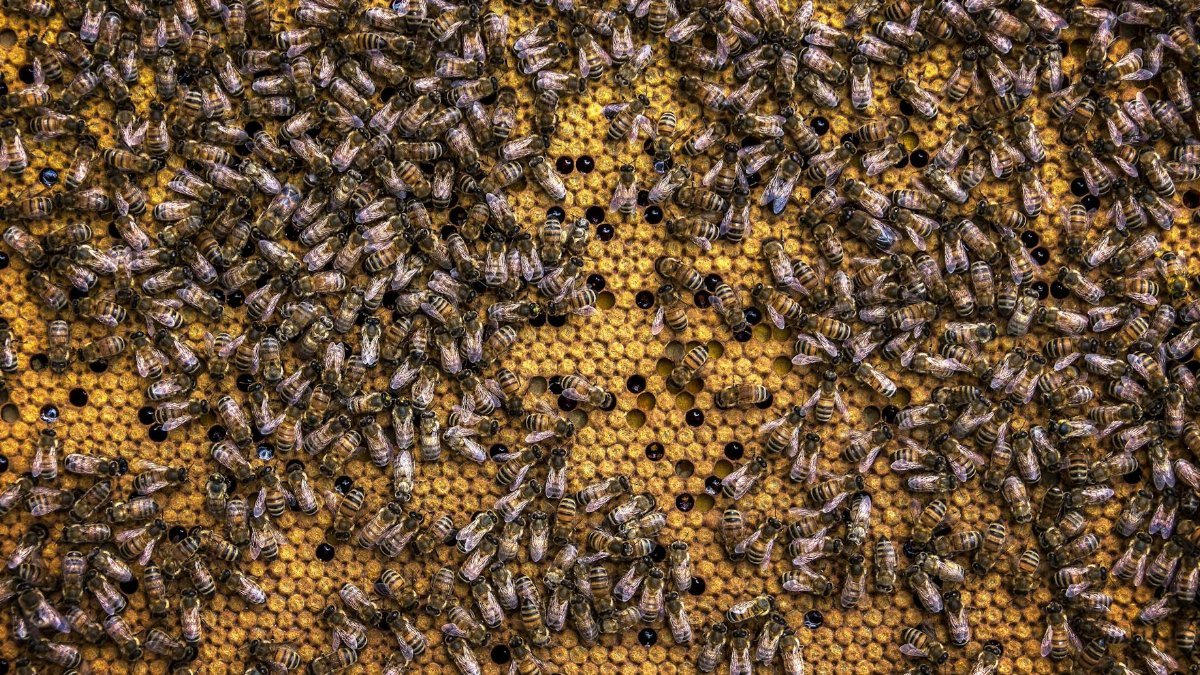
Carniolan or Italian strains thrive for newbies. They’re gentle, productive overwinterers. Order 3-pound packages online from certified breeders ($150 each). Avoid aggressive Africanized hybrids east of Texas. Queens matter most—opt for marked, mated ones. Install in spring when temps hit 55°F. Local clubs match bees to climates.
Hive Setup in 30 Minutes
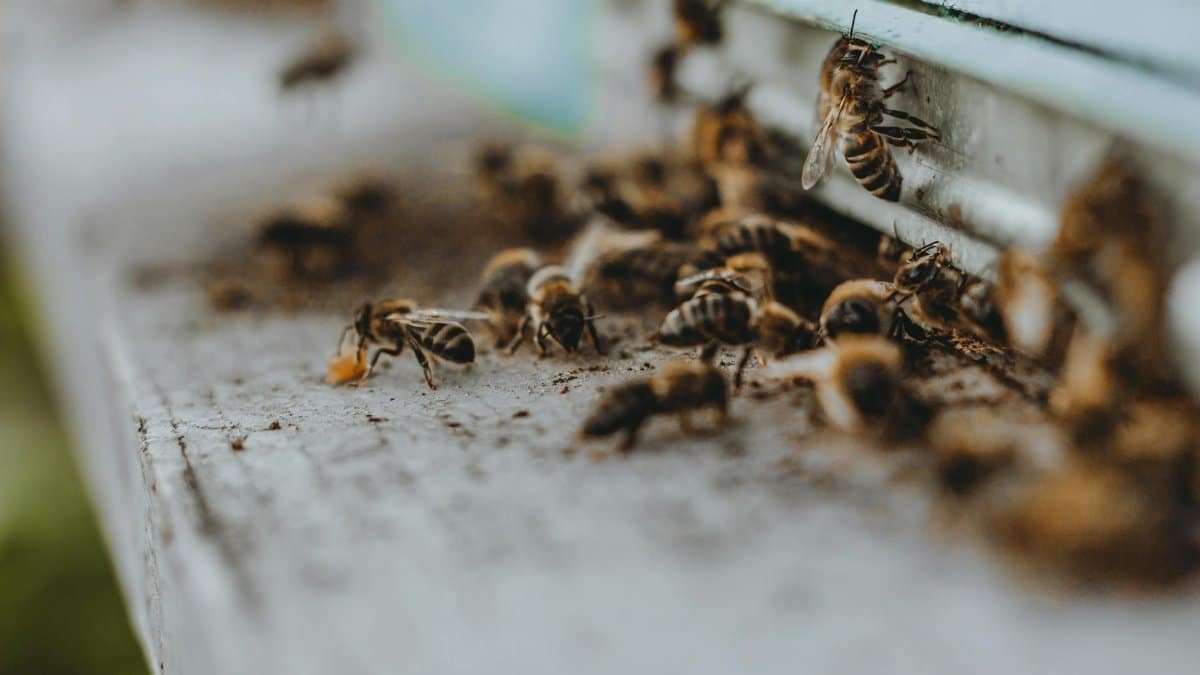
Site selection first: sunny, wind-sheltered spots near water. Elevate hives 18 inches off ground on cinder blocks. Assemble frames, add foundation wax. Shake bees into hive on warm afternoons. Feed 1:1 sugar syrup first week. Check for queen cells after three days. Secure entrances against robbers. Boom—your apiary lives.
Seasonal Maintenance Routine
Spring: inspect weekly for swarm cells. Add supers as honey flows. Summer: control mites with oxalic acid drips. Fall: combine weak hives, treat varroa. Winter: insulate, ventilate. Log inspections in a notebook. Feed pollen patties if forage lacks. Pros spend 1 hour weekly. Apps like HiveTracks track health.
Harvest Time: Sweet Rewards

Wait till supers weigh 60+ pounds. Twist-off full frames. Uncapp with hot knife, spin in extractor. Strain, bottle. Yield? 30-60 pounds per hive yearly. Taste varies by forage—clover yields light gold. Sell surplus at farmers markets for $8/pound. Pure profit after year one.
Legal Hurdles and City Rules

Check zoning. New York allows four hives on lots over 2,500 square feet. California mandates 10-foot setbacks. Register with state ag departments. HOA fights pop up—petitions work. No federal license needed. Join leagues like the Eastern Apiculture Society for advocacy. Fines rare if neighbors informed.
Health Perks Beyond the Jar

Honey fights allergies, per Penn State Extension. Raw versions pack antioxidants. Beekeepers report less stress tending hives. Pollination ups garden yields 30%. Kids learn STEM through observation. Therapy programs use apiaries for veterans.
Dodging Rookie Mistakes

Overfeed kills bees—ease off syrup. Ignore mites? Colony crashes. Harvest too soon empties stores. Wear full gear first stings. Don’t peek daily; stress builds. Scout varroa weekly with alcohol washes. Backup queens ready. Veteran keepers swear by mentorship—find clubs on BeeCulture.com.
Backyard beekeeping guides empower anyone to join the hive revolution. With colonies rebounding and honey flowing, this hobby packs economic, ecological punch. Grab gear, bees arrive soon. America buzzes sweeter.

With a career spanning investment banking to private equity, Dominik brings a rare perspective on wealth. He explores how money can be a tool for personal freedom and positive impact, offering strategies for abundance that align with your values.
Disclaimer
The content on this post is for informational purposes only. It is not intended as a substitute for professional health or financial advice. Always seek the guidance of a qualified professional with any questions you may have regarding your health or finances. All information is provided by FulfilledHumans.com (a brand of EgoEase LLC) and is not guaranteed to be complete, accurate, or reliable.