

Is a biodegradable packaging guide the fast track for small businesses to kill off single-use plastics? New data from Nielsen shows 78% of global consumers prioritize sustainable packaging, forcing brands to adapt or lose market share. This beginner’s guide breaks it down: from materials to costs and regulations. Small operators like coffee shops and e-commerce startups are leading the charge, slashing waste while boosting loyalty. Here’s how to get started without the greenwashing hype.
What Counts as Biodegradable Packaging?
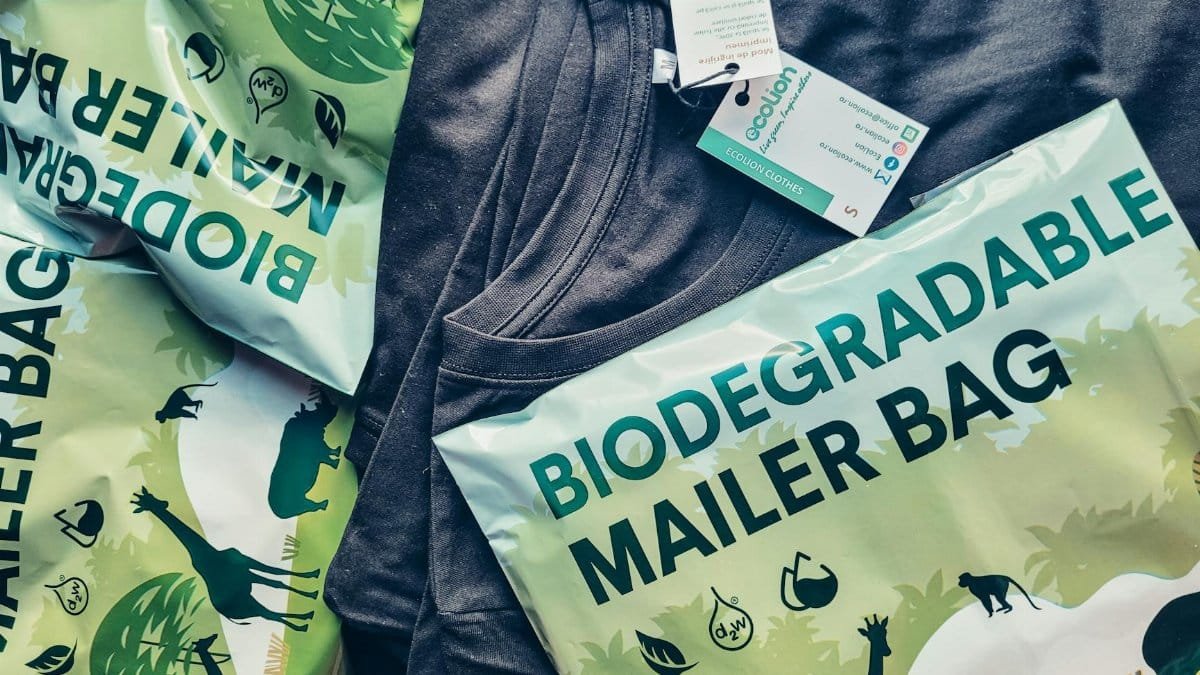
True biodegradable packaging breaks down naturally through microbes in soil or compost, typically within months. Unlike regular plastics that linger for centuries, these options mimic nature’s cycle. Think plant-based films or molded pulp from sugarcane bagasse. The key? It must fully decompose into water, CO2 and biomass without toxic residue. Misleading claims abound, so verify claims against standards like ASTM D6400.
Why Small Businesses Need This Now

Plastic bans hit U.S. cities from New York to California in 2023, with more states eyeing fees on non-biodegradable wraps. Consumer backlash is fierce: a Nielsen report pegs eco-packaging as a top purchase driver. Small firms gain an edge, cutting disposal costs by up to 30% while appealing to millennials who shun polluters.
Top Materials for Everyday Use
Start with starch-based foams from corn or potato—perfect for peanuts or trays. Mycelium, mushroom roots grown into molds, offers cushioning strength rivaling Styrofoam. Seaweed films seal food pouches, dissolving in water. For boxes, recycled paperboard coated with chitin from shellfish works. Each suits budgets: starch blends cost pennies per unit at scale.
Essential Certifications Explained
Don’t buy unverified “bio” labels. Seek BPI Compostable certification, proving breakdown in commercial facilities. OK Compost Home means backyard viability. TUV Austria OK Biodegradable flags soil-safe options. These stamps build trust and dodge lawsuits over false ads, as seen in recent FTC crackdowns on vague claims.
Cost Reality Check for Starters

Expect 20-50% higher upfront costs than plastic, but payback hits in 6-12 months via waste savings and premium pricing. A 500-unit run of bagasse clamshells runs $0.15 each versus $0.08 for foam. Bulk buys drop that to parity. Grants from USDA or state green funds offset switches—check eligibility early.
Step-by-Step Switchover Plan

Assess needs: tally current volume and waste streams. Source samples from suppliers like Eco-Products. Test durability—drop, moisture, shelf life. Pilot with 10% of orders, gather feedback. Scale with printers for custom branding. Track metrics: diversion rates and customer surveys. Full rollout in 90 days keeps momentum.
Success Stories from the Trenches

Brooklyn bagel shop owner Jamal Ruiz swapped foam for bagasse and posted 15% sales growth in three months, crediting Instagram buzz. Online candle seller Lena Hart used mycelium mailers, slashing returns from damage. Both cite loyal repeaters drawn by the eco-angle. Their wins mirror a McKinsey analysis of firms gaining 5-10% revenue lifts.
Pitfalls to Dodge

Greenwashing trips up newcomers: “oxo-degradable” plastics fragment but don’t biodegrade. Skip them. Home-compost claims often fail in real bins—stick to commercial-rated. Supply chains snag during peaks, so stock buffers. Train staff on handling to avoid contamination.
Regulations on the Horizon
Federal pushes ramp up. The BREAKS Act eyes producer responsibility for packaging waste. EU-style mandates loom by 2026, pressuring U.S. exporters. States like California require 65% recyclable or compostable by 2032. Early adopters lock in compliance and suppliers.
Your Next Moves
Grab a biodegradable packaging guide checklist today. Audit suppliers, apply for incentives, test one product line. The shift pays off in resilience amid bans and boycotts. Small businesses that act now lead the pack, turning trash into a competitive moat.

With a career spanning investment banking to private equity, Dominik brings a rare perspective on wealth. He explores how money can be a tool for personal freedom and positive impact, offering strategies for abundance that align with your values.
Disclaimer
The content on this post is for informational purposes only. It is not intended as a substitute for professional health or financial advice. Always seek the guidance of a qualified professional with any questions you may have regarding your health or finances. All information is provided by FulfilledHumans.com (a brand of EgoEase LLC) and is not guaranteed to be complete, accurate, or reliable.