
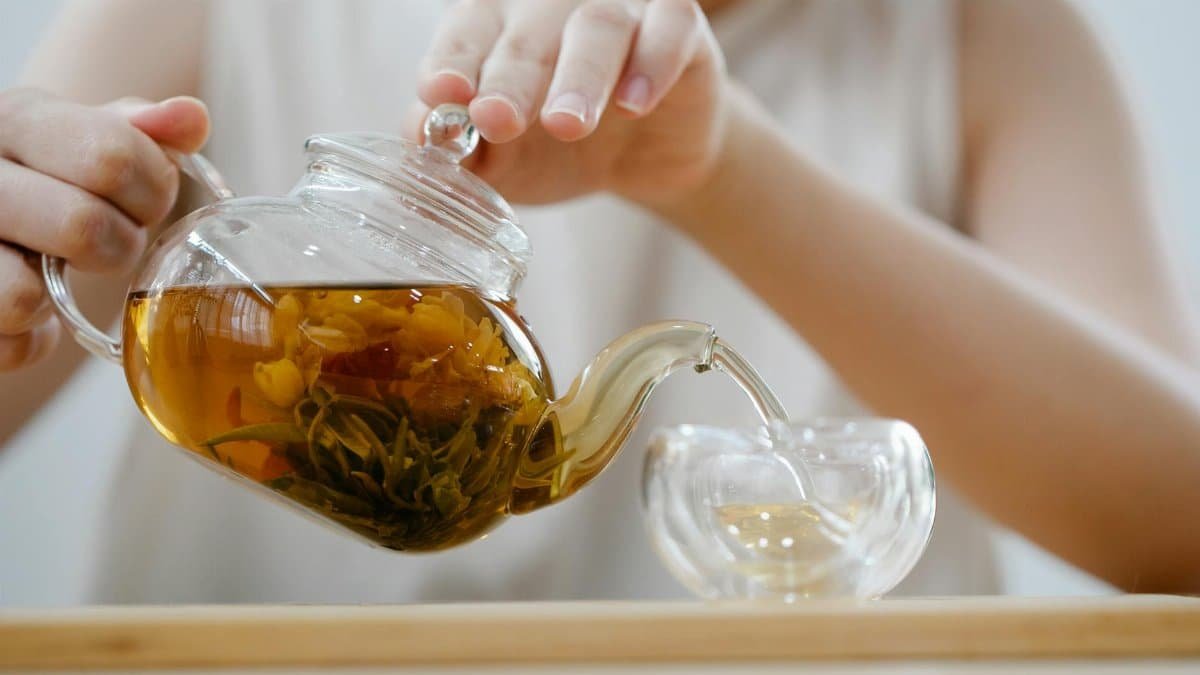
As the workday fades and screens dim, the evening tea ritual emerges like a soft anchor in a sea of digital distractions. This quiet practice, rooted in centuries-old traditions now revived amid modern stress, signals the body it’s time to unwind. A 2023 analysis by the Sleep Foundation shows 35 percent of adults battle falling asleep most nights, prompting a surge in such rituals. People brew chamomile or lavender infusions not just for flavor, but to cue relaxation hormones. Across suburbs and cities, from Seattle cafes to Atlanta homes, this habit builds a bridge from chaos to calm, fostering deeper sleep without pills or apps. Simple yet profound, it reclaims evenings one steaming cup at a time.
Why Rituals Reshape Our Evenings

Routines anchor us. They create predictability in unpredictable lives. Consider a midlevel manager in Chicago, kettle whistling at 8 p.m. sharp. She pours hot water over dried leaves, watches steam rise. That moment shifts her from emails to ease. Experts note rituals like this combat cortisol spikes. The brain craves cues. Light dims. Aromas fill the air. Tension eases.
This isn’t whimsy. Harvard Medical School researchers outline how consistent pre-sleep behaviors prime the body for rest in their guide on sleep hygiene basics. Evening tea ritual fits perfectly. It marks transition. No more scrolling. Just presence.
The Science Supporting a Steamy Sip
Herbal teas do more than soothe the throat. Compounds within them interact with our neurology. Chamomile’s apigenin binds to brain receptors, mimicking mild sedatives. A study in the Journal of Clinical Psychopharmacology confirmed this effect, easing anxiety in participants after weeks of nightly use. Link to the findings here.
Lavender and valerian follow suit. The National Center for Complementary and Integrative Health reports valerian roots improve sleep quality without grogginess. Their summary details the evidence. Caffeine-free brews lower heart rates. Body temperature drops slightly, ideal for slumber.
Skeptics question potency. Yet data persists. Trials show 20 to 30 minutes faster sleep onset for regular sippers.
Choosing Teas That Truly Calm
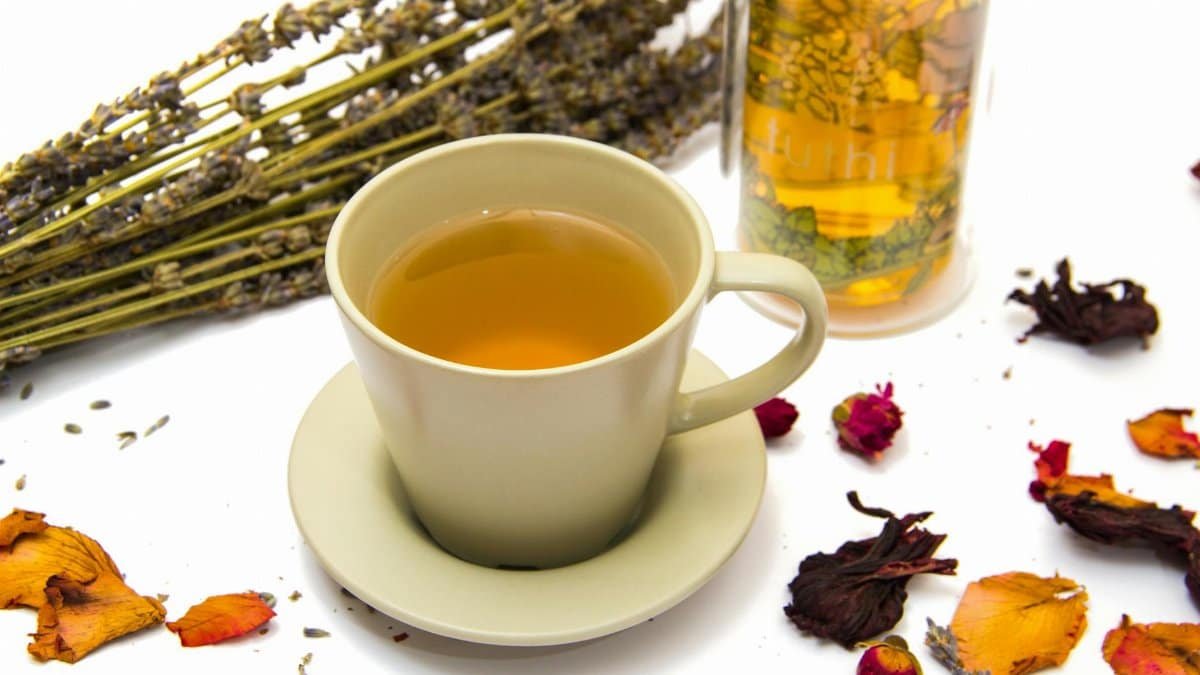
Not all teas equal. Skip black or green varieties post-3 p.m. Their stimulants linger. Opt for herbals. Chamomile leads, floral and apple-like. Passionflower follows, earthy with subtle sweetness. One forum contributor shared lately how it quieted racing thoughts after tough days, describing the first sip as “a hug from within.”
Experiment sparingly. Loose leaves offer purity over bags. Source organic to dodge pesticides. Steep times matter: four minutes for chamomile, five for peppermint blends. Taste profiles vary. Mild for beginners, robust for veterans.
Setting an Inviting Tea Space
Environment amplifies effect. Ditch the kitchen counter amid dishes. Seek a nook. Low light from a Himalayan salt lamp casts warm glows. Cushions invite lingering. Scented candles flicker nearby, but avoid overpowering ones.
Fabric softens edges. A wool throw over the chair. Cozy socks on feet. Soundscape optional: faint jazz or rain tracks. This setup transforms tea time into sanctuary. Bodies learn fast. Repeat nightly, and the space alone triggers unwind mode.
Step-by-Step to Your Ritual
Begin at consistent hour. 8 p.m. works for most. Boil fresh water. Measure one teaspoon leaves per cup. Pour. Cover to trap volatiles. Wait. Strain into favorite mug. Perhaps bone china, smooth against palms.
Sit upright first. Inhale deeply three times. Sip slowly. Let warmth trail down. Journal optional: three gratitudes scribbled quick. Fifteen minutes total. No phone. Bed follows. Precision builds habit.
Infusing Mindfulness into Each Brew
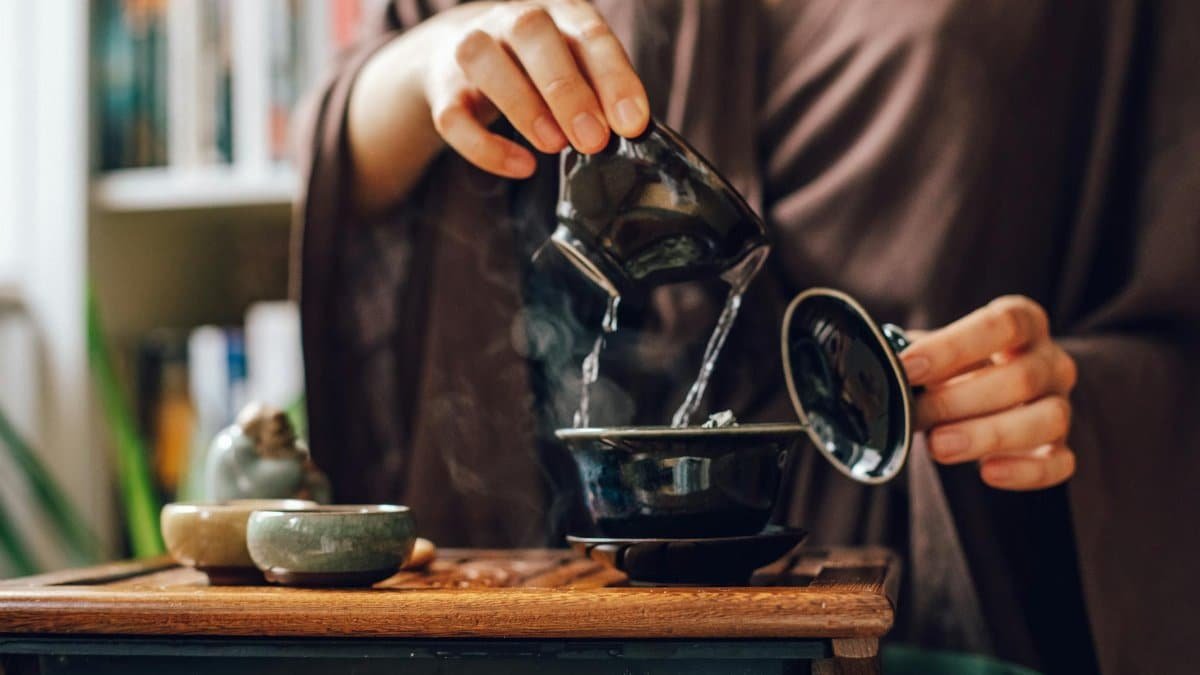
Tea transcends liquid. It invites awareness. Focus on leaf unfurling. Note water’s bubble song. Taste layers: first bitter, then sweet. Mind wanders? Gently return.
This mirrors meditation. Studies link such practices to reduced insomnia. Breath syncs with sips. Worries dissolve like spent leaves. Over time, clarity emerges. Evenings feel sacred, not rushed.
Pitfalls That Derail the Calm

Sugar sabotages. Sweeteners spike blood glucose, mimicking caffeine. Use honey sparingly, raw if possible. Oversteeping bitters brews. Time it.
Late starts fail. Post-9 p.m. disrupts circadian clocks. Pairing with screens? Worst move. Blue light battles tea’s tranquility. One anonymous account online captured it: “Added Netflix once; slept worse than ever.” Learn from errors. Adjust.
Real Lives Transformed by Tea
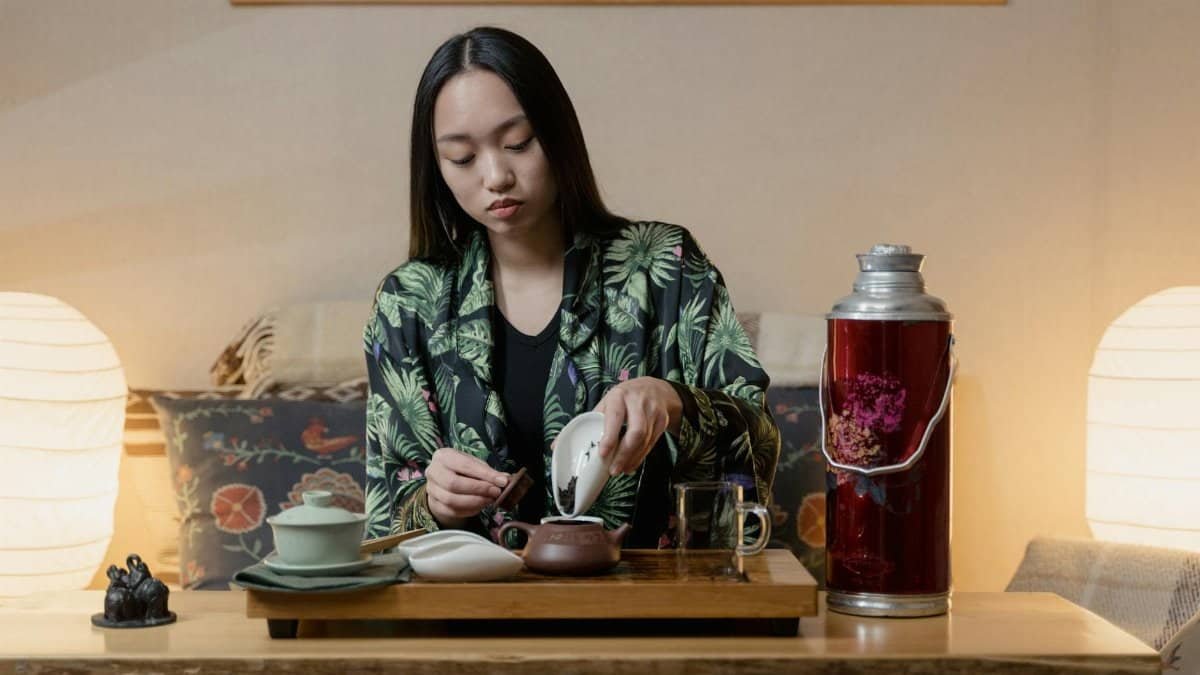
Sarah, a teacher from Denver, struggled with 4 a.m. wake-ups. Evening tea ritual changed that. “Chamomile at dusk, lights low. Now I drift off by 10:30,” she says. Months in, energy soars daytime.
Mark in Boston pairs it with reading. No more tossing. These snapshots echo broader shifts. Wellness coaches report clients sleeping sounder, moods steadier. Anecdotes stack, but patterns hold.
Layering Tea with Bedtime Allies
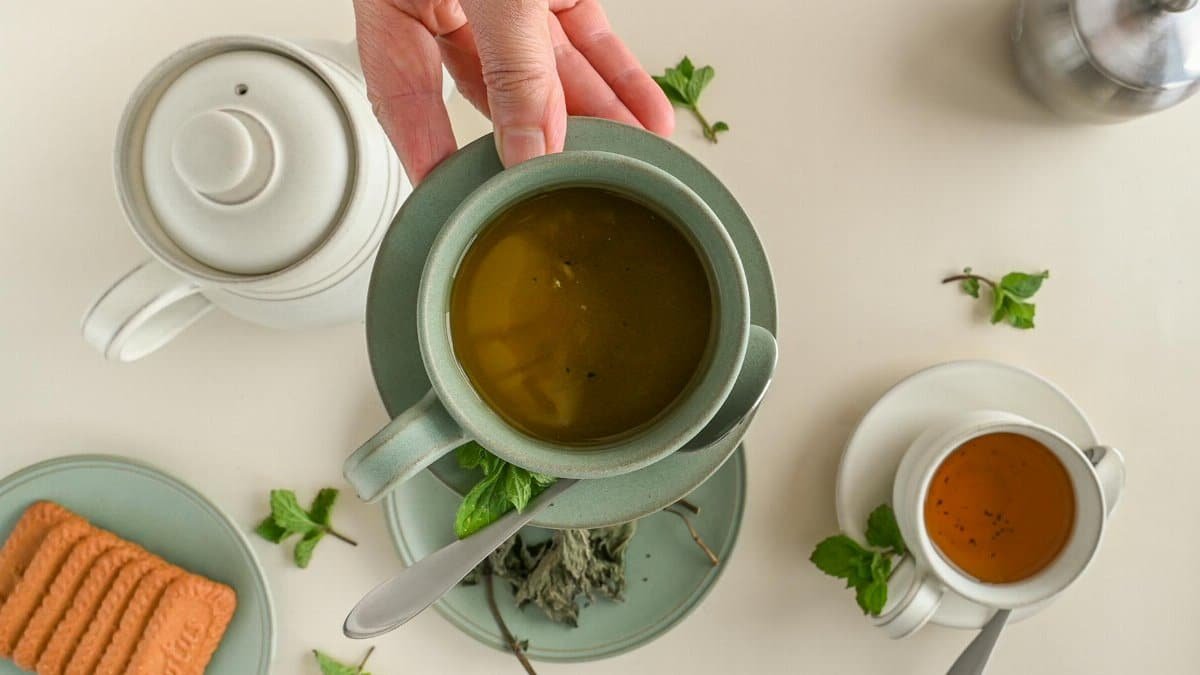
Tea shines solo, but allies enhance. Dim bulbs 30 minutes prior. Cool room to 65 degrees Fahrenheit. Stretch gently: forward folds release spine. No heavy meals after 7 p.m.
Journal dumps mental clutter. Apps track sleep if curious, but minimize reliance. CDC data underscores basics like these boost rest across populations. Their sleep facts page backs it.
Sustaining the Ritual Long-Term
Habits stick with grace, not force. Miss a night? Resume sans guilt. Track progress in notebook: sleep hours, mood scales. Tweak teas seasonally. Peppermint cools summer; rooibos warms winter.
Community helps. Share brews with family. Guests notice calmer hosts. Over year, it embeds. Deeper rest yields sharper days. Evening tea ritual evolves from chore to cornerstone.
In a world chasing quick fixes, this slow pour reclaims peace. Millions stand to gain. Start tonight. Kettle awaits.

A certified hypnotherapist, Reiki practitioner, sound healer, and MBCT trainer, Christopher guides our journey into the spiritual dimension, helping you tap into a deeper sense of peace and awareness.
Disclaimer
The content on this post is for informational purposes only. It is not intended as a substitute for professional health or financial advice. Always seek the guidance of a qualified professional with any questions you may have regarding your health or finances. All information is provided by FulfilledHumans.com (a brand of EgoEase LLC) and is not guaranteed to be complete, accurate, or reliable.