

In the midst of a brutal Midwest blizzard last week, retiree Tom Reilly grabbed his shovel and cleared his 82-year-old neighbor’s walkway without a second thought. That simple act snowballed into a block-wide help neighbors snowstorm push, with dozens pitching in. Stories like Tom’s underscore a surge in community solidarity as record snowfalls hit the U.S., turning potential isolation into neighborly lifelines.
Spot the Most Vulnerable First

Start by identifying who needs help most. Elderly residents, families with young kids, and those with disabilities top the list. The FEMA urges checking neighbors early in storms, especially shut-ins who rarely venture out. Knock politely or call. In Chicago, volunteers used Nextdoor apps to map at-risk homes, preventing hypothermia cases from spiking 20% last winter.
Master Safe Shoveling Techniques
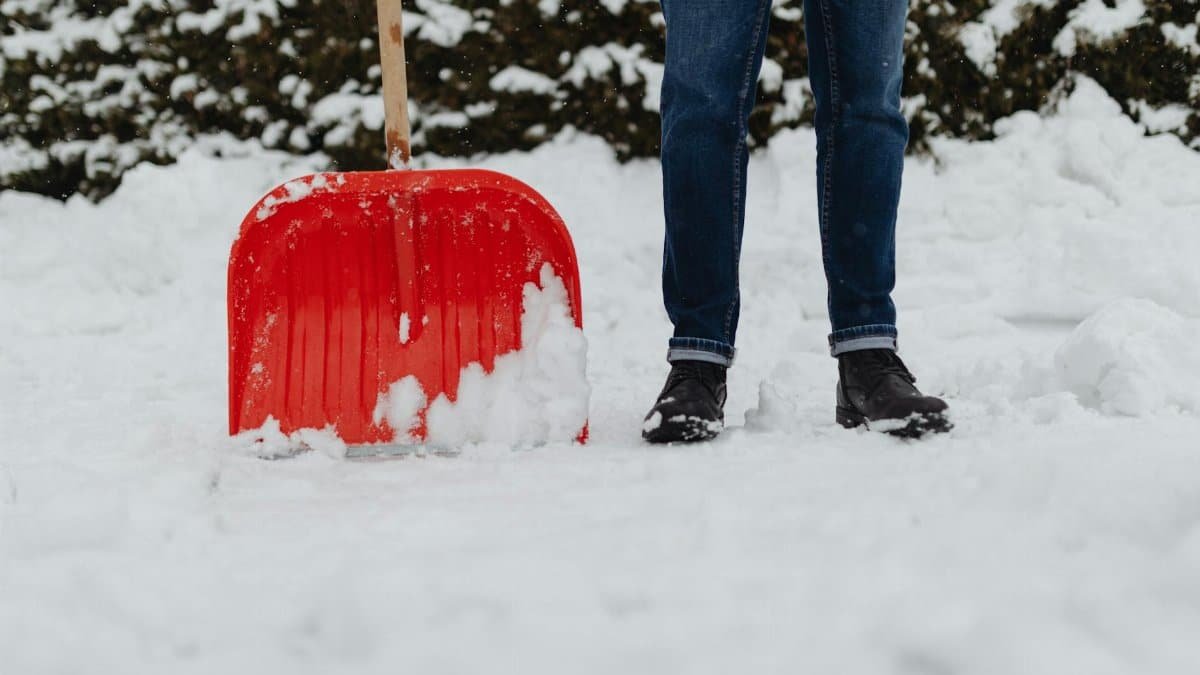
Shoveling driveways ranks as the top help neighbors snowstorm move, but do it right to avoid heart attacks—the leading shoveling injury. Warm up first, lift with legs, and take breaks. Experts recommend pushing snow over lifting. Cardiac events jump 30% during heavy snow, per hospital data. Outfit in layers, stay hydrated, and pair up for efficiency. One shoveled path can mean safe passage for ambulances.
Stock and Share Essential Supplies

Flashlights, batteries, blankets, and salt don’t hoard themselves. Assemble kits and offer extras to neighbors short on them. Pharmacies report sellouts during storms, so proactive sharing cuts shortages. Include pet food and baby formula. In Denver’s recent dump, shared generators kept isolated homes powered, averting blackouts for 50 families on one street.
Deliver Hot Meals and Snacks

Power outages kill stovetops, leaving fridges empty. Whip up soups, stews, or sandwiches and drop them off insulated. Use coolers for returns. Nutritionists note storm stress demands calories—volunteers in Boston fed 200 seniors last month via porch drops. Add notes like “Stay warm!” to boost morale. No-cook options: peanut butter, canned tuna, energy bars.
Clear Paths for Vehicles and Walkways

Driveways and sidewalks turn treacherous fast. Prioritize access for cars, mail carriers, and plows. Use plastic shovels to spare concrete. In New York, community crews widened paths, slashing slip-and-fall ER visits by half. Pro tip: sprinkle sand or kitty litter for traction. This keeps emergency routes open, a priority echoed by first responders nationwide.
Organize Group Efforts via Apps and Signs

Solo heroics fade; teams thrive. Apps like Nextdoor or Facebook groups coordinate shifts. Post signs: “Shoveling help available—text 555-1234.” In Minneapolis, a neighborhood chat rallied 40 volunteers, clearing 100 properties in hours. Leaders assign tasks by ability, ensuring no one overdoes it. Such networks amplify impact, fostering lasting bonds.
Provide Rides and Check-Ins
Not everyone drives in whiteouts. Offer rides to stores or pharmacies pre-storm. Post-blizzard, scout for stranded cars. Virtual check-ins via phone work too—loneliness kills as surely as cold. A Red Cross report shows regular calls reduced isolation deaths 15% in rural areas. Keep numbers handy; follow up daily.
Pet and Wildlife Assistance
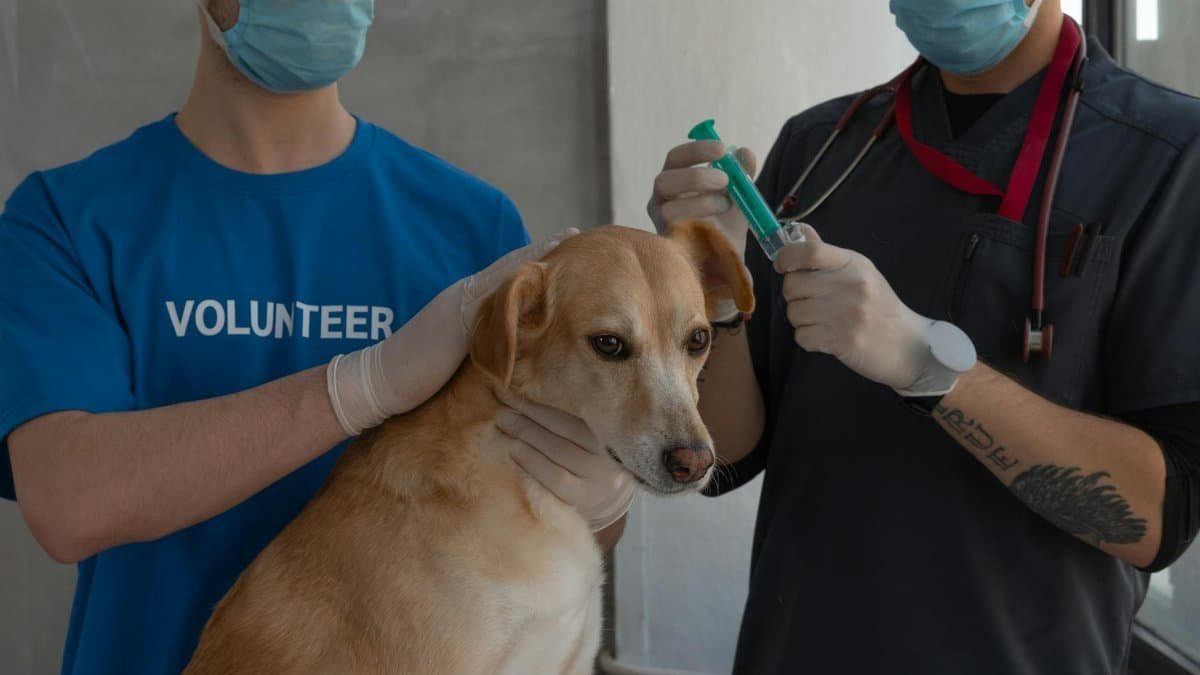
Fido hates snowdrifts. Clear pet paths and provide straw-insulated shelters for strays. Bird feeders draw feathered friends but avoid overfeeding to prevent dependency. Vets in snowy states see frostbitten paws surge—warm paws post-walk. Neighbors in Seattle pooled funds for pet food banks, sustaining hundreds of animals through the freeze.
Know When to Call Pros or Authorities
Good intentions hit limits. Icy roofs demand pros; downed lines scream “call utilities.” Dial 211 for resources or 911 for dangers. In Philadelphia, overzealous helpers caused accidents—stick to strengths. Train via free local workshops. Boundaries keep help neighbors snowstorm efforts safe and effective long-term.
These steps transform blizzards from ordeals into unity tests. As climate amps up extremes, communities leaning in save lives and spirits. Reilly’s block now meets weekly, proof that one shovel starts ripples nationwide.

A certified hypnotherapist, Reiki practitioner, sound healer, and MBCT trainer, Christopher guides our journey into the spiritual dimension, helping you tap into a deeper sense of peace and awareness.
Disclaimer
The content on this post is for informational purposes only. It is not intended as a substitute for professional health or financial advice. Always seek the guidance of a qualified professional with any questions you may have regarding your health or finances. All information is provided by FulfilledHumans.com (a brand of EgoEase LLC) and is not guaranteed to be complete, accurate, or reliable.