
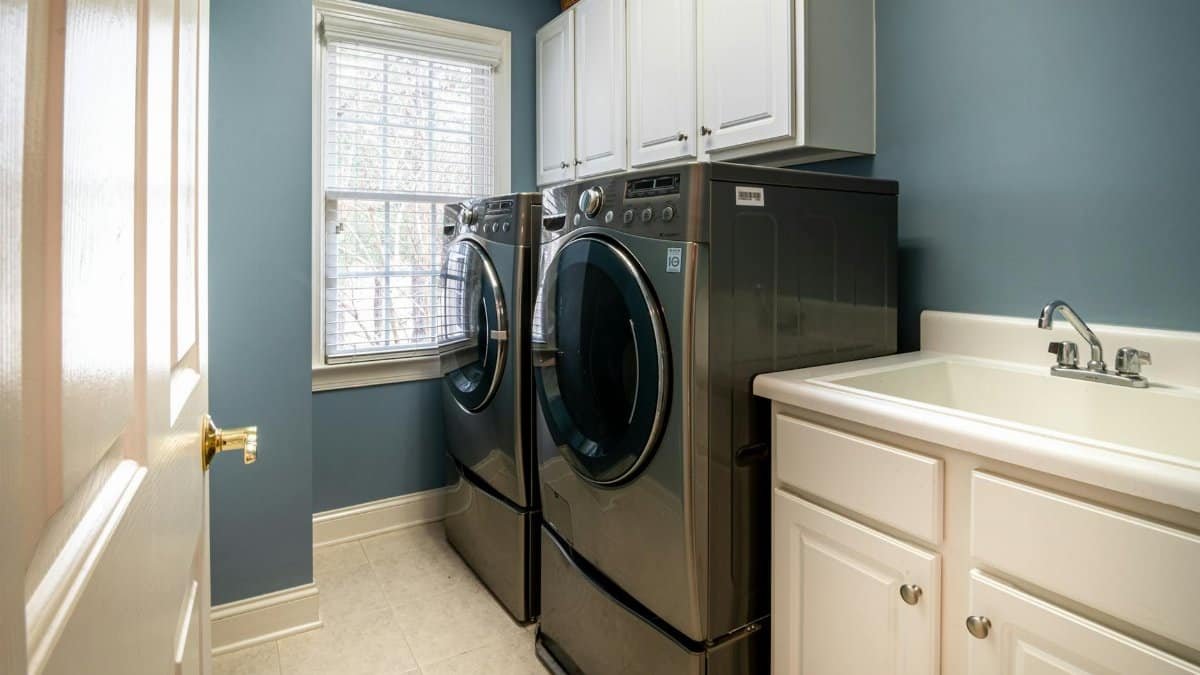
In the average American home, laundry piles up like unspoken grudges—endless, nagging, inevitable. The U.S. Bureau of Labor Statistics reports that adults devote about 0.4 hours daily to household chores, with laundry and clothes care claiming a hefty slice of that time, totaling over 140 hours yearly for many families. Yet amid the spin cycles and folding marathons, a quiet revolution brews: the functional laundry room. No longer a forgotten basement corner, this space promises to reclaim hours, reduce stress, and even spark joy in the mundane. Designers across the country now champion layouts that blend efficiency with everyday realism, turning chore zones into streamlined sanctuaries. As home values climb and remote work blurs boundaries, reimagining the laundry room emerges as a practical upgrade for middle-class households seeking control over chaos.
Mapping Your Laundry Footprint

Sarah Jenkins stepped into her cramped utility closet last spring, staring at a washer-dryer stack squeezed beside the furnace. Overflowing hampers blocked the door. That moment crystallized a truth for many: functionality starts with honest assessment. Measure your space first—width, depth, height, even door swings. Experts recommend at least 5 feet of clear floor space in front of machines for loading ease.
Consider traffic flow. Does the room connect to bedrooms or the kitchen? A central hallway setup works wonders in split-level homes, letting sorted loads move seamlessly upstairs. One Midwest homeowner shared how rerouting a hallway cut her weekly walks by half, freeing time for family dinners. Sketch options on graph paper. Free online tools from home design sites can simulate layouts, but pros advise prioritizing natural light sources early.
Appliances That Work Smarter
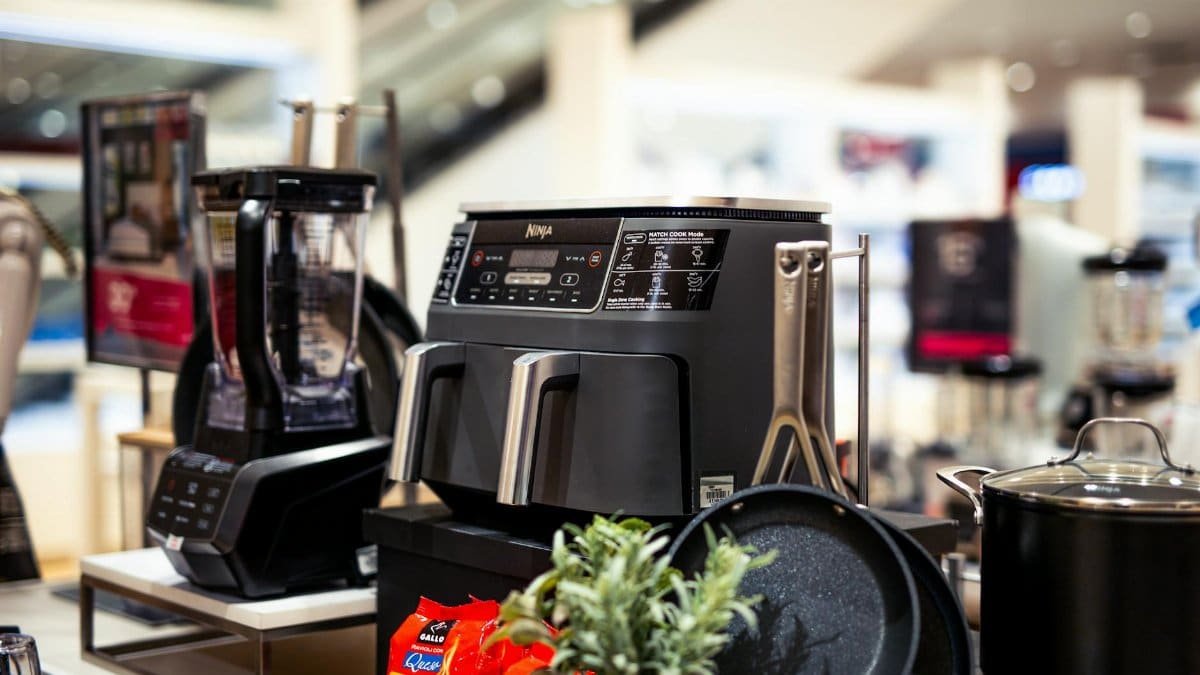
Gone are the days of bulky relics guzzling water and energy. Front-loaders dominate modern designs, stacking neatly to save floor space while outperforming top-loaders in cleaning power. The ENERGY STAR program certifies models that use 25 percent less energy and 33 percent less water than standards, slashing utility bills by up to $575 over a lifetime.
Opt for pedestals if stacking appeals, lifting machines to waist height for back-friendly access. Steam cycles tackle wrinkles without ironing; app controls let cycles finish while you’re out. In a recent remodel in Seattle, a couple swapped their decade-old set for high-efficiency units, noting drier loads emerged faster, cutting drying time by 30 minutes per cycle. Test noise levels in-store—quiet operation matters in open-plan homes.
Storage That Tames the Chaos

Open shelves invite dust; closed cabinets hide essentials. Balance both with pull-out hampers sorted by color or family member—three bins minimum for whites, darks, delicates. Custom rods above machines hold delicates bags and hangers, preventing post-wash wrinkles.
Wall-mounted drying racks fold away unused, ideal for air-drying delicates to extend fabric life. One online account captured the relief: a parent described custom slots for detergents transforming their “laundry war zone” into a grab-and-go station, easing morning rushes. Invest in adjustable shelving units rated for 100 pounds per shelf; they adapt as needs evolve, from baby clothes to bulky towels.
Ergonomics to Save Your Back

Bending, lifting, reaching—these strain bodies over time. Occupational Safety and Health Administration guidelines highlight risks in repetitive tasks like laundry. Countertops at 36 inches high provide perfect folding surfaces, with machines aligned underneath.
Add a cushioned mat for standing comfort; anti-fatigue models from rubber or cork absorb shock. Pull-out ironing boards integrated into cabinets keep tools accessible without clutter. A Virginia designer recounted a client’s transformation: after installing knee-level cabinets for soaps, the 50-something homeowner ditched chronic back pain meds. Height-adjustable pedestals offer universal appeal, suiting various statures in multi-generational homes.
Lighting and Ventilation Essentials

Dim bulbs breed mistakes—stains missed, socks mismatched. Layer lighting: bright LEDs under cabinets for task precision, a ceiling fixture for overview, and motion-sensor strips inside deep shelves. Aim for 700 lumens per square foot, mimicking daylight.
Ventilation fights humidity and odors. Exhaust fans rated at 50 CFM minimum pull moist air outdoors; ENERGY STAR models run quietly. In humid climates like Florida, dehumidifiers pair well, preventing mold. One remodeler noted a simple fan upgrade eliminated musty smells, making the space feel fresh enough for guests.
Flooring Choices Built for Spills

Tile reigns for durability, but cold feet demand warmth. Luxury vinyl plank mimics wood’s charm while resisting water—perfect for inevitable splashes. Cork or rubber adds cushion underfoot, reducing slip risks per OSHA ergonomics standards.
Seamless sheets prevent grout grime; heated floors via electric mats offer luxury without renovation headaches. A Denver family chose waterproof laminate after floods ruined carpet; now, mopping takes seconds. Budget $3-7 per square foot, factoring in subfloor prep for uneven basements.
Sorted Stations for Smooth Workflow

Divide duties: intake zone with hampers, wash area by machines, output for folding and hanging. A 5-foot counter hosts a two-tier sorter—divide loads mid-cycle to avoid rewashes.
Built-in hampers on rails slide out for easy dumping. Label bins clearly; magnetic boards track cycles. This setup shines in larger homes, where families report fewer forgotten loads. Efficiency data from the BLS American Time Use Survey underscores the payoff: streamlined processes trim chore time significantly.
Sustainable Tweaks for Long-Term Wins

Eco-upgrades pay dividends. Low-flow faucets cut water use; EPA WaterSense fixtures save 20 percent indoors. Solar tubes bring daylight cheaply; recycled glass counters add green flair.
Compostable dryer sheets and HE detergents amplify gains. A Portland eco-designer integrated rainwater collection for rinses, halving bills. These choices align with rising homeowner priorities, blending planet-friendly habits with practical design.
Budgeting Without Sacrificing Function

Dream big, spend smart. Allocate 40 percent to appliances, 30 to cabinets, 20 to flooring, 10 to extras. DIY pulls like painting walls or installing shelves trim costs—expect $3,000-10,000 for a full overhaul, per industry averages.
Shop sales; secondhand machines via certified refurbishers work fine. Prioritize ROI: efficient setups boost home value by 1-3 percent, realtors say. Track expenses in a spreadsheet; rebates from utilities offset upfront hits.
Finishing Touches That Elevate the Everyday

Personalize subtly: hooks for robes, a chalkboard for notes, plants for air purification. Neutral palettes expand small spaces visually; bold accents energize.
Test the flow: simulate a full load cycle. Adjust as lived-in realities emerge. Families who’ve redesigned rave about ripple effects—less stress, more presence elsewhere. The functional laundry room proves small spaces yield big returns, reshaping home life one load at a time.

Natasha is the heart of our exploration into conscious connection. Applying principles from multiple counseling courses in her own life, she guides you to cultivate stronger, more joyful bonds.
Disclaimer
The content on this post is for informational purposes only. It is not intended as a substitute for professional health or financial advice. Always seek the guidance of a qualified professional with any questions you may have regarding your health or finances. All information is provided by FulfilledHumans.com (a brand of EgoEase LLC) and is not guaranteed to be complete, accurate, or reliable.