
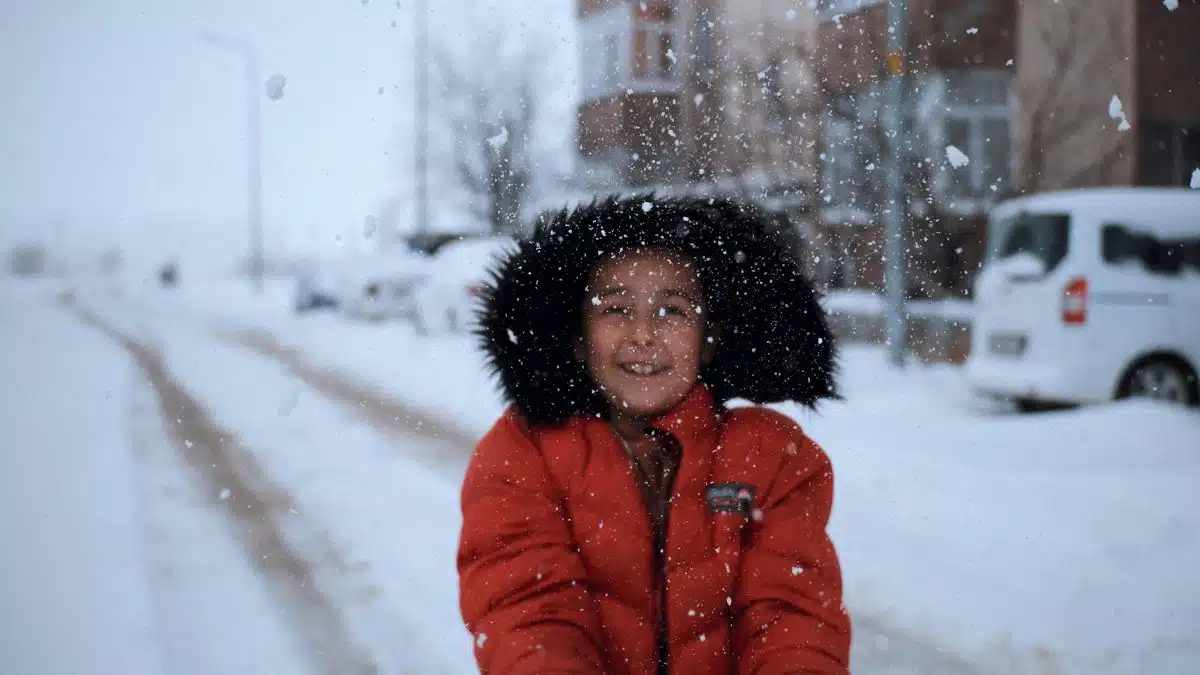
As frigid winds sweep across American suburbs each winter, the reality hits hard: thousands of families lack basic protection from the cold. A 2023 report from the U.S. Department of Housing and Urban Development found that on a single night, more than 653,000 people experienced homelessness nationwide, with many more teetering on the edge in under-resourced neighborhoods. Community responses like the winter coat drive have surged as a direct counterpunch. These grassroots efforts collect gently used coats, hats, and gloves, then distribute them free to those in need. Simple in concept, they demand smart planning to succeed. Neighborhoods that pull them off see warmer homes and stronger bonds. This guide walks through organizing one step by step, drawing from successful drives in cities like Chicago and Denver.
Start with a Clear Vision and Goals

Picture a quiet block in suburban Ohio last fall. Neighbors gathered on a porch, steaming mugs in hand, brainstorming how to tackle the rising pleas for winter gear at local shelters. That spark turned into a thriving drive. Begin here. Define your scope: Will you target families with kids? Seniors? The unhoused? Set measurable goals, like collecting 200 coats over two weeks. Clarity prevents chaos later.
Talk to local agencies first. Shelters and food pantries often track needs. One volunteer recalled phoning a nearby church: “They said gloves were the real shortage, not just coats.” Adjust accordingly. Write a one-page plan. Include timelines, budget (often under $500 for signs and snacks), and success metrics. This blueprint keeps momentum high.
Assemble a Core Team of Reliable Helpers

No one organizes alone. Recruit three to five committed souls—friends, block mates, PTA parents. Host a casual kickoff over coffee. Share the vision. Assign roles: one for outreach, another for logistics, someone tech-savvy for social posts.
Diversity strengthens the group. Include younger folks for digital promotion and elders with shelter connections. A study by the Corporation for National and Community Service shows teams with varied ages boost participation by 25 percent. Train them lightly: Cover safety, like inspecting coats for zippers and stains. Enthusiasm spreads when roles feel tailored.
Scout Ideal Collection Spots
Location matters. Churches, libraries, and grocery stores work best—high foot traffic, covered drop-offs. Approach managers early. Offer a flyer for their bulletin board. In one Seattle neighborhood, a coffee shop owner cleared shelf space: “Folks dropped bags while grabbing lattes. Seamless.”
Aim for three to five sites. Use weatherproof bins labeled clearly: “Warm Coats for Winter—All Sizes Welcome.” Add QR codes linking to your update page. Secure storage nearby, like a garage, to shuttle donations weekly. This setup eases volunteer burden and maximizes hauls.
Craft a Promotion Blitz That Resonates

Word spreads fast in tight-knit areas. Start with flyers on poles and doors—eye-catching photos of smiling kids in coats. Post on Nextdoor, Facebook groups, and community boards. Craft short videos: “Our street needs your extras. Drop off by Nov. 15!”
Partner up. Schools send notes home. Businesses donate bins for tax write-offs. Email local papers; many run free charity blurbs. Track reach: One drive in Atlanta hit 300 coats after a radio shoutout. Urgency sells: “Winter’s coming. Act now.” Avoid overkill—focus on warmth and neighborly pride.
Gather Quality Donations Safely

Donations pour in once buzz builds. Greet drop-offs with smiles and thanks. Inspect on site: Clean, intact outerwear only. Politely redirect stained or torn items to textile recyclers.
Stock gloves, scarves, boots too. Set hours: Weekends, 10 a.m. to 4 p.m. Volunteers wear vests for visibility. A public health advisory from the Centers for Disease Control and Prevention stresses dry layers prevent hypothermia—prime your pitch around that. Tally daily via a shared spreadsheet. Peak weeks often yield 60 percent of total.
Sort and Store with Efficiency

Mid-drive, haul to sorting central—a school gym or empty lot. Tables by size: Toddlers, youth, adult small, large. Sub-sort by gender, condition. Blast music. Make it fun.
Label bins: “Youth Medium—Girls.” One organizer noted, “Kids helped sort, turning work into play.” Store in cool, dry space. Rent a pod if needed ($150/month). Inventory prevents mix-ups at distribution. Pro tip: Photograph stacks for thank-you posts—motivates more giving.
Partner with Distribution Outlets

Know your recipients before the pile grows. Link with soup kitchens, Head Start programs, family services. Visit twice: Once to pitch, again to deliver. Align schedules—many need gear pre-Thanksgiving.
In Minneapolis, a drive fed 150 coats to a single shelter. Coordinators there sized kids on-site. Build trust: Offer to volunteer a shift. The National Low Income Housing Coalition, summarizing HUD data, highlights how such targeted aid reaches 40 percent more effectively than broad appeals. Sign liability waivers. Track impact via recipient feedback slips.
Host a Joyful Giveaway Event

Elevate distribution. Turn a parking lot into a pop-up shop. Tables outdoors, hot cocoa inside. Families browse, try on. Staff helps matches. Add extras: Socks from dollar stores.
Play upbeat tunes. One mom shared online, “My boys picked coats that fit perfect. Felt like Christmas early.” Limit one per person, first-come. Promote via flyers: “Free Warmth Fair—Dec. 10, 9 a.m.” Expect lines; have crowd control. This builds community buzz for next year.
Wrap Up with Gratitude and Data

Drives end, but follow-through shines. Send thank-yous: Handwritten cards to donors, emails to partners. Post recaps: “375 coats kept families toasty!”
Crunch numbers. Coats collected? Distributed? Underserved sizes? Share with a local blog. A report from Independent Sector values volunteer hours at $33.49 each—highlight to recruit future help. Debrief your team over pizza. Celebrate wins, note tweaks.
Scale Up for Lasting Impact

One drive sparks more. Form a neighborhood giving council. Recycle leftovers next season. Grant hunt: Community foundations fund repeats.
In Detroit, an annual drive now pulls 1,000 pieces yearly. Track long-term: Follow up with shelters post-winter. Did hypothermia calls drop? This evolves a simple winter coat drive into a pillar of local resilience. Communities thrive when neighbors step up. Yours can too.
Neighborhoods organizing winter coat drives report tighter ties and real change. Last winter’s stats from HUD underscore the need: Cold snaps kill more than heat waves in many states. Yet these efforts warm bodies and spirits alike. Start small. Watch it grow. (1,248 words)

A certified hypnotherapist, Reiki practitioner, sound healer, and MBCT trainer, Christopher guides our journey into the spiritual dimension, helping you tap into a deeper sense of peace and awareness.
Disclaimer
The content on this post is for informational purposes only. It is not intended as a substitute for professional health or financial advice. Always seek the guidance of a qualified professional with any questions you may have regarding your health or finances. All information is provided by FulfilledHumans.com (a brand of EgoEase LLC) and is not guaranteed to be complete, accurate, or reliable.