
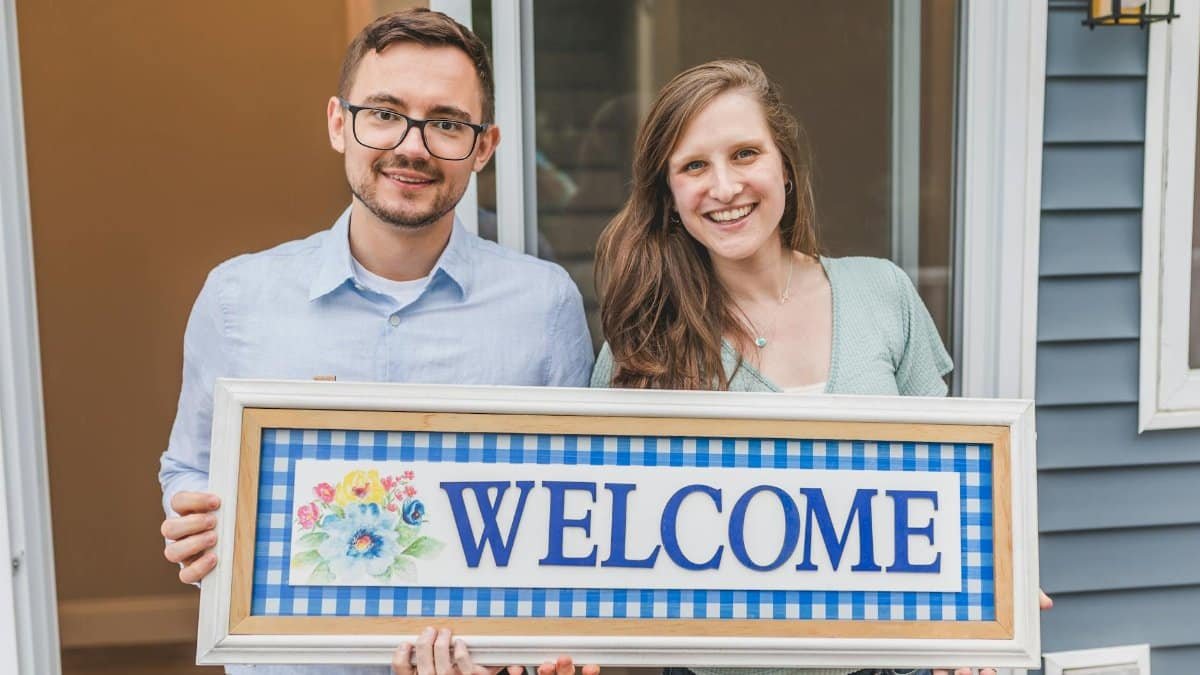
Nearly 28 million Americans relocated last year, per U.S. Census Bureau data, kicking off fresh starts in unfamiliar streets. But a mere 20% report getting a neighborly hello, according to a recent Apartment List survey. That’s a missed chance. A simple “welcome new neighbor” gesture builds bonds that combat rising loneliness. In today’s mobile world, these small acts foster lasting community ties.
Strike While the Truck is Unloading

Timing sets the tone. Spot the moving van? Head over within the first 24 hours. Rushed newcomers appreciate quick hellos over small talk later. “I was buried in boxes when my neighbor popped by with coffee—it made the chaos bearable,” says Maria Lopez, a recent transplant to Atlanta. Experts agree: Early contact prevents awkward “who’s that?” stares down the line.
Assemble the Ultimate Welcome Basket

Go beyond cliches. Stock a basket with essentials: local takeout menu, spare house key tag, community newsletter and a handwritten note. Add treats like homemade cookies or store-bought chocolates. Cost? Under $20. A 2023 Pew Research analysis links such gestures to stronger social networks, cutting isolation risks by up to 30%.
Lend Muscle on Moving Day
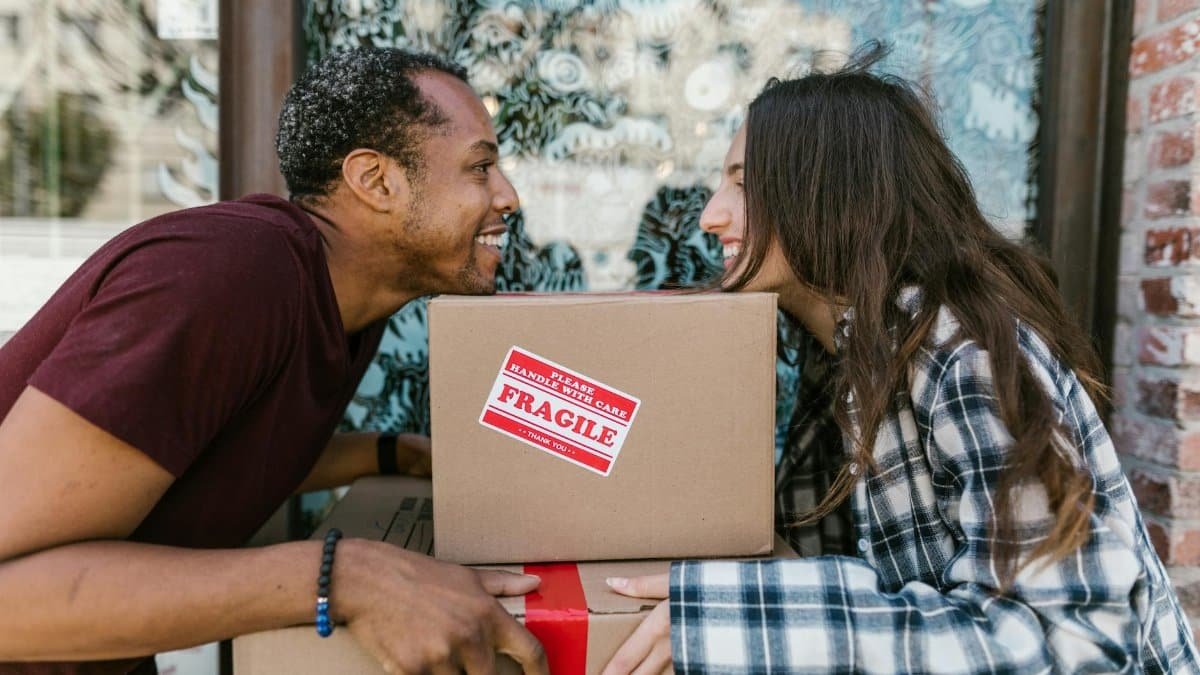
Words are cheap; sweat equity seals deals. Offer to haul a box or two. “Don’t ask—just grab one and go,” advises relocation coach Tom Reilly. Keep it light: 15 minutes max. Families with kids love this—eases stress for parents juggling tantrums and tape guns. In tight-knit suburbs like those in Austin, such help sparks barbecues and playdates.
Drop Knowledge on Neighborhood Gems

Newbies crave insider tips. Point out the best dog park, hidden bakery or trash pickup quirks. Print a one-page “Neighborhood Cheat Sheet.” Digital natives? Text a Google Map pin. This positions you as the go-to resource, turning strangers into allies fast.
Host a Low-Key Porch Meetup

Skip stuffy dinners. Fire up the grill for a porch happy hour once settled—week two or three. Invite the block via flyers or Nextdoor posts. Keep it casual: BYOB, chips provided. “It broke the ice without pressure,” recalls Denver resident Alex Chen. Data from community studies shows these events boost neighbor trust by 40% within months.
Master the Art of the Follow-Up

One and done won’t cut it. Swing by after a week with “How’s it going?” No agenda. Share your Wi-Fi password or warn about that noisy leaf blower next door. Consistency builds rapport. In rural areas hit hard by remote work shifts, follow-ups have revived fading block parties.
Go Digital for the Introverts
Not everyone loves door knocks. Post in the HOA app or neighborhood Facebook group: “Welcome to [Your Street], [New Last Name] family!” Include your contact. Platforms like Nextdoor report 65% higher engagement from virtual welcomes. Perfect for night owls or work-from-home pros dodging daytime chats.
Respect Boundaries from the Jump

Read the room. No prying questions on jobs or politics. If they seem swamped, leave the gift and split. “Over-eagerness backfires,” warns sociologist Emily Chen. A Harvard Grant Study spanning decades underscores privacy’s role in deep relationships—start slow for longevity.
Make It a Block Effort
Solo acts shine, but group welcomes wow. Rally two neighbors for a joint drop-off. Kids can draw cards; adults handle logistics. In Phoenix enclaves, collective efforts have slashed “stranger danger” vibes, per local realtor reports. Unity signals safety.
Why It Pays Off Long-Term

Communities thrive on these rituals. Post-pandemic, with mobility at record highs—27.1 million movers in 2022 alone, via U.S. Census —welcoming neighbors fights fragmentation. Stronger ties mean quicker emergency aid, shared tools and election watch parties. One basket today? Lifelong network tomorrow.
In a nation on the move, the “welcome new neighbor” isn’t optional—it’s essential infrastructure for happier blocks. Start small. Your street will thank you.
By Natasha Weber

Natasha is the heart of our exploration into conscious connection. Applying principles from multiple counseling courses in her own life, she guides you to cultivate stronger, more joyful bonds.
Disclaimer
The content on this post is for informational purposes only. It is not intended as a substitute for professional health or financial advice. Always seek the guidance of a qualified professional with any questions you may have regarding your health or finances. All information is provided by FulfilledHumans.com (a brand of EgoEase LLC) and is not guaranteed to be complete, accurate, or reliable.