

In the heart of small-town America, libraries are no longer hushed halls of dusty bookshelves. A 2023 analysis by the Institute of Museum and Library Services reveals that 98.8 percent of public libraries now provide free Wi-Fi, a leap from earlier decades when digital access felt like a luxury. This quiet revolution in local library technology draws crowds of students cramming for exams, remote workers dodging spotty home signals, and seniors learning to video-chat with grandkids. Once seen as relics, these spaces pulse with innovation, bridging the digital divide one hotspot at a time. As budgets tighten and tech races ahead, libraries prove essential hubs for equitable access.
1. High-Speed Wi-Fi Blankets Every Corner

Step inside a branch in Seattle or rural Ohio, and the signal strength hits you immediately. Libraries have invested heavily in fiber-optic upgrades, turning reading nooks into productivity zones. Patrons log hours without buffering videos or dropped Zoom calls. One library director in Texas noted how usage spiked 40 percent post-upgrade, with families treating the space like a second home office.
This isn’t sporadic. Nationwide data backs the trend. The shift ensures even low-income areas stay connected, fostering homework sessions and job hunts alike. No membership fees. Just show up.
2. 3D Printers Spark Creator Fever
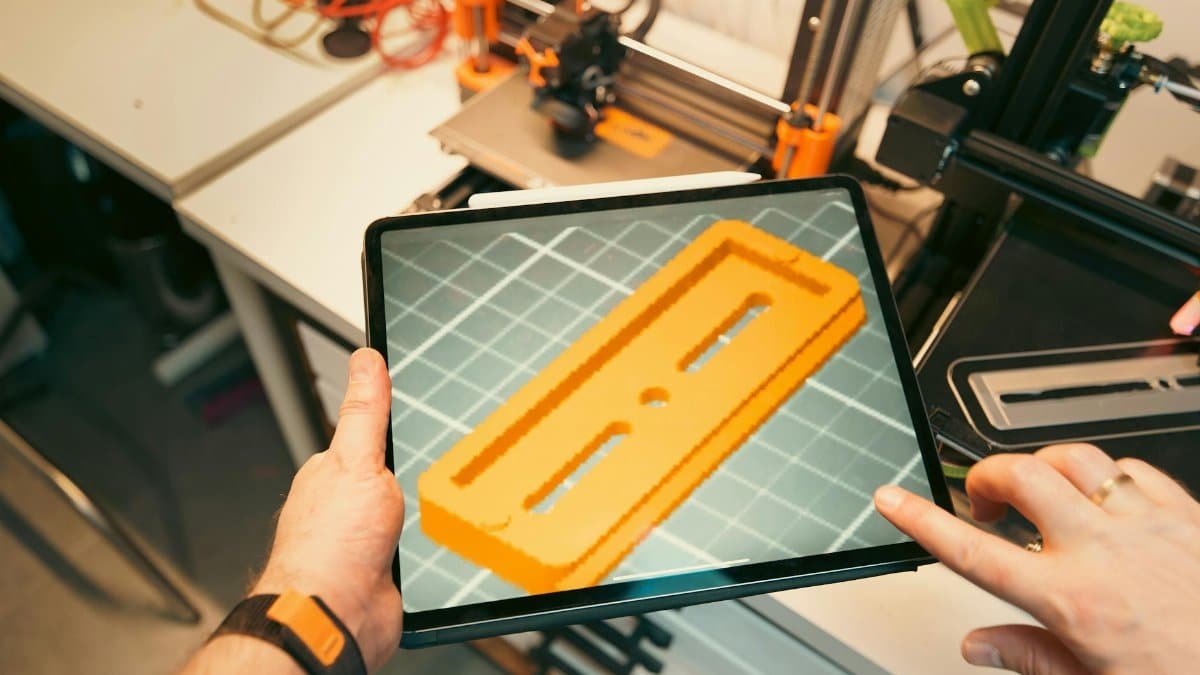
Hands hover over glowing printers in dedicated maker corners, extruding prototypes from digital designs. Brooklyn’s public library system leads with multiple machines, where kids craft drone parts and entrepreneurs test product mockups. “It democratizes invention,” says a regular user, watching layers build a custom phone stand.
These tools cost thousands, yet libraries absorb the expense. Staff offer tutorials, filament is free or cheap. From prosthetics for pets to holiday ornaments, the output surprises. A Libraries Transform campaign report highlights how such tech draws nontraditional crowds, boosting foot traffic by 25 percent in participating spots.
3. Laptop Lending Levels the Playing Field

A teenager grabs a Chromebook from the checkout desk, plugs in homework due by midnight. Libraries stock dozens, from sleek ultrabooks to rugged tablets, loaned for weeks or hours. In Chicago, checkout rates doubled during pandemic school closures, keeping kids online when home devices failed.
Hotspots go out too, tiny routers slipping into pockets for mobile data. This addresses the 15 million U.S. households without broadband, per federal estimates. Return it charged, and the cycle continues seamlessly.
4. Vast Digital Collections Go Endless
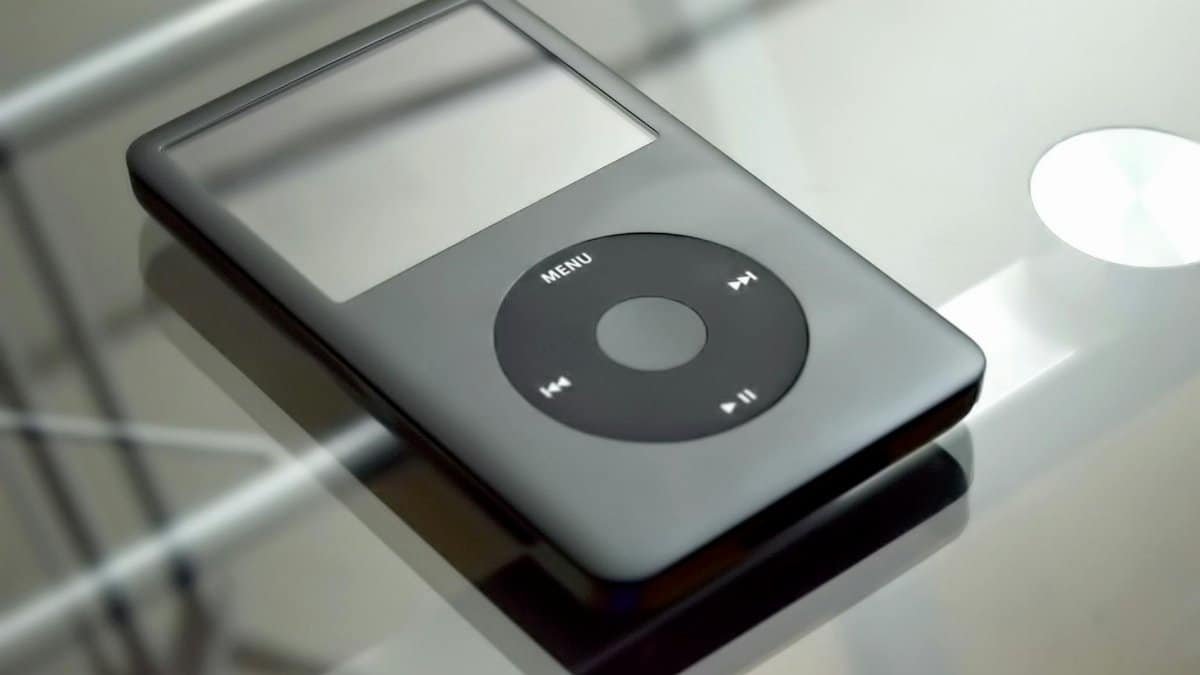
Shelves may hold thousands of volumes, but apps unlock millions more. E-books, audiobooks, magazines stream via Libby or Hoopla, no late fees haunting returns. A retiree in Florida devours bestsellers during beach walks, narrations filling the air.
Circulation soars. Pew Research notes libraries as top sources for digital media, with 52 percent of users borrowing e-materials weekly. Partnerships with OverDrive expand catalogs, including comics and language courses, all cloud-based and instant.
5. Coding Workshops Build Future Coders
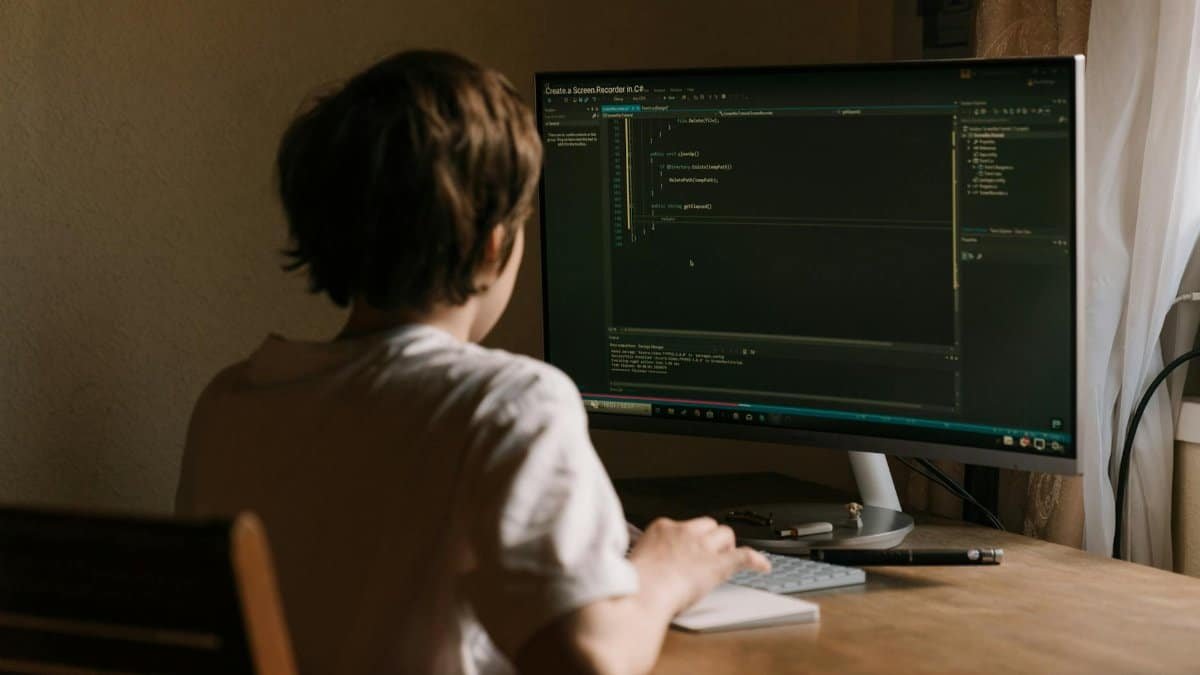
Clusters of middle-schoolers hunch over laptops, debugging simple games in Scratch or Python. Instructors roam, fixing syntax snags. Libraries host after-school sessions, partnering with tech firms for guest experts. One Silicon Valley branch reports grads landing internships.
Free access counters pricey bootcamps. Curricula evolve with Raspberry Pi kits, teaching hardware basics. This hands-on push counters STEM gaps, especially for underserved youth.
6. VR Headsets Immerse in New Worlds
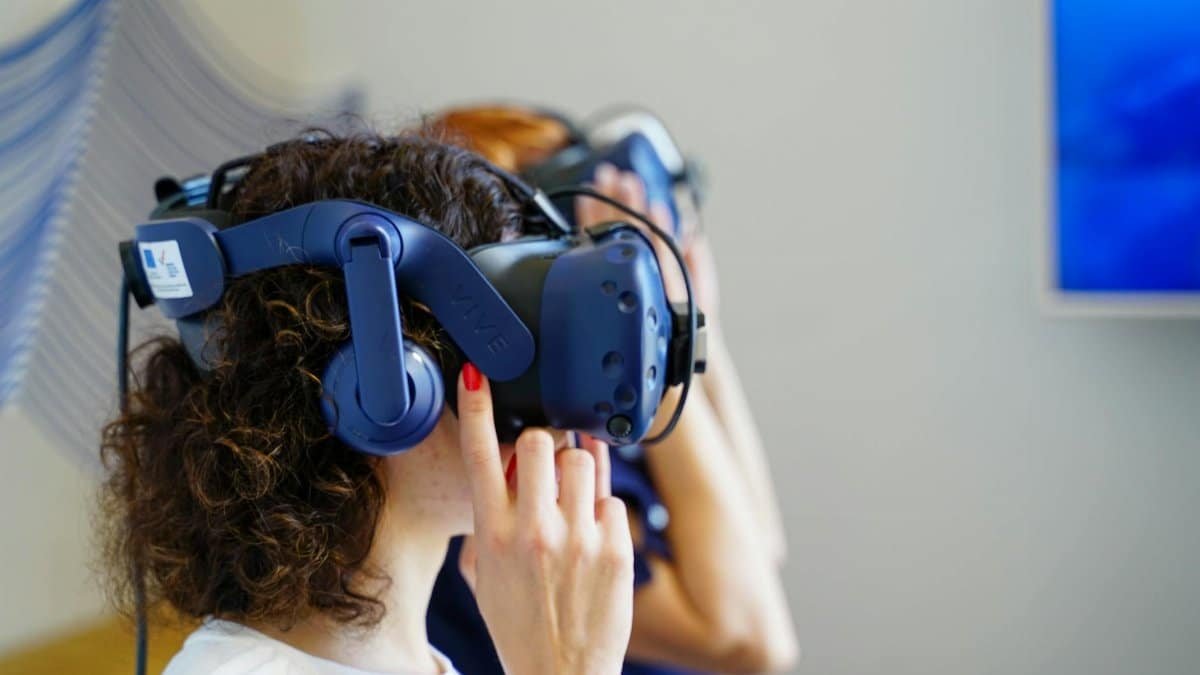
Slip on the headset, and ancient Rome materializes. Libraries outfit stations with Oculus rigs, letting users tour museums or dissect virtual frogs. A Denver mom describes her son’s awe exploring ocean depths, biology lessons vivid.
Sessions book solid. Affordable units drop prices, enabling widespread adoption. Educational content dominates, from history dives to therapy aids for anxiety, blending fun with function.
7. MakerSpaces Buzz with Hybrid Tools

Laser cutters whir beside sewing machines upgraded for smart fabrics. These multifunctional rooms invite tinkering, from circuit boards to vinyl records. In Atlanta, a community group prototyped election ballot boxes here, precision unmatched at home.
Noise levels rise, energy flows. Safety training ensures all ages participate. Such spaces foster collaboration, turning solitary hobbies into group projects with real impact.
8. Streaming Stations Cater to Binge Culture

Private pods with noise-canceling headphones let patrons stream Kanopy films or LinkedIn Learning tutorials. No subscriptions needed. A job seeker polishes resume skills midday, credits courtesy of library cards.
Content rivals Netflix, focused on enrichment. Usage analytics show peak evenings, when home data caps bind. This positions libraries as cultural anchors in streaming wars.
A Pew Research Center report on libraries confirms strong demand for such media tech.
9. Tech Help Desks Troubleshoot Daily

Frustrated glances meet volunteer wizards at front desks. They reset routers, teach app navigation, even scan old photos. “Saved my sanity,” whispers a grandmother syncing family albums to the cloud.
Classes fill fast: smartphone basics to cybersecurity. One-on-one slots accommodate elders navigating Medicare portals. This human touch complements gadgets, building confidence amid rapid change.
10. AI Tools Accelerate Research

Chat interfaces answer queries instantly, pulling from vast databases. Libraries integrate tools like custom bots for genealogy or grant searches. Researchers type, refine, cite sources effortlessly.
Privacy safeguards protect users. Early adopters see time savings double for complex topics. As AI evolves, libraries pilot ethical versions, ensuring access without corporate gatekeepers. A IMLS national report tracks rising tech integrations.
These upgrades signal more than gadgets. Local library technology redefines public service, adapting to hybrid lives. Budgets stretch creatively through grants and donors. Challenges linger—funding dips, staff shortages—but momentum builds. Communities lean in, discovering libraries as vital tech equalizers. The transformation feels just beginning.

With a career spanning investment banking to private equity, Dominik brings a rare perspective on wealth. He explores how money can be a tool for personal freedom and positive impact, offering strategies for abundance that align with your values.
Disclaimer
The content on this post is for informational purposes only. It is not intended as a substitute for professional health or financial advice. Always seek the guidance of a qualified professional with any questions you may have regarding your health or finances. All information is provided by FulfilledHumans.com (a brand of EgoEase LLC) and is not guaranteed to be complete, accurate, or reliable.