
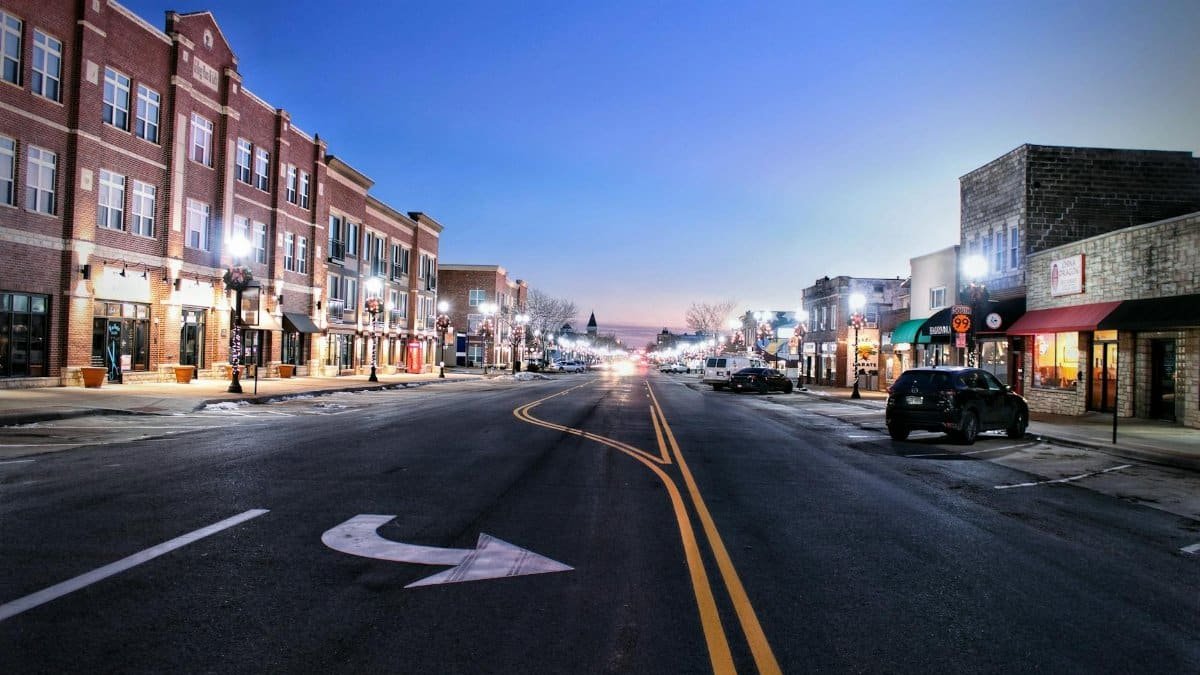
Walk down Main Street in places like Asheville, North Carolina, or Bend, Oregon, and the change hits you immediately. Boarded-up windows have given way to gleaming signs for coffee roasters, vintage clothing boutiques, and farm-to-table eateries. Shoppers linger, chatting with owners they know by name. This main street revival isn’t just nostalgia. It’s a tangible pushback against homogenization, where communities rediscover the pull of personalized service and local roots amid economic uncertainty. Data underscores the momentum: new business applications surged in recent years, fueling a renaissance in these neighborhood hubs.
The Pandemic’s Silver Lining

Lockdowns forced a reckoning. Big-box stores dominated early, but as restrictions lifted, people sought alternatives. Foot traffic returned not to malls, but to sidewalks lined with independents. Consider the numbers. The U.S. Census Bureau reported a 50% jump in business applications from 2020 levels by 2022, many targeting retail and food services central to Main Streets.Census Bureau analysis highlights how these startups clustered in urban and suburban cores, breathing life into dormant districts.
Owners adapted fast. A hardware store in upstate New York pivoted to curbside pickup, then expanded with workshops on home repairs. Customers stayed loyal, drawn by expertise they couldn’t find online. This resilience turned crisis into catalyst, proving small operations could outmaneuver giants.
Why Shoppers Are Voting with Their Wallets
Tastes evolved. Surveys show Americans prioritize “local” more than ever. A Pew Research Center poll found 72% of adults made conscious efforts to support neighborhood businesses post-pandemic, up sharply from prior years.Pew Research findings capture the sentiment: people value the stories behind products, the faces behind counters.
One recent account from an online forum captured it plainly. A mother in the Midwest described ditching chain groceries for a nearby market after tasting its fresh-baked bread. “It’s not just food,” she wrote. “It’s knowing the farmer.” Such anecdotes reveal deeper yearnings for authenticity in an algorithm-driven world.
Tech Meets Tradition

Small businesses aren’t shunning innovation. Instagram reels showcase handmade soaps; apps handle loyalty points. Yet the digital tools amplify, rather than replace, the human element. A bookstore in Texas uses TikTok to host virtual author events, drawing crowds that spill into physical shelves.
This hybrid thrives. Federal Reserve data notes small firms adopting e-commerce at record rates, with Main Street spots leading in community engagement metrics. Owners blend apps for inventory with face-to-face sales, creating sticky customer bonds chains struggle to match.
Policy Winds at the Owners’ Backs

Government stepped up. Relief programs like the Paycheck Protection Program injected billions, with 80% going to enterprises under 20 employees. The Small Business Administration tracked how these funds sustained 11 million jobs, many in retail cores.SBA FAQ report details the impact: survival rates climbed, enabling expansions.
Local incentives multiplied. Tax breaks for facade improvements in places like Detroit lured entrepreneurs. Zoning tweaks allowed mixed-use spaces, blending shops with residences. These measures didn’t just prop up survivors; they invited newcomers, diversifying offerings from wellness studios to repair cafes.
Stories from the Front Lines

Take Elena, who revived a shuttered florist in rural Pennsylvania. She started with pop-up markets, building buzz through word-of-mouth. Now, her arrangements fill weddings and storefront windows alike. “People want to celebrate here, not click away,” she says.
Across the country, a bike shop in Colorado boomed after customizing for commuters fleeing traffic. Owners like these embody the revival’s grit. They navigate supply snarls and labor shortages, yet report optimism. National Federation of Independent Business surveys peg small-business confidence at multi-year highs, driven by steady local demand.
Challenges Tempering the Triumph

Not all paths are smooth. Rising rents squeeze margins; online behemoths undercut prices. Inflation hits supplies hard, forcing tough choices. A Federal Reserve study on small business lending underscores credit access gaps, especially for women- and minority-owned ventures.Fed analysis reveals uneven recovery, with urban Main Streets faring better than rural strips.
Yet adaptability shines. Collaborations form: merchants pool marketing budgets for street fairs, sharing costs and crowds. These alliances buffer shocks, fostering ecosystems where one shop’s win lifts neighbors.
Community Threads Strengthen

Revival extends beyond commerce. Streets host markets, music nights, knitting circles. This social glue combats isolation. Studies link vibrant local economies to better mental health outcomes, as interactions replace screen time. In one Midwestern town, a revived diner became a de facto community center, hosting job fairs and support groups.
Economic ripples spread. Jobs stay local; dollars recirculate three times before leaving town, per economic models. Schools partner with shops for apprenticeships, closing skill gaps.
Looking to the Horizon

Momentum builds. Projections from the Bureau of Labor Statistics forecast steady retail growth through 2032, tilted toward independents. As remote work scatters populations to smaller cities, Main Streets stand ready. Hybrids will dominate: physical anchors with digital reach.
Skeptics warn of fragility. Recessions could test gains. But history offers reassurance. Past downturns birthed icons like Starbucks—ironically, from humble origins. Today’s revival feels sturdier, rooted in collective preference for the familiar.
Ultimately, this main street revival reaffirms what communities crave: places that reflect them. Not sterile efficiency, but vibrant imperfection. As one observer put it in a public thread, “Chains give options; locals give belonging.” In an era of flux, that’s no small thing.

With a career spanning investment banking to private equity, Dominik brings a rare perspective on wealth. He explores how money can be a tool for personal freedom and positive impact, offering strategies for abundance that align with your values.
Disclaimer
The content on this post is for informational purposes only. It is not intended as a substitute for professional health or financial advice. Always seek the guidance of a qualified professional with any questions you may have regarding your health or finances. All information is provided by FulfilledHumans.com (a brand of EgoEase LLC) and is not guaranteed to be complete, accurate, or reliable.