
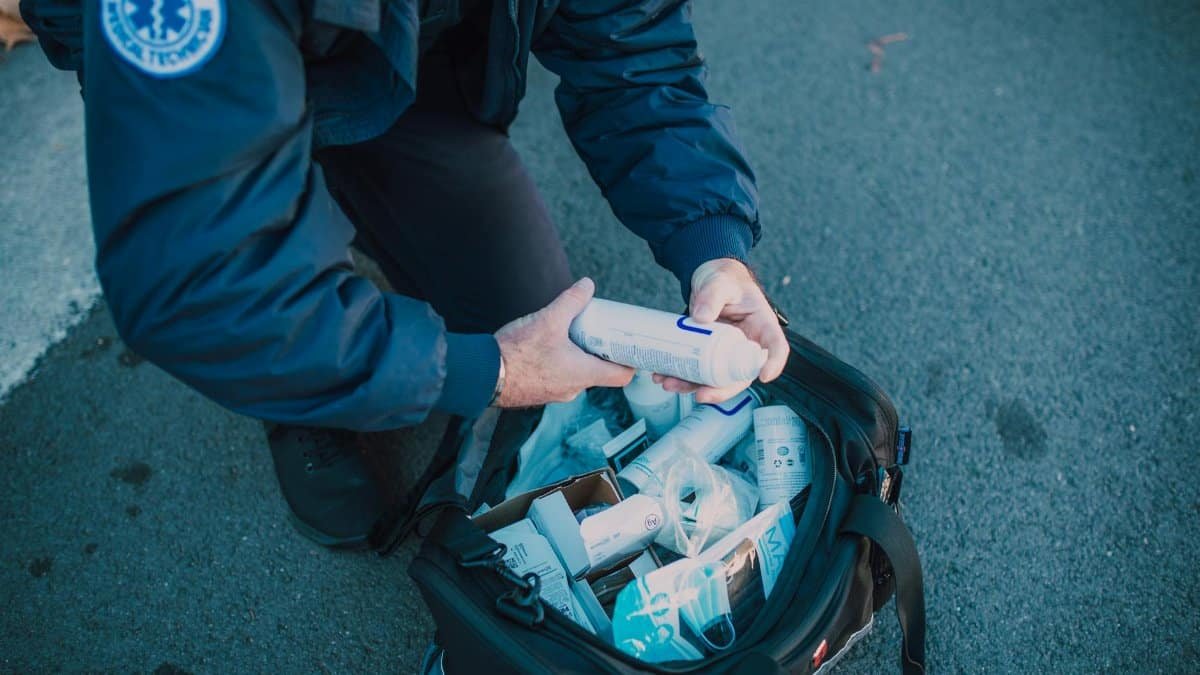
A stark reality hit home last year: only 44 percent of U.S. households reported having a three-day supply of food and water in case of disaster, according to federal data. Power grids strain under extreme weather. Supply chains falter. Yet most Americans keep no dedicated home emergency kit on hand. This oversight persists even as hurricanes batter coasts and wildfires rage inland. Preparation feels optional until the lights flicker out. Families scramble. Neighbors share rumors of shortages. Building a home emergency kit changes that equation. It equips everyday people to weather crises with calm resolve. No more panic at the grocery aisle. Just readiness.
The Rising Urgency of Household Readiness
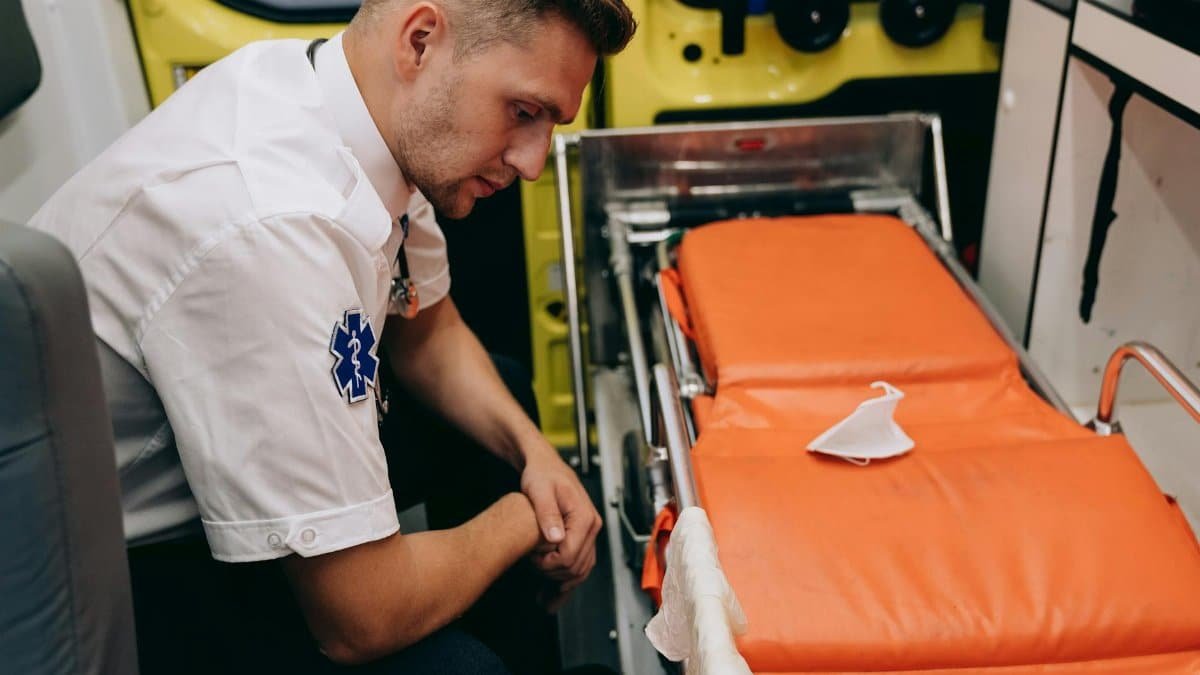
Storms like Ida in 2021 left millions without power for days. Residents in New Jersey suburbs waded through flooded streets, searching for batteries. One family described huddling by candlelight, rationing a single jug of water. Federal agencies now stress proactive steps. The Federal Emergency Management Agency outlines clear priorities. Blackouts from Texas’ 2021 freeze exposed vulnerabilities nationwide. Utilities warn of longer outages ahead. Climate patterns shift. Experts predict more frequent disruptions. Households that prepare sleep better. They focus on safety, not survival basics.
Water: The Non-Negotiable Foundation

Dehydration strikes fast in chaos. Stock at least one gallon per person per day for three days minimum. Bottled works fine. Or fill sturdy containers ahead. Purification tablets or bleach offer backups. Boil if pipes burst. A Midwestern mother once shared how tainted tap water sickened her kids during a boil advisory. She wished for filters then. Boiling kills most pathogens, but kits include iodine drops too. Rotate stock every six months. Taste turns off some. Freshness matters.
Food Supplies That Last
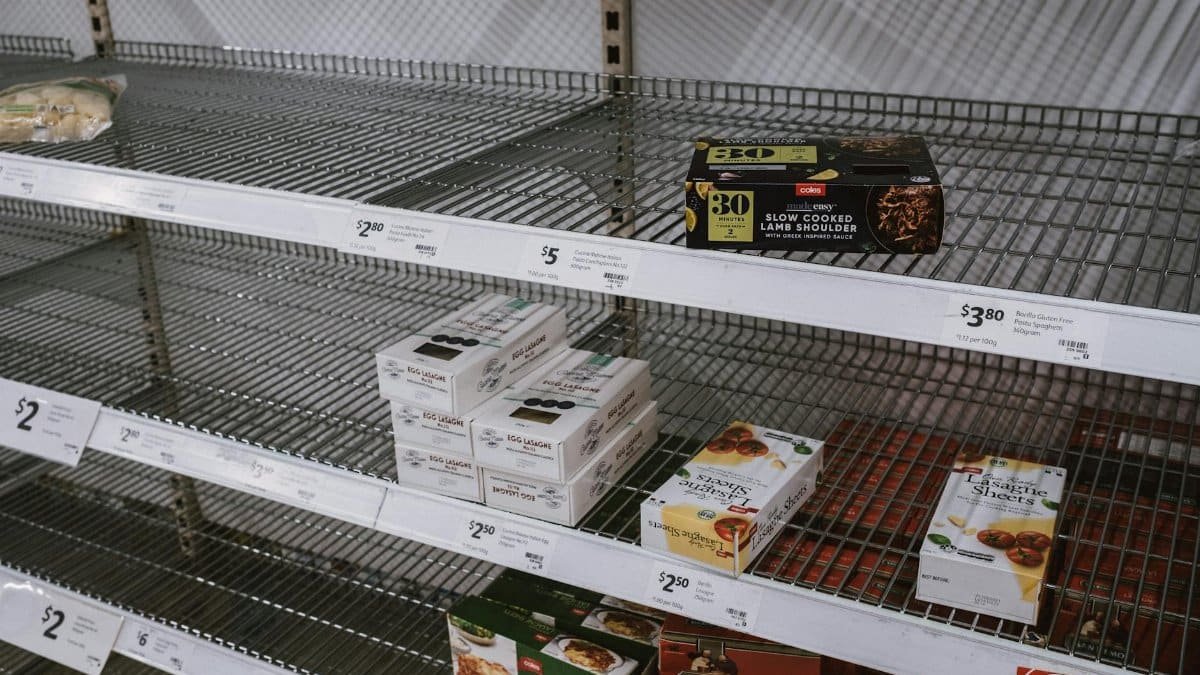
Canned tuna. Peanut butter. Granola bars. Aim for non-perishables needing no cooking. Three days’ worth seals the deal. Protein bars pack energy. Crackers fill gaps. Infants need formula. Pets require kibble. One online account captured the frustration: a father foraging empty shelves during a blizzard, regretting his empty pantry. Calorie-dense choices sustain longest. MREs from surplus stores appeal to some. Check dates yearly. Variety prevents boredom. A manual can opener tops every list.
Power and Light in the Dark
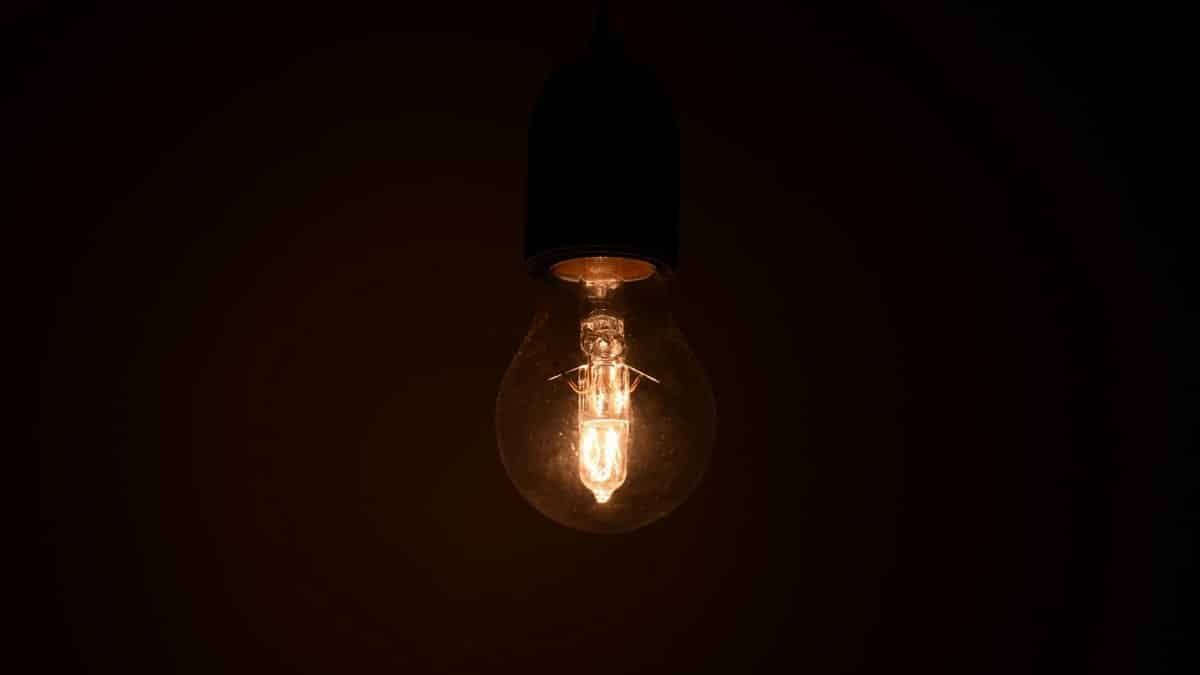
Flashlights with extra batteries illuminate paths. Hand-crank models charge phones too. Solar lanterns gain popularity in sunny states. Generators hum for serious needs, but fuel storage poses risks. Carbon monoxide kills silently. Extension cords reach far. During Puerto Rico’s long blackout after Maria, families prized glow sticks for kids. Radio stays tuned to NOAA updates. Battery-powered ones beat silence. Charge power banks fully now.
Medical Essentials for Every Home
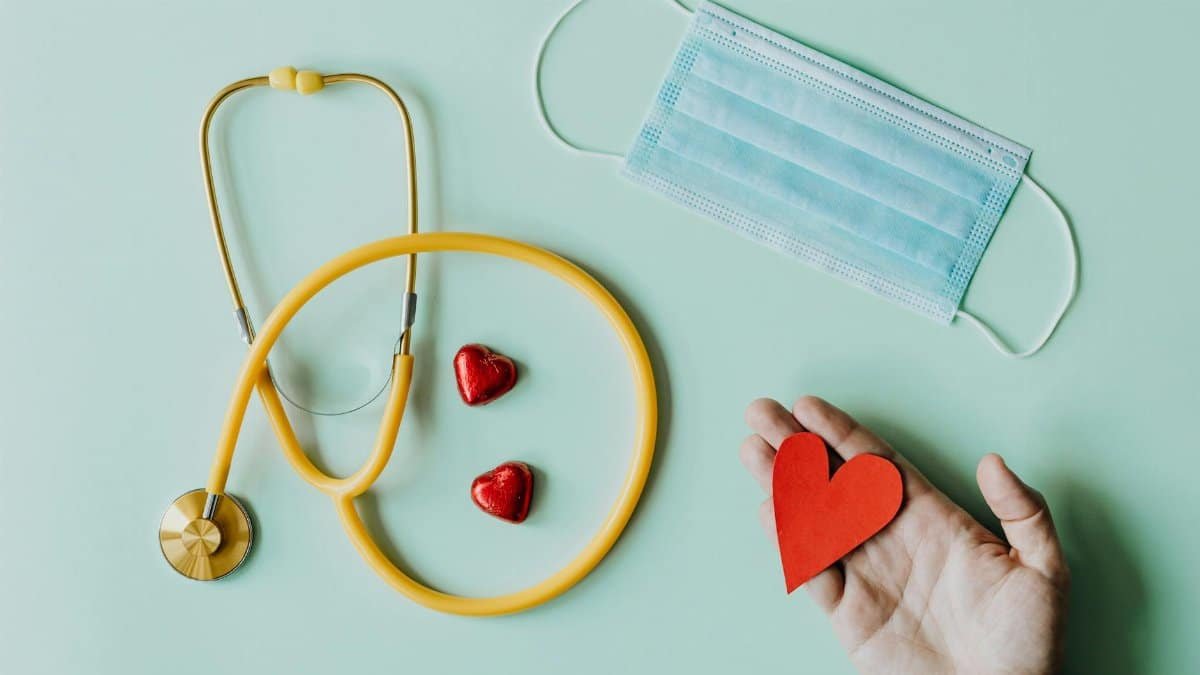
Bandages. Gauze. Tweezers. Pain relievers. Prescription lists with copies. EpiPens for allergies. The Centers for Disease Control and Prevention urges tailoring to household health. Diabetics pack glucose monitors. Glasses wearers duplicate spares. Antiseptic wipes fight infection. Thermometers spot fevers early. One retiree recalled stitching a cut with kit thread during a remote outage. Dust off that first-aid manual.
Sanitation Gear Nobody Talks About
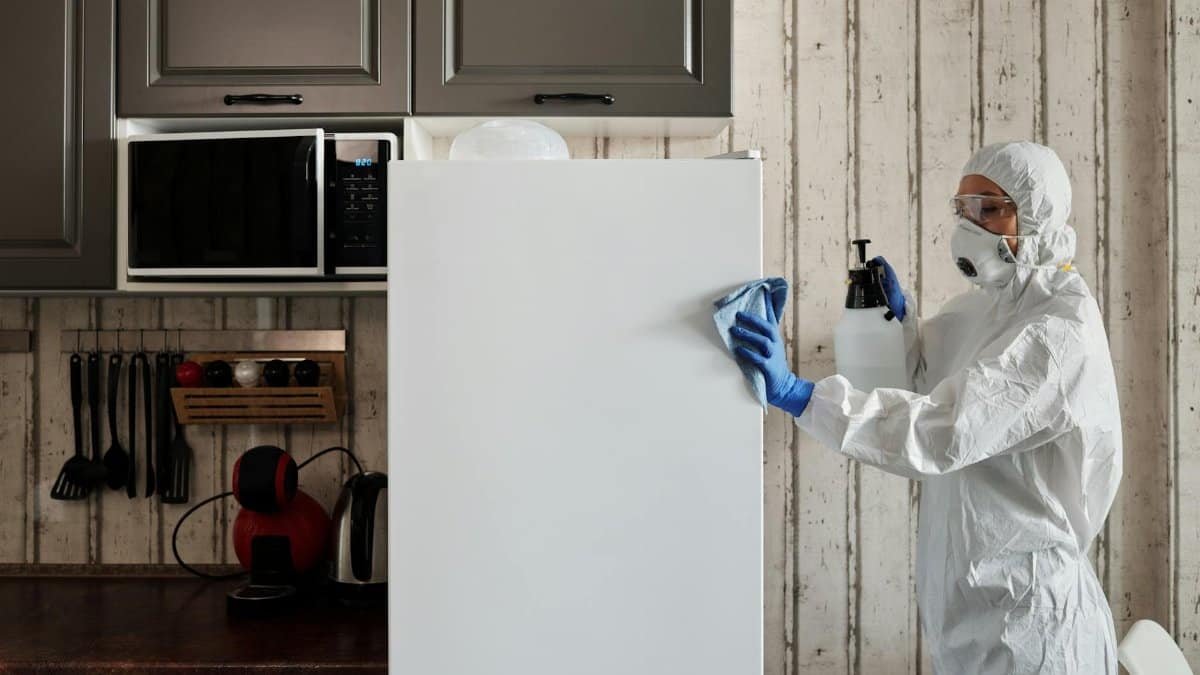
Toilet paper. Moist wipes. Plastic ties. Garbage bags double as liners. Hand sanitizer flows freely now. Portable potties suit apartments. Buckets with lids work in basements. Sewage backups breed disease. The Red Cross recommends enough for two weeks.Their guidelines cover bleach dilutions for cleaning. Feminine products stay stocked. Kids’ diapers too. Hygiene preserves dignity amid turmoil.
Documents and Cash in a Waterproof Case
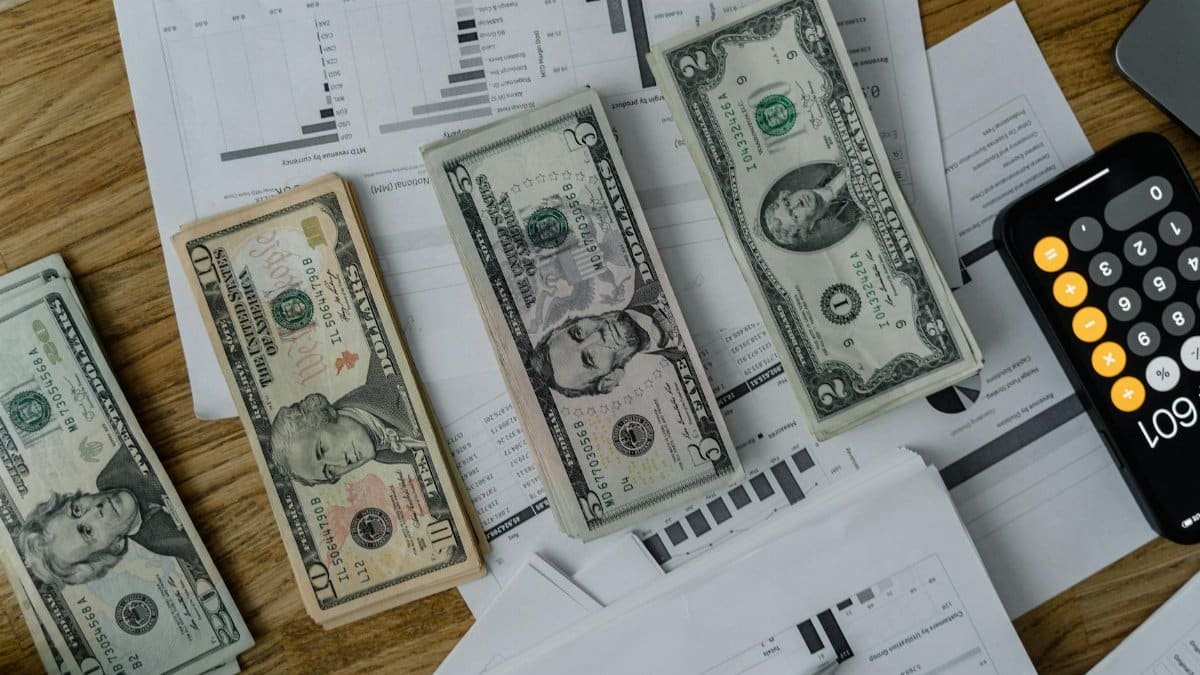
Passports. IDs. Insurance cards. Deeds. Cash in small bills buys gas when cards fail. ATMs go dark first. USB drives hold digital scans. Wills comfort in uncertainty. A California couple evacuated wildfires with just a folder. It sped claims later. Birth certificates prove identities. Pet records tag along. Update yearly. Lamination shields from damp.
Tools for Practical Fixes
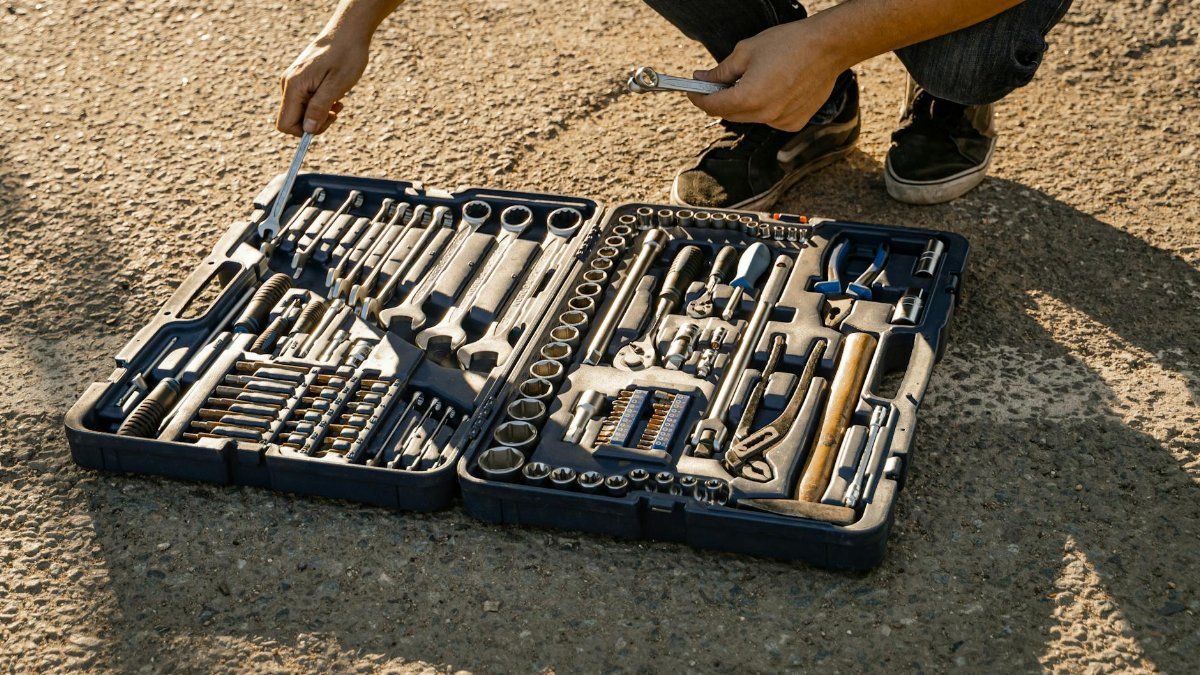
Duct tape seals cracks. Multi-tools cut wire. Rope hauls gear. Shovel clears paths. Whistle signals rescuers. Work gloves shield hands. Pliers twist shutoffs. A Colorado homeowner pried open his garage during floods using kit pliers. Hammers secure plywood. Axes split wood sparingly. Safety goggles protect eyes. Compact kits fit closets.
Shelter and Warmth Strategies
Mylar blankets reflect body heat. Sleeping bags rate for cold snaps. Tarps create tents. Extra pillows cushion floors. Tents store for backyards. During Iowa’s derecho winds, neighbors zipped into bags against drafts. Space blankets weigh nothing. Wool socks layer best. Matches in waterproof tubes ignite stoves. Fire starters beat lighters.
Tailoring Kits for Special Needs
Elderly folks need walkers. Hearing aids get batteries. Wheelchair ramps plan ahead. Service animals pack leashes. The FEMA site details customizations. New parents stock diapers. Mental health meds calm nerves. Cultural diets influence food picks. Test mobility routes. Practice grabs in dark.
Storage and Maintenance Rituals
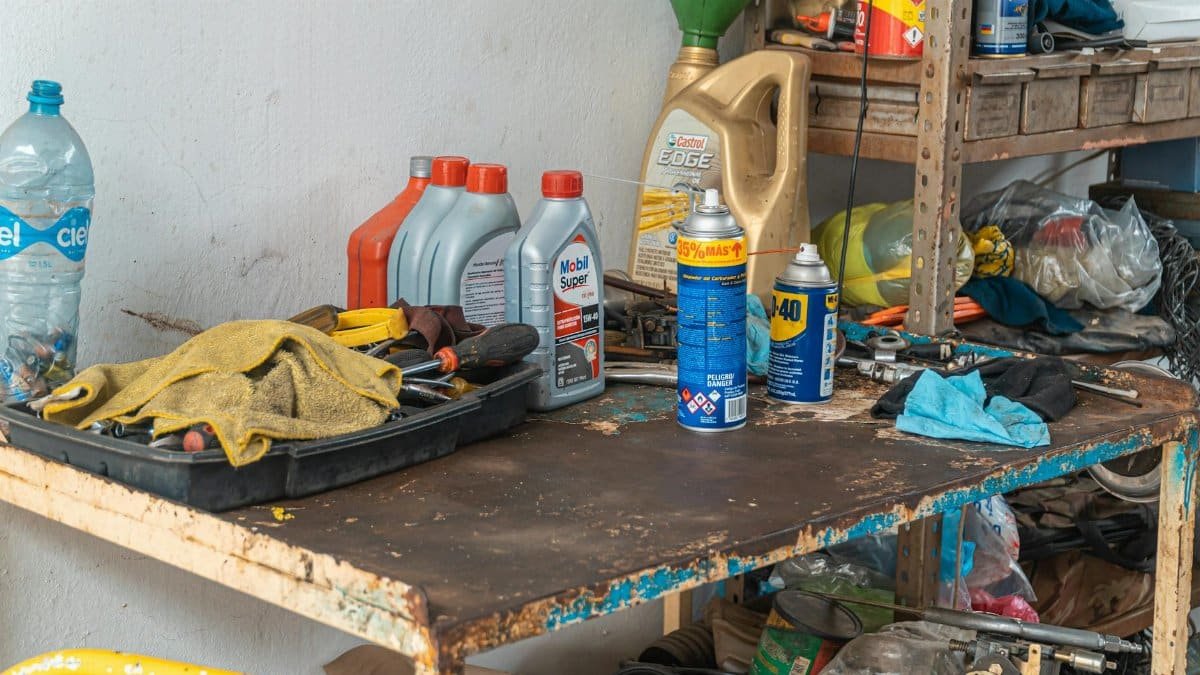
Basement shelves hold bulk. Hall closets suit quick access. Label bins clearly. Check twice yearly. Batteries corrode. Food spoils. Rotate systematically. Apps remind some. Garages risk floods or theft. One family in Florida bolted theirs down pre-hurricane. Inventory lists track gaps. Kids learn locations young.
Family Drills That Build Confidence

Gather everyone. Time the grab. Quiz contents. Role-play scenarios. Kids thrill at “earthquake shake.” Adults debate priorities. A Texas group practiced weekly post-Harvey. It sharpened instincts. Update for new members. Post lists on fridges. Apps simulate too. Readiness feels routine.
Community Ties Strengthen Solo Efforts

Neighbor pacts share tools. Block captains coordinate. Apps like Nextdoor connect. Churches stock communal kits. Rural areas form co-ops. Urban towers drill evacuations. One Midwest town pooled generators after tornadoes. Local fire stations offer classes. Bonds endure when power fades.
In an era of uncertainty, a home emergency kit stands as quiet insurance. It bridges the gap between normalcy and crisis. Families who assemble one report peace of mind. Governments echo the call. Start small. Build steadily. The next outage waits for no one.

Natasha is the heart of our exploration into conscious connection. Applying principles from multiple counseling courses in her own life, she guides you to cultivate stronger, more joyful bonds.
Disclaimer
The content on this post is for informational purposes only. It is not intended as a substitute for professional health or financial advice. Always seek the guidance of a qualified professional with any questions you may have regarding your health or finances. All information is provided by FulfilledHumans.com (a brand of EgoEase LLC) and is not guaranteed to be complete, accurate, or reliable.