

Stuck in traffic or crammed on a subway? Morning commute brain games are exploding in popularity, with apps like Lumosity reporting over 100 million downloads worldwide as commuters seek an edge. These quick mental drills promise sharper focus and less workday fog, turning dead time into brain-boosting gold. Experts say just 10 minutes can rev up cognition, backed by research showing cognitive training improves attention and memory. Here’s how five simple games can supercharge your ride to work.
Why the Commute is Perfect for Brain Games
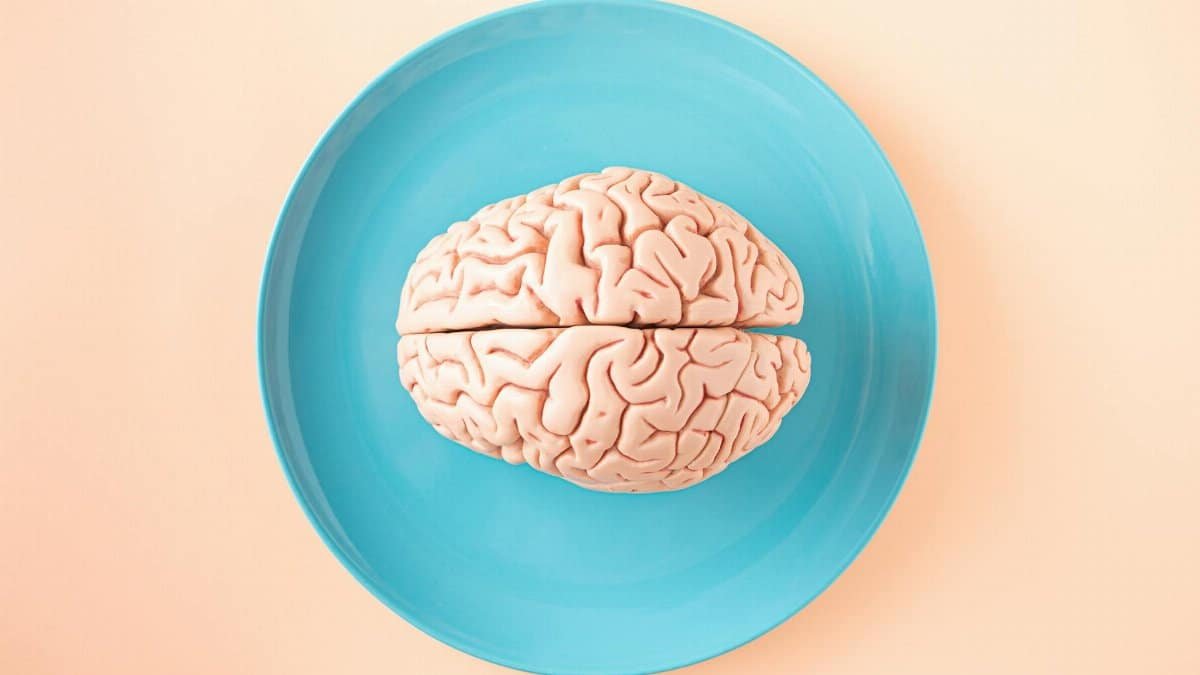
That daily slog offers untapped potential. Psychologists note the brain idles during passive travel, making it ripe for active challenges. A Harvard Health review of brain training highlights how short sessions enhance executive function, key for tackling emails and meetings. No equipment needed—just your mind. Commuters report arriving alert, not drained. Forget scrolling doom; these games demand engagement without distraction.
Game 1: Word Association Blitz
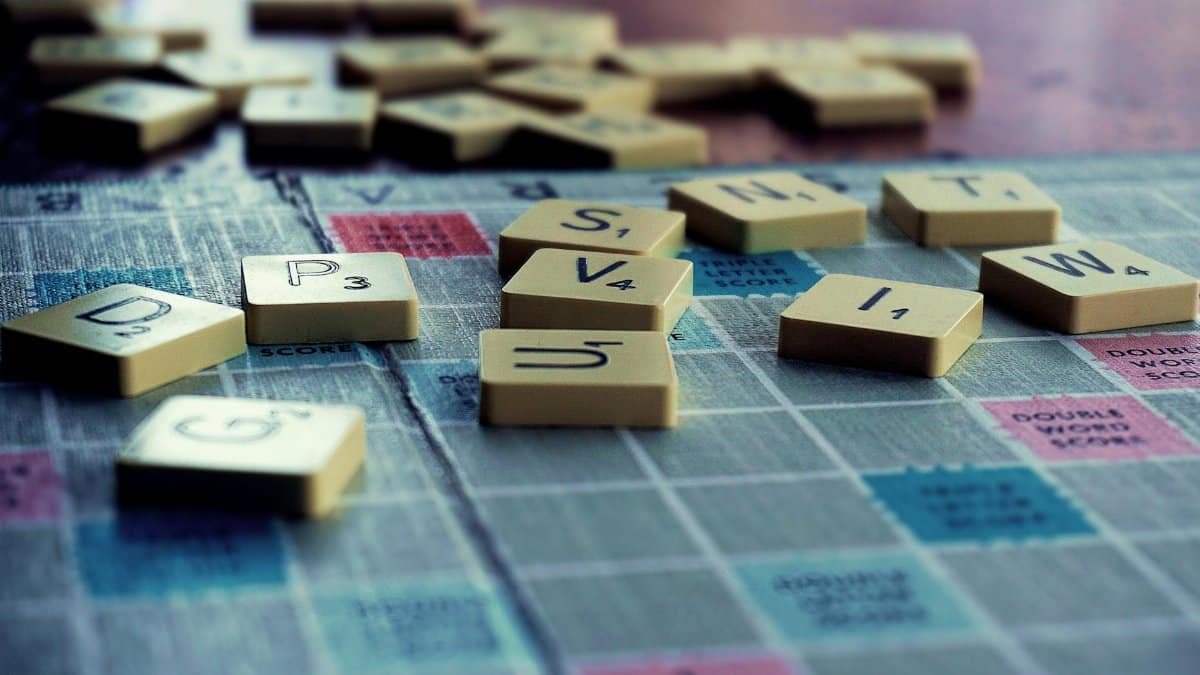
Spot a billboard? Say the first word it sparks, then chain associations aloud or mentally. Red truck? “Fire. Alarm. Panic. Rush hour.” Aim for 20 links in a minute. This fires up verbal fluency and lateral thinking, skills fading in routine-bound adults. Neuroscientists link it to better problem-solving; one study found association games boost divergent thinking by 15% after weeks of practice. Ideal for drivers at lights or train riders zoning out.
Game 2: Mental Math Marathon
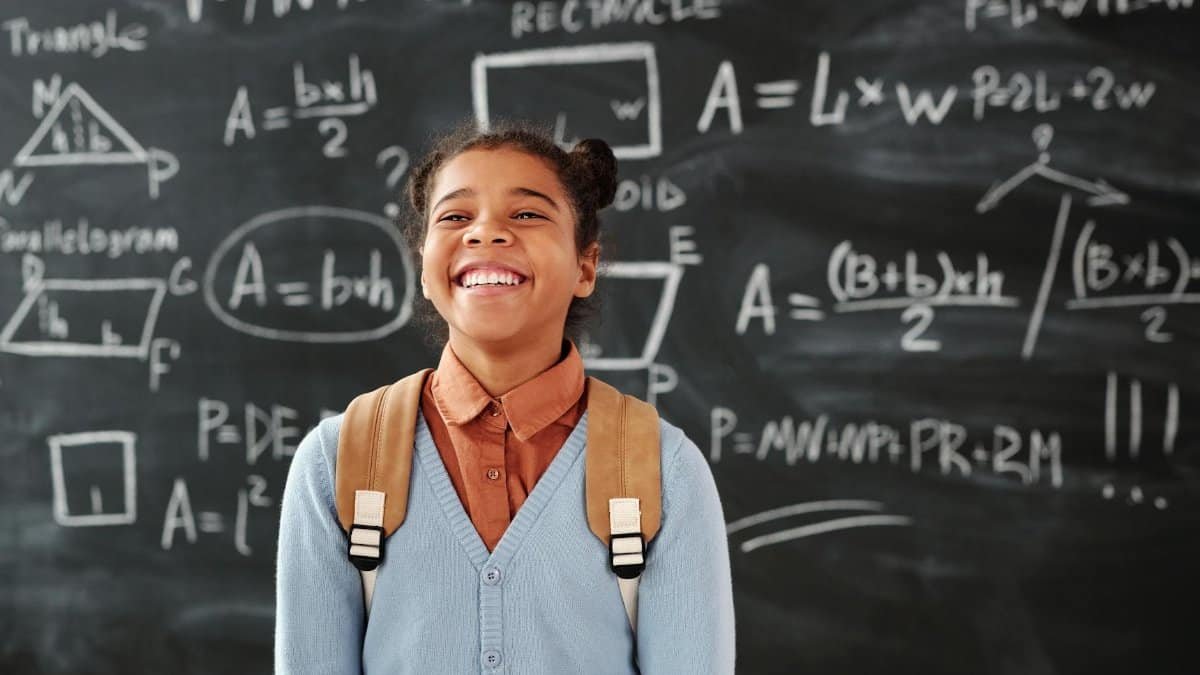
Pick numbers from license plates or ads: 47 + 23 x 2? Solve without fingers. Start simple, ramp up—divide commute time into sets of 10. Quick arithmetic strengthens working memory and speed, vital for data-heavy jobs. Research from the American Psychological Association confirms math drills transfer to real-world tasks like budgeting or analytics. Bonus: It cuts stress, as calculation crowds out road rage.
Game 3: Memory Lane Recall

Commit your route’s details to memory: Count blue cars passed, recall store signs backward. At the next stop, quiz yourself. This hones short-term recall, combating the “where’d I put my keys” epidemic. Studies show memory games thicken neural pathways in the hippocampus, per brain scans. Commuters like NYC exec Maria Lopez say it sharpened her pitch prep: “I nailed details I usually blank on.” Hands-free and scalable for any transit mode.
Game 4: Observation Overdrive
Scan surroundings for oddities: What’s unique about that pedestrian’s hat? Invent backstories based on clues. Then verify mentally. This turbocharges pattern recognition and empathy, skills bosses crave. Cognitive experts tie it to improved situational awareness, reducing commute mishaps too. A quick round takes seconds but builds mindfulness. Tech worker Raj Patel credits it for spotting office trends early: “My brain’s now wired for details.”
Game 5: Storytelling Sprint

Build a tale from overheard snippets or sights: The barista with tattoos becomes a spy on the lam. Weave in commute elements for absurdity. Cap at 60 seconds per story. Narrative play sparks creativity and sequencing, per creativity research. It counters monotony, prepping divergent thinkers for brainstorming sessions. Writers and marketers thrive on this; one user logged 50 stories weekly, landing a promotion.
The Science That Backs Morning Commute Brain Games
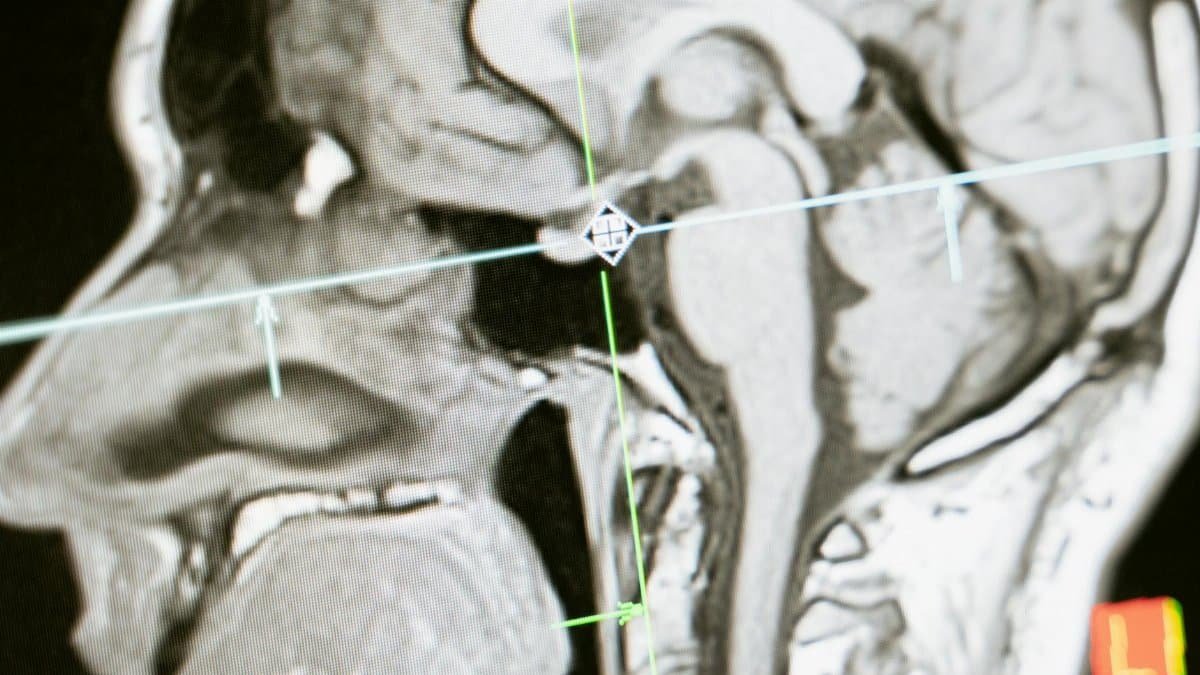
Don’t dismiss these as fluff. Meta-analyses confirm targeted training yields measurable gains in attention and processing speed, especially for ages 25-55. The key? Consistency over intensity—perfect for 20-minute rides. While no game turns you into Einstein overnight, combined effects mimic gym reps for gray matter. Skeptics point to transfer limits, but daily users report sustained focus boosts. Pair with coffee for max effect.
Top Apps to Level Up Your Games
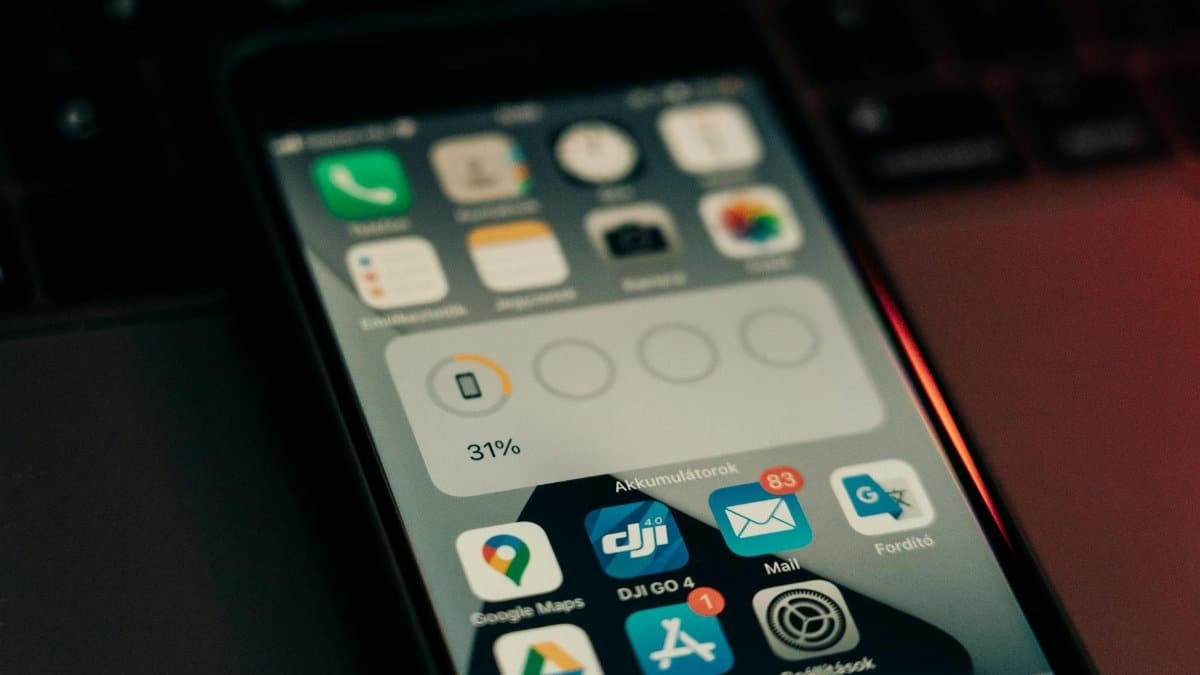
Go digital with Elevate or Peak, offering commute-tailored puzzles. Elevate’s math and memory modules clock millions of sessions. Free tiers suffice; premium unlocks progress tracking. Lumosity’s commute playlist integrates seamlessly. Track streaks to stay hooked. Data shows app users stick 3x longer than solo players, compounding benefits. Download before your next ride—no excuses.
Real Commuters Weigh In

“These games killed my mid-morning slump,” says LA driver Tom Reyes. Chicago straphanger Lena Kim adds, “I arrive ready to crush it.” Forums buzz with similar wins, from better recall to mood lifts. Even skeptics convert after a week. Safety first: Eyes on the road for drivers; audio modes work wonders. Make it habit, and your commute flips from chore to cheat code.
In a world of distractions, morning commute brain games deliver edge without effort. Start today—your sharper self awaits at the office door.

A certified hypnotherapist, Reiki practitioner, sound healer, and MBCT trainer, Christopher guides our journey into the spiritual dimension, helping you tap into a deeper sense of peace and awareness.
Disclaimer
The content on this post is for informational purposes only. It is not intended as a substitute for professional health or financial advice. Always seek the guidance of a qualified professional with any questions you may have regarding your health or finances. All information is provided by FulfilledHumans.com (a brand of EgoEase LLC) and is not guaranteed to be complete, accurate, or reliable.