
A recent report from the Federal Deposit Insurance Corporation shows that the average interest rate on traditional savings accounts languishes at 0.41 percent as of early 2024, while high-yield alternatives routinely top 4.5 percent or more.FDIC Quarterly Banking Profile (Q1 2024). This disparity has caught millions off guard. Savers who stuck with big-bank accounts watched inflation erode their cash. Meanwhile, those dipping into high yield savings basics discovered a quiet way to fight back. Interest compounds quietly. Emergency funds grow. The shift feels straightforward now, but it marks a real change in how everyday Americans handle money amid rising costs. Rates fluctuate with the economy. Still, grasping these basics unlocks better returns without added risk.
What Defines a High-Yield Savings Account?

High-yield savings accounts stand apart through superior annual percentage yields, or APYs. Banks and credit unions offer them online, often without branches. Picture a family in suburban Ohio stumbling upon this during a budget review. Dad checks the app. Their old account earned pennies. A new one promised dollars monthly on the same balance. Core to high yield savings basics: liquidity. Withdraw funds anytime, usually up to six times monthly under federal rules, though many waive that limit now. No lock-in like CDs. Safety matches traditional savings. These accounts thrive in a digital era, drawing depositors seeking efficiency.
The Mechanics of Interest Compounding
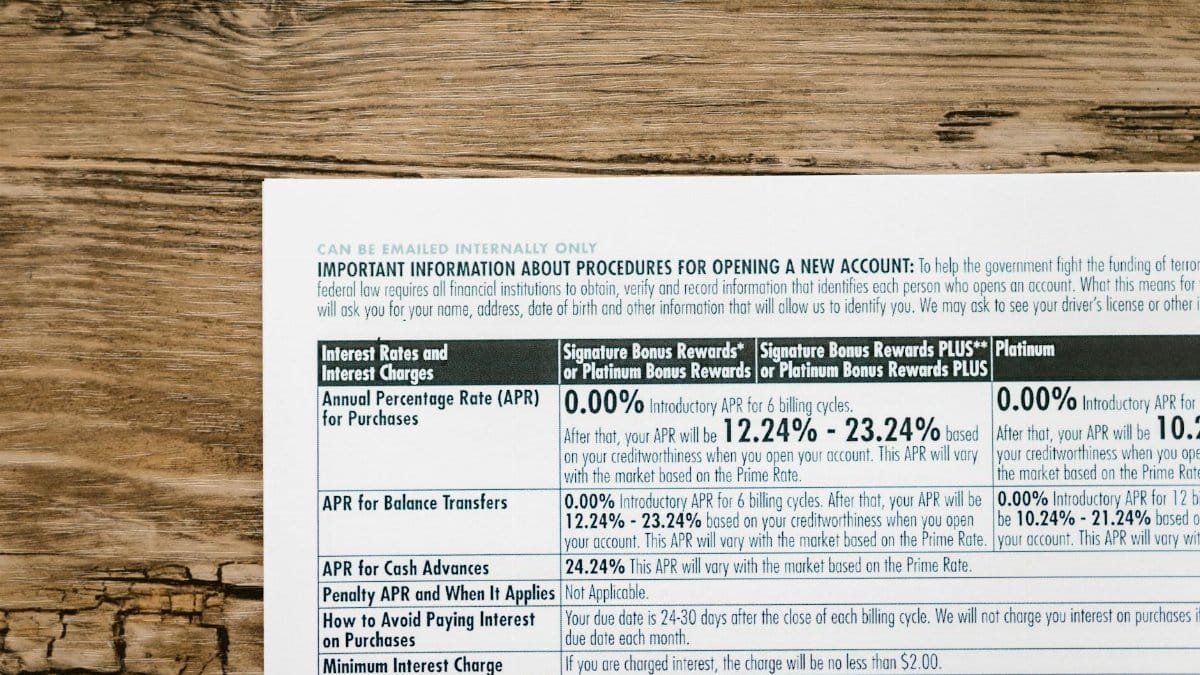
Interest accrues daily in most high-yield accounts, credited monthly. Compounding turns small gains exponential over time. Start with $10,000 at 5 percent APY. After one year, it grows to $10,512.50. Year two: $11,038.13. A simple calculation, yet transformative for long-term savers. Online calculators from reputable sites confirm this math. Rates tie to the federal funds rate, set by the Federal Reserve. When the Fed hikes, yields climb. Savers benefit. During low-rate periods, like post-2008, high-yield options still edged out averages. One forum poster recalled: “My emergency pot sat idle for years. Compounding woke it up, adding $300 unexpectedly last year.” Patience pays.
FDIC Insurance: The Safety Net Explained

Every high-yield account worth considering carries FDIC insurance up to $250,000 per depositor, per bank. This government backstop covers failures, rare as they are. Since 1933, no insured depositor has lost a penny.FDIC Deposit Insurance Overview. Verify coverage easily via the FDIC’s BankFind tool. Credit unions use NCUA protection, identical in scope. High yield savings basics emphasize this: competitive rates do not mean corner-cutting on security. Shop beyond yield. Confirm the insurer. A Chicago couple learned this the hard way after a rate-chasing mishap with an uninsured fintech. They recovered, but stress mounted.
Traditional Savings vs. High-Yield: A Side-by-Side

Brick-and-mortar banks tout convenience. Their savings accounts yield 0.01 to 0.50 percent. High-yield challengers, mostly online, deliver 4 to 5.25 percent. Access differs. ATMs? Sparse for digital banks. Transfers take one to three days. Yet apps simplify tracking. Data from the Consumer Financial Protection Bureau highlights the trend: online banks hold growing deposits.CFPB Banking Research Reports. (Note: Broader deposit trends align here.) For retirees or young professionals, the choice clarifies. Traditional suits teller chats. High-yield prioritizes growth. Many split funds across both.
Factors Driving Current High Rates

The Federal Reserve’s aggressive hikes since 2022 propelled yields skyward. Benchmark rates hit 5.25 to 5.50 percent, peaking in mid-2023. High-yield accounts shadowed closely.Federal Reserve FOMC Calendars and Statements. Inflation cooled to 3 percent by mid-2024, but cuts loom. Expect yields to dip gradually. Still, they outpace inflation. Savers in swing states, facing property tax squeezes, flock online. A recent public account captured it: “Rates finally beat my grocery bill hikes. Felt like winning for once.” Timing matters. Lock in now? Or wait? Economists debate.
How to Choose the Right High-Yield Account

Scan comparison sites like Bankrate or DepositAccounts for top APYs. Minimum deposits? Often zero. Check withdrawal limits. Mobile app quality varies. Ally Bank shines for tools. Marcus by Goldman Sachs for no-fee transfers. Read reviews. Avoid teaser rates that plunge after 90 days. Build a shortlist of three. Open via secure links. Link your funding account. Transfer starts earning instantly. High yield savings basics reward diligence. A Denver teacher did just this. She moved $20,000. Six months later, $500 extra interest funded a family vacation.
Navigating Fees and Minimums

True high-yield accounts shun monthly fees. Some impose them for low balances, but top ones do not. Excess withdrawal penalties? Federal Regulation D relaxed them post-pandemic. Still, monitor. Out-of-network ATM fees hit online users. Wire transfers cost extra. Aim for fee-free. International wires? Rare need for savings. One pitfall: inactivity fees on forgotten accounts. Set alerts. Transparency defines leaders. Compare via NerdWallet summaries, backed by FDIC data.
Using High-Yield for Emergency Funds

Experts recommend three to six months’ expenses in cash equivalents. High-yield fits perfectly. Accessible. Growing. Beats money market funds slightly now. A single mom in Atlanta built hers amid job uncertainty. Started at $5,000. Added paychecks. Yield covered car repairs without debt. Ladder with CDs for portions if rates fall. Track via spreadsheets or apps. Rebalance yearly. This core tactic in high yield savings basics shields against life’s curveballs.
Tax Rules and Reporting

Interest counts as taxable income. Banks issue 1099-INT forms over $10 annually. Report on Schedule B. High earners face phase-outs on other deductions, but savings interest stands alone. State taxes vary. IRAs offer tax-sheltered high-yield options, though withdrawals differ. Consult IRS guidelines.IRS Topic No. 403: Interest Received. Plan withholdings to avoid surprises. Savvy users max Roth contributions first, then high-yield taxable.
Looking Ahead: Will Rates Hold?
Projections point to Fed cuts through 2025, easing yields to 3-4 percent. Still above historical norms. Fintechs innovate with AI-driven rates. Community banks join the fray. Competition benefits savers. High yield savings basics evolve, but principles endure: seek yield safely, diversify, stay informed. For middle-class families, this tool endures as inflation lingers. Start small. Watch it grow. The math favors action.

With a career spanning investment banking to private equity, Dominik brings a rare perspective on wealth. He explores how money can be a tool for personal freedom and positive impact, offering strategies for abundance that align with your values.
Disclaimer
The content on this post is for informational purposes only. It is not intended as a substitute for professional health or financial advice. Always seek the guidance of a qualified professional with any questions you may have regarding your health or finances. All information is provided by FulfilledHumans.com (a brand of EgoEase LLC) and is not guaranteed to be complete, accurate, or reliable.