

A recent report from the Centers for Disease Control and Prevention shows that adults who walk briskly for 30 minutes most days cut their risk of heart disease by up to 30 percent. Yet only about half of Americans meet that basic threshold. This gap highlights the untapped power of morning walk routine benefits. In an era of sedentary jobs and screen fatigue, starting the day on foot offers more than exercise. It delivers a cascade of gains, from sharper focus to deeper calm, reshaping how millions greet the dawn. As cities fill with early risers laced up in sneakers, the ritual proves simple yet profound.
Physical Vitality from the First Steps

Dawn breaks over neighborhood sidewalks. Feet hit pavement in steady rhythm. Bodies awaken. Morning walks ignite metabolism early, burning calories when the system runs most efficiently. Muscles loosen. Joints lubricate naturally. Consider a middle-aged office worker in Chicago. He laces up before coffee, covers two miles. By noon, energy surges without the midmorning crash.
Research backs this. The American Heart Association notes regular walking strengthens the heart, lowers blood pressure, and improves circulation.American Heart Association on Walking Benefits. No gym required. Just open air and motion. Over weeks, stamina builds. Stairs feel easier. Groceries weigh less. The body adapts, craves the routine.
Mental Health Boost in Fresh Air
Endorphins flood the brain mid-stride. Worries fade with each block. Morning walk routine benefits shine brightest here. Sunlight triggers serotonin production, combating seasonal blues. A brisk pace clears mental fog, rivals caffeine’s jolt.
One anonymous account from online forums captures it: “That first walk pulled me from a rut. Colors popped. Ideas flowed.” Such stories echo studies. Harvard Health reports exercise like walking reduces depression symptoms as effectively as medication for some.Harvard Health on Exercise and Depression. Cortisol drops. Resilience rises. Walkers report fewer anxious days.
Enhanced Focus for the Workday Ahead

What happens after the walk? Desk time transforms. Brains primed by oxygen-rich blood tackle tasks with clarity. Morning exercise sharpens cognition, aids memory. Neuroscientists link it to hippocampal growth, the brain’s learning center.
Picture a Seattle teacher. She walks her dog at 6 a.m., rain or shine. Lesson plans sharpen en route. Students notice her poise. A National Institutes of Health overview confirms: moderate walking boosts executive function.NIH News in Health on Exercise and Brain Health. Distractions dwindle. Emails process faster. Productivity climbs without burnout.
Weight Management Made Effortless

No diets. No apps. Steady steps accumulate. Morning walks torch 200 to 300 calories per half-hour, depending on pace. They curb appetite hormones, prevent overeating later. Bodies shift to fat-burning mode post-fast.
Mayo Clinic experts emphasize consistency over intensity.Mayo Clinic Walking Guide. A Portland retiree dropped 15 pounds over months, simply strolling park paths. Clothes fit looser. Confidence grows. The routine fosters mindful eating, sidesteps crash diets’ pitfalls.
Sweeter Sleep Through Daylight Exposure

Counterintuitive, perhaps. Morning light sets circadian rhythms straight. Walkers align with natural clocks, easing into deeper nights. Melatonin surges at dusk. Insomnia fades.
Trials show early exercisers sleep longer, wake refreshed. Evening screen glow disrupts less. A Boston couple swapped late workouts for sunrise loops. Bedtimes stuck. Mornings energized. The pattern reinforces itself, creating virtuous cycles.
Heart Protection That Lasts

Arteries thank the effort. Daily walks reduce plaque buildup, steady heartbeats. Risks of stroke and diabetes plummet. Longevity data from large cohorts prove it: walkers outlive sedentary peers by years.
Fridays bring longer routes for many. Crisp air invigorates. Pulses strengthen. Public health campaigns urge this baseline. Governments tout it. Individuals live it.
Stress Reduction in Motion

Deadlines loom. News cycles churn. Feet moving ground the chaos. Morning walk routine benefits include cortisol control. Nature sounds drown inner noise. Birds chirp. Leaves rustle. Mindfulness emerges organically.
Therapists prescribe it now. Group walks bond communities. A Denver dad shares: walks with his kid dissolve tensions. Laughter replaces lectures. Bonds deepen.
Social Ties Forged on Sidewalks
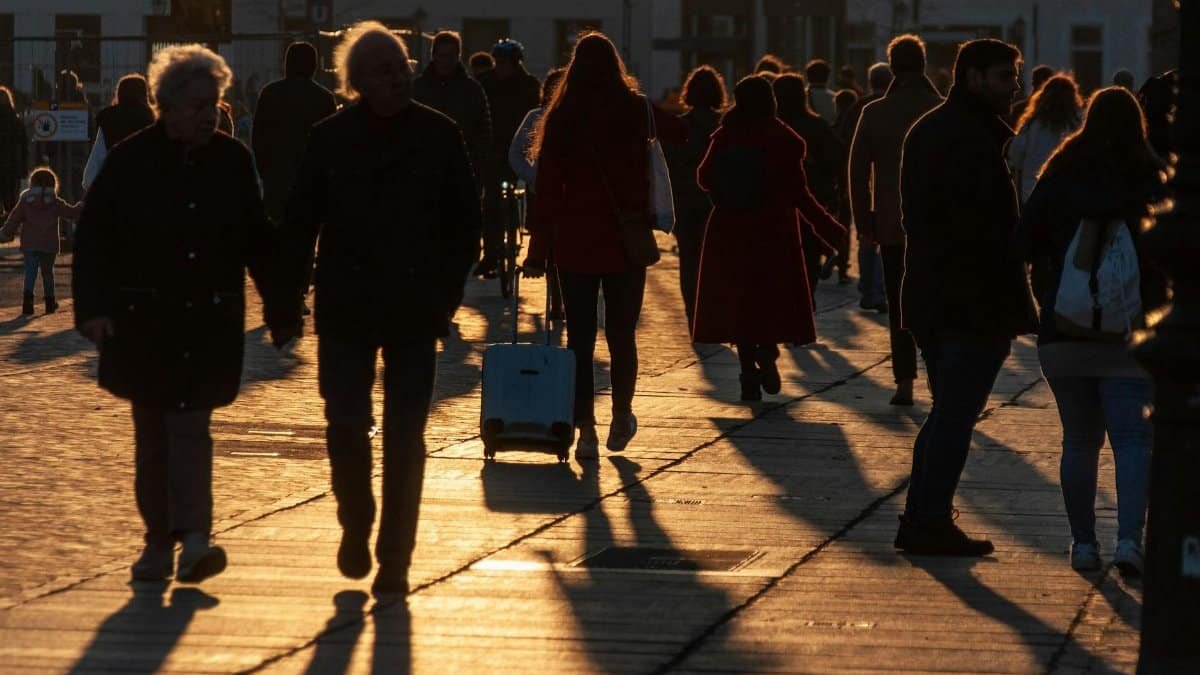
Solitary or shared, walks connect. Neighbors wave. Conversations spark. Dog parks buzz with chatter. Morning hours build unexpected friendships, combat isolation.
Post-pandemic, this matters. Loneliness epidemics grip cities. Walks counter it subtly. Regulars form packs, swap stories. Health ripples outward.
Nature’s Role in the Ritual

Urban greenways. Suburban trails. Parks at dawn teem with dew-kissed paths. Sensory immersion heals. Scents of pine. Cool breezes on skin. Vitamin D soaks in.
Biodiversity boosts mood further. Studies tie green exposure to lower inflammation. Walkers in varied terrains report heightened well-being. Variety keeps it fresh. Hills challenge. Flats restore.
Simple Ways to Start and Stick

Barriers crumble with tweaks. Lay out shoes night before. Pair with podcasts. Track miles via free apps. Weather? Layers work. Buddy systems motivate.
Communities host dawn clubs. Apps send nudges. Success stories proliferate. Beginners graduate to 10Ks. Habits embed.
Long-Term Rewards Beyond the Horizon
Years unfold differently. Fewer doctor visits. Vitality persists into seventies. Morning walk routine benefits compound. Families benefit. Societies thrive on healthier populations.
Economists project savings in healthcare billions. Individuals claim fuller lives. The walk, once optional, becomes cornerstone. Dawn calls. Answers accumulate.

As an education professional with a background in Biology and Physics, Dr. Christoph Weber is the analytical heart of Fulfilled Humans. He ensures every piece of content is insightful and grounded in credible knowledge.
Disclaimer
The content on this post is for informational purposes only. It is not intended as a substitute for professional health or financial advice. Always seek the guidance of a qualified professional with any questions you may have regarding your health or finances. All information is provided by FulfilledHumans.com (a brand of EgoEase LLC) and is not guaranteed to be complete, accurate, or reliable.