

Grocery prices jumped 25% from 2020 to 2023, according to the Bureau of Labor Statistics, squeezing family budgets nationwide. Desperate households turned to proven tactics to save money on groceries, slashing weekly bills by up to 30% in some cases. From apps to old-school lists, these strategies deliver real savings amid stubborn inflation. Here’s how everyday shoppers pull it off.
1. Master the Shopping List

Impulse buys inflate carts by 20-30%, experts say. Start with a strict list based on meals for the week. Apps like AnyList sync it across devices for family input. One mom in Ohio cut her bill from $150 to $110 weekly by ditching the “grab what looks good” habit. Pin the list to your fridge door. Scan it twice before checkout.
2. Hunt Weekly Sales and Flyers

Grocery chains rotate deep discounts every Tuesday or Wednesday. Pull flyers from store apps or sites like Flipp, which aggregates them. Target proteins and produce first, as they fluctuate most. A Chicago family stocked chicken at $1.49 per pound last month, beating regular $3 prices. Time trips midweek to snag markdowns before shelves empty.
3. Embrace Store Brands

Generics match name brands in blind taste tests 80% of the time, per Consumer Reports. They cost 25% less on average. Swap Kellogg’s for the house cereal, Hellmann’s for store mayo. Quality holds up, and savings compound. Trader Joe’s and Aldi lead here, with fans reporting 15-20% overall cuts without skimping on flavor.
4. Plan Meals Around What’s on Sale

Reverse the process: Check ads first, then build menus. Ground beef cheap? Tacos Tuesday through Friday. This curbs waste, too, since Americans toss 30% of food. Tools like Eat This Much auto-generate plans from your sales picks. A Texas couple dropped from five to three grocery runs monthly, saving $200.
5. Leverage Coupons and Cash-Back Apps

Ibotta and Fetch Rewards rebate 1-20% per item scanned post-shop. Pair with store loyalty cards for stacking. Pro tip: Clip digital coupons via store apps before entering. Users average $15-25 back per trip. Avoid printer jams; everything’s mobile now. One Detroit shopper cleared $300 in rebates last year on staples alone.
6. Buy in Bulk Wisely
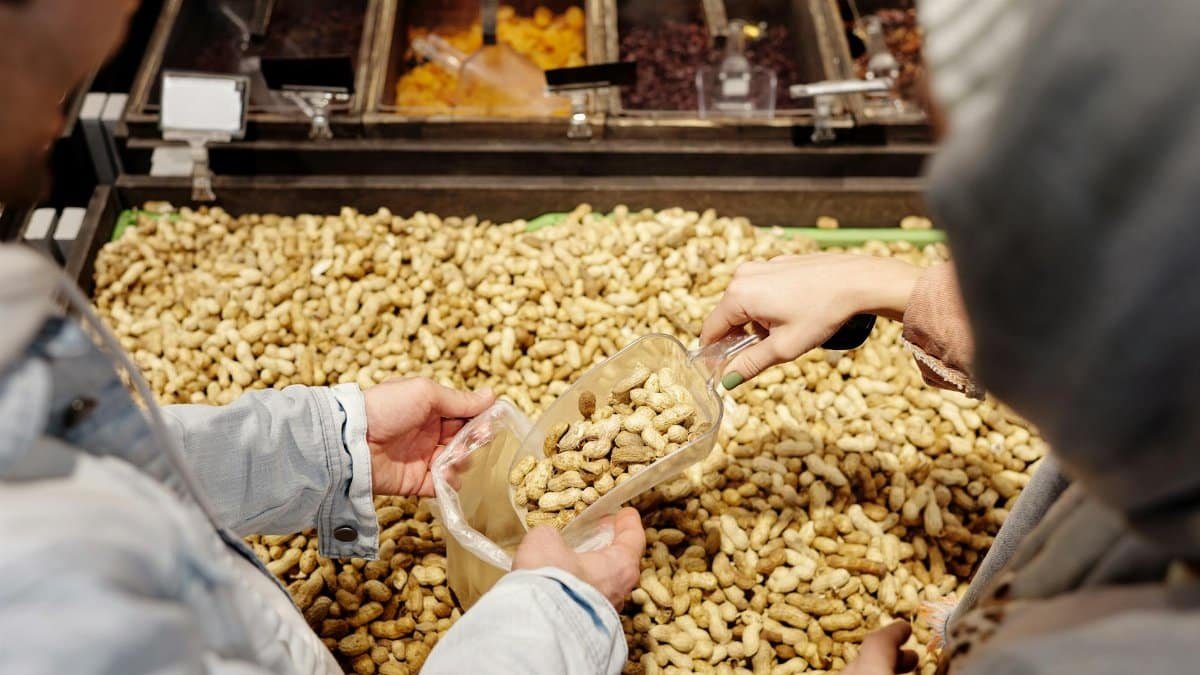
Costco or Sam’s Club shines for non-perishables like rice, nuts, and toiletries. Split hauls with neighbors to dodge spoilage. Check unit prices: A 5-pound flour bag often beats small ones by 40%. Freeze meats in portions. Pitfalls? Overbuying perishables. Focus on shelf-stable goods for max value.
7. Shop the Perimeter and Seasons

Store cores pack pricier processed foods. Stick to outer aisles for fresh meats, dairy, and veggies. Buy seasonal produce: Strawberries drop 50% in summer. Farmers markets beat supermarkets on weekends for local deals. A Florida retiree halved her fruit spend by timing harvests, per her local paper.
8. Time Trips and Use Self-Checkout

Hit stores early mornings or late evenings for slimmer crowds and fresher stock. Self-checkout skips bagger tips and upsells. Some chains discount near-expiry items then. Avoid weekends entirely. Data from Bureau of Labor Statistics shows food costs still rising 1.1% yearly, so every minute counts.
These moves add up fast. A 2023 survey by Consumer Reports found disciplined shoppers trimmed 18% off bills. Track your own with a simple spreadsheet. Inflation may linger, but your wallet doesn’t have to suffer. Start small, one tip at a time, and watch savings stack.

With a career spanning investment banking to private equity, Dominik brings a rare perspective on wealth. He explores how money can be a tool for personal freedom and positive impact, offering strategies for abundance that align with your values.
Disclaimer
The content on this post is for informational purposes only. It is not intended as a substitute for professional health or financial advice. Always seek the guidance of a qualified professional with any questions you may have regarding your health or finances. All information is provided by FulfilledHumans.com (a brand of EgoEase LLC) and is not guaranteed to be complete, accurate, or reliable.