
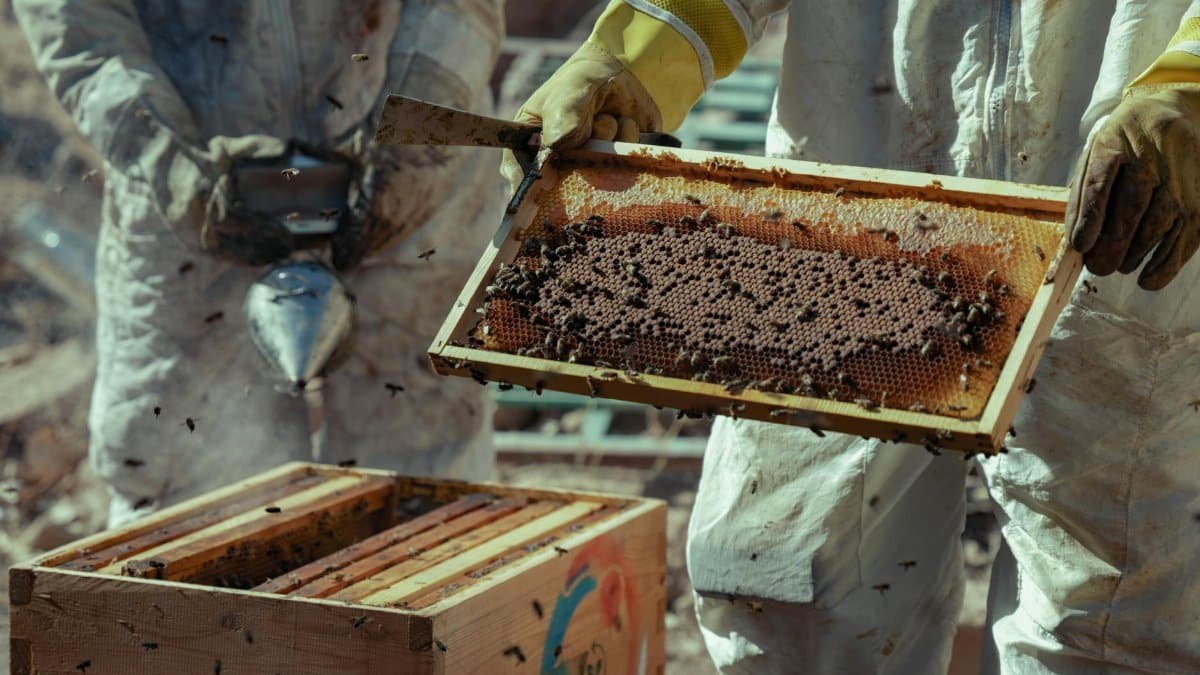
Sunlight filtered through the canopy of oak trees in Brooklyn’s Prospect Park as a volunteer carefully inspected a row of wooden beehives nestled near the edge of a wildflower meadow. Runners passed by without a second glance, but the quiet hum inside those boxes marked a growing movement. Urban beekeeping benefits are transforming city green spaces, one hive at a time. These efforts promise more than honey; they deliver pollination power to struggling park flora, foster community ties, and signal a shift toward resilient urban ecosystems. In parks from coast to coast, beekeepers are proving that even concrete jungles can nurture vital pollinators.
Reviving Pollination in Concrete Jungles
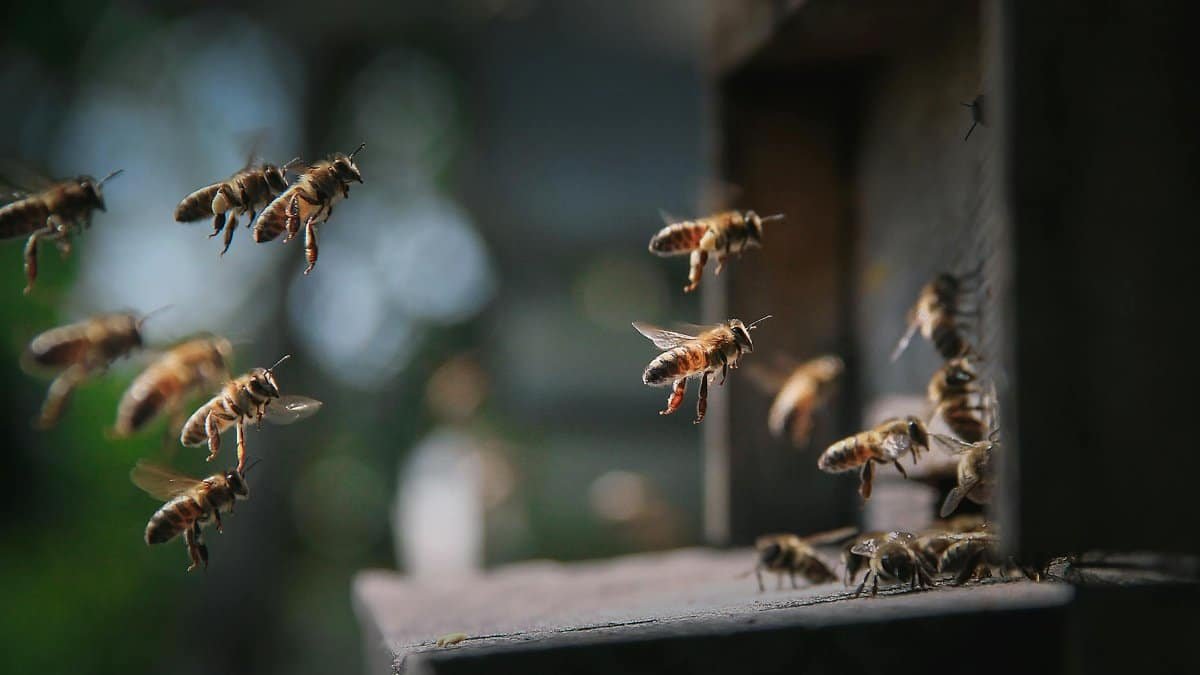
Flowers in urban parks often struggle. Air pollution and fragmented habitats leave many plants underpollinated. Enter urban beehives. Placed strategically along park edges or rooftops overlooking green areas, they dispatch bees to nearby blooms. Consider Golden Gate Park in San Francisco. Hives there have boosted fruit set on apple trees by 30 percent, according to local horticulturists. Bees forage within a two-mile radius, ensuring park gardens thrive without chemical interventions. This natural boost extends to vegetable plots in community sections, yielding fuller harvests for visitors. Park managers note fewer barren patches since hives arrived. The result? Lusher landscapes that draw more families.
Biodiversity Gains from Rooftop Hives
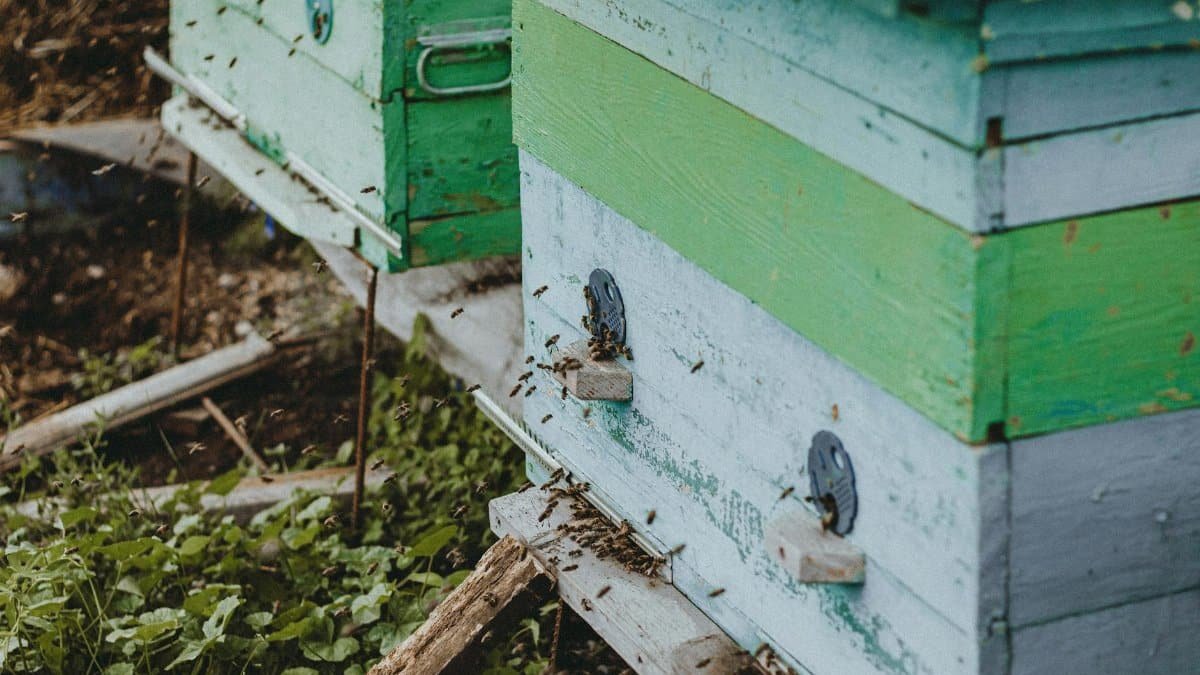
Urban parks teem with life, yet native pollinators dwindle. Urban beekeeping benefits shine here. Honeybees, though not native, support broader ecosystems by aiding wild species. A study from Penn State University highlights how urban hives increase floral visitation rates in nearby parks by up to 50 percent. Researchers observed bees crossing into meadows, sparking chain reactions. Butterflies and solitary bees followed, diversifying pollen carriers. In Seattle’s Discovery Park, beekeepers report sightings of rare hoverflies post-hive installation. These shifts matter. Healthier biodiversity means sturdier food webs, resilient against pests or drought. Parks become living laboratories, not just lawns.
For more on urban bee impacts, see Penn State Extension’s guide.
Community Bonds Strengthened by Shared Hives

Parks serve as neighborhood hearts. Urban beekeeping weaves people into that pulse. Volunteer groups maintain hives, hosting workshops that pack picnic areas. In Washington’s Rock Creek Park, families don suits to learn extraction techniques. One longtime resident shared how hive-tending Sundays turned acquaintances into friends. “We talk roots while bees work theirs,” she said. These gatherings combat isolation in dense cities. Benefits ripple outward. Participants gain stewardship pride, leading to cleaner trails and more trash pickup. Parks feel owned, not just visited. Such engagement sustains green spaces long-term.
Educational Hives as Park Gateways

Children chase pigeons in parks, but few grasp the insects sustaining it all. Urban beekeeping benefits flip that script. Interpretive signs near hives explain bee dances and wax cycles. Schools partner for field trips, turning abstract lessons real. At Philadelphia’s Fairmount Park, kids harvest their first comb, eyes wide. Teachers praise the hook: pollinators make biology stick. This education fosters future advocates. Adults, too, linger at observation windows, pondering colony math. Parks evolve into classrooms, blending play with purpose. The payoff? Informed citizens who vote for green policies.
Honey Harvests Fueling Park Funds
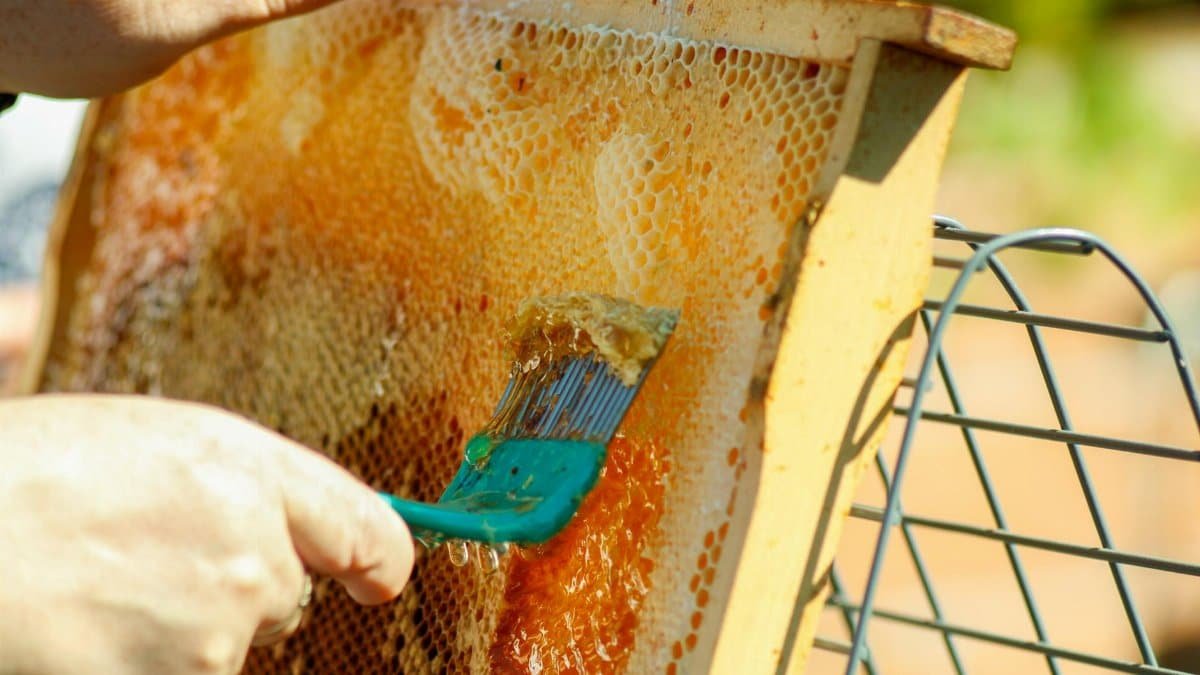
Sweet returns await. Urban hives produce honey flavored by park botanicals—clover tang from lawns, linden notes from avenues. Sales at park cafes or markets generate revenue. Chicago’s Lincoln Park Conservatory jars fetch premium prices, funding new plantings. One season’s yield covered half a wildflower bed expansion. Urban beekeeping benefits thus self-finance. Beekeepers donate portions, closing the loop. No grants needed; nectar pays dividends. This model spreads, tempting budget-strapped municipalities.
Monitoring Urban Health Through Bee Sentinels

Bees absorb city air like sponges. Their hives in parks serve as barometers. Scientists sample wax for heavy metals, pollen for pesticides. Findings guide cleanup. A North Carolina State University analysis shows urban bees flag pollution hotspots near parks, prompting targeted fixes. In Detroit’s Belle Isle Park, hive data spurred waterway restoration. Urban beekeeping benefits extend to public health insights. Thriving colonies signal cleaner environs. Weak ones? Red flags for action. Parks double as science outposts, benefiting beyond borders.
Details on bee monitoring appear in NC State Extension resources.
Climate Resilience Boosted by Park Pollinators
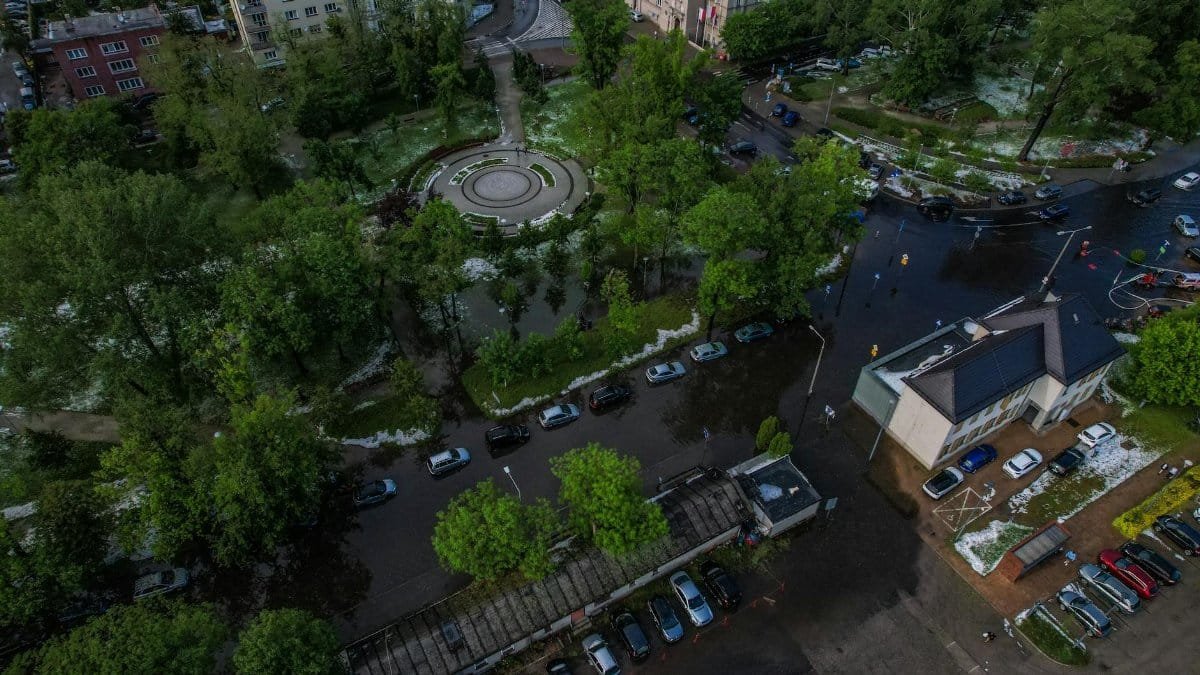
Heat waves scorch city parks. Plants wilt, visitors flee. Bees change that. Urban hives ensure stressed blooms still set seed, rebuilding cover. EPA reports note pollinators enhance urban greenery tolerance to extremes. In Miami’s Bayfront Park, post-hurricane hives accelerated mangroves’ rebound. Flowers reseeded faster, shading soil. Urban beekeeping benefits build buffers against warming. Diverse forage preps bees for scarcity, too. Parks emerge tougher, inviting people back amid change.
Explore urban pollinator roles via EPA’s pollinators in cities page.
Aesthetic Lift from Buzzing Meadows
Parks dazzle with color post-bee arrival. Pollinated flowers multiply—vibrant coneflowers, sunlit black-eyed Susans. Visitors pause, cameras out. In Boston’s Common, meadows transformed from sparse to spectacular. Photographers flock, boosting park fame. Urban beekeeping benefits beautify without bulldozers. Pathways wind through fuller borders, benches face fuller views. Serenity sells. Social media amplifies, drawing tourists. Parks glow, hearts of livable cities.
Challenges and Safeguards in Park Apiaries

Not all smooth. Varroa mites plague hives; pesticides drift. Savvy beekeepers treat organically, site hives from playgrounds. Regulations vary—some cities ban rooftops, others embrace. NYC Parks permits with training. Success hinges on knowledge. A recent online account captured a beekeeper’s trial: “Lost two colonies to rain, but the third taught us drainage.” Lessons shared build better practices. Benefits endure with care.
Scaling Up: National Parks Embrace Bees

Momentum builds. National parks test hives in urban fringes. USDA Agricultural Research Service trials show promise for pollination in fragmented zones. From Denver’s City Park to LA’s Griffith, programs multiply. Urban beekeeping benefits scale, greening metros. Policymakers watch. Grants flow for apiary expansions. The future? Hives as standard park fixtures, stitching cities to nature.
USDA insights on urban bees are available at their 2018 feature.
Toward a Buzzier Tomorrow

Urban beekeeping benefits redefine parks. Pollination, community, education—each hive multiplies gains. Concrete yields to collaboration. Walk those paths now. Notice the hum. It’s cities reclaiming wild heartbeats, one park at a time.

With a career spanning investment banking to private equity, Dominik brings a rare perspective on wealth. He explores how money can be a tool for personal freedom and positive impact, offering strategies for abundance that align with your values.
Disclaimer
The content on this post is for informational purposes only. It is not intended as a substitute for professional health or financial advice. Always seek the guidance of a qualified professional with any questions you may have regarding your health or finances. All information is provided by FulfilledHumans.com (a brand of EgoEase LLC) and is not guaranteed to be complete, accurate, or reliable.