
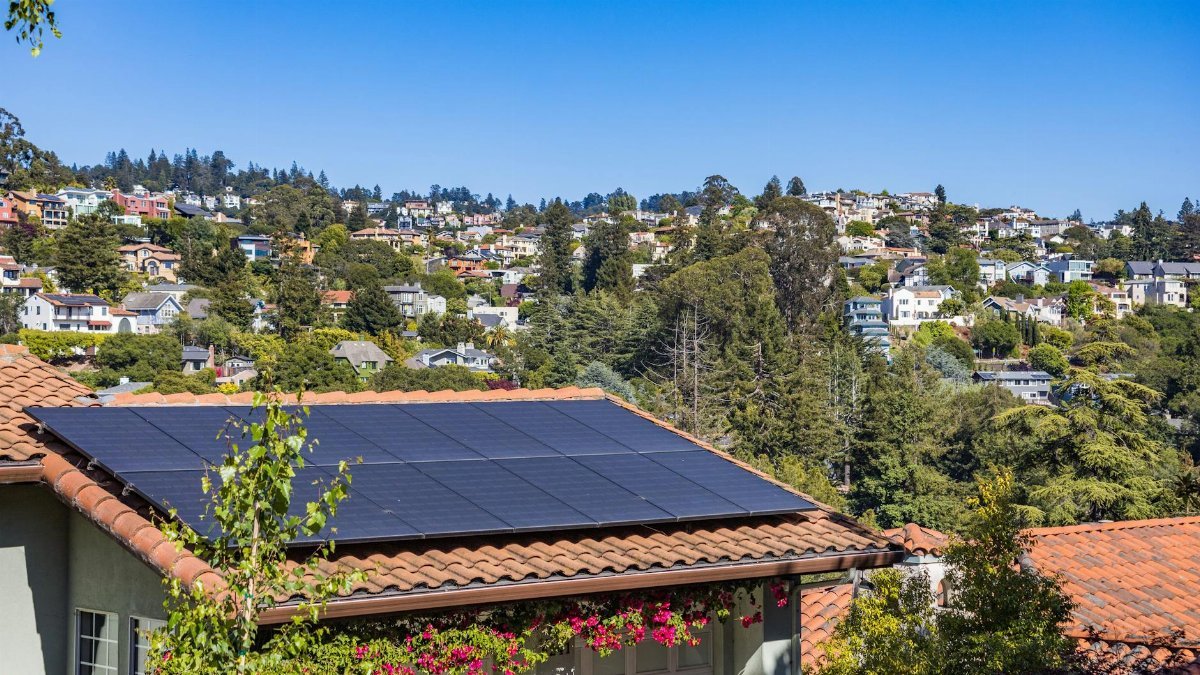
In 2023, community solar capacity in the United States surged by 14.5 gigawatts, with neighborhood solar cooperatives playing a pivotal role in powering over 2 million homes, according to the Solar Energy Industries Association. These grassroots efforts, where neighbors band together to install shared solar arrays, mark a quiet revolution. Bills drop. Blocks glow with clean energy. Yet adoption remains uneven. As utilities grapple with rising demands, these cooperatives offer a model for affordable, collective power. They promise not just savings, but resilience in an era of volatile energy prices.
Defining the Cooperative Edge

Neighborhood solar cooperatives start simple. Residents in a single block or district pool funds. They buy panels or lease space on rooftops. Output feeds into the local grid. Credits flow back to participants’ bills. No one needs a south-facing roof. Everyone shares the yield.
Take a typical setup in Minneapolis. A group of 20 households formed one last year. They crowdfunded $150,000 through low-interest loans and grants. Panels went up on a church steeple nearby. Monthly statements now show 15 to 25 percent reductions. “We did the math together,” one organizer recalled over coffee. Skepticism melted into action.
This model flips individual solar’s barriers. Upfront costs plummet per household. Equity builds trust. The National Renewable Energy Laboratory tracks how such groups scale faster than solo installs, especially in dense cities.
How Blocks Cut Costs Together

Savings drive the appeal. Utilities charge premium rates during peak hours. Cooperatives generate power when the sun peaks. Excess electrons offset those charges via net metering.
Consider the numbers. A standard block of 15 homes might spend $2,500 annually on electricity. A 100-kilowatt cooperative array produces enough to shave $500 per household yearly. Over a decade, that compounds. Front-loaded investments pay off quick.
One recent account from an urban resident captured the shift. Bills arrived lower. Neighbors chatted over fences about dividends. Frustrations with utility monopolies faded. Such stories echo in public forums, where participants describe the relief of predictable costs amid inflation.
Bulk purchasing seals the deal. Groups negotiate panel prices down 20 percent. Maintenance spreads thin. Long-term service contracts lock in low rates.
From Backyard Talks to Rooftop Reality

Formation begins with conversation. A block party sparks it. One homeowner crunches numbers from online calculators. Interest builds.
In Portland, Oregon, a cul-de-sac of young families took the plunge. They met weekly in a garage. Doubts surfaced. Roofs? Permits? They hired a facilitator from Solar United Neighbors. Six months later, panels hummed.
Challenges arise. Not every neighbor joins. Holdouts watch enviously as credits roll in. Success stories spread. The group now eyes expansion.
Storytelling fuels momentum. Organizers share before-and-after bills at community centers. Visuals persuade. One photo of a shaded yard, now powering the block, says it all.
Policy Winds at Their Backs

Federal incentives turbocharge growth. The Inflation Reduction Act extended 30 percent tax credits through 2032. Cooperatives qualify easily as nonprofits.
States sweeten the pot. New York mandates utility purchases from community projects. Minnesota offers low-interest loans. California streamlines permitting.
Yet gaps persist. Rural areas lag urban hubs. The U.S. Department of Energy maps these disparities. Low-income neighborhoods benefit most from targeted grants.
Lawmakers listen. Bipartisan bills propose national standards. Utilities lobby against. Cooperatives fight back with data. Their pitch: lower system-wide costs through distributed generation.
Utility Bills Meet Their Match
Traditional providers feel the pinch. Cooperatives bypass them partly. Subscribers buy direct from the array. Utilities lose revenue on peaks.
This forces change. Some partner up. Xcel Energy in Colorado integrates cooperatives into its grid plans. Others offer matching credits.
Residents gain leverage. Fixed-rate contracts shield from hikes. During 2022’s energy crunch, cooperative members paid 18 percent less on average, per industry trackers.
Tensions simmer. Utilities argue grid upgrades cost more with scattered solar. Advocates counter with studies showing deferred infrastructure needs. Balance tilts toward shared power.
Overcoming Common Roadblocks

Not every pitch succeeds. Zoning snags panels. HOAs block aesthetics. Financing trips the wary.
Solutions emerge. Groups tap credit unions for zero-down loans. Cities fast-track approvals. Education workshops demystify tech.
Equity matters. Subsidies target renters and fixed-income homes. Virtual metering ensures fair shares.
One forum post summed it up. A participant described initial resistance from elders, won over by a simple demo: sunlight hitting panels, meters ticking backward. Persistence pays.
The Lawrence Berkeley National Laboratory details these hurdles in its 2022 report. Subscriptions grew 39 percent despite them. Momentum builds.
Environmental Wins Beyond the Wallet

Savings grab headlines. Climate impact runs deeper. A single cooperative offsets 150 tons of CO2 yearly, equivalent to 30 cars off roads.
Biodiversity perks follow. Ground-mounted arrays double as pollinator habitats. Urban heat islands cool under shade.
Communities bond. Installation days turn festive. Kids learn circuits. Pride swells.
Critics nitpick intermittency. Batteries solve that. Costs drop 89 percent since 2010. Hybrids pair solar with storage seamlessly.
Case Studies Lighting the Way

Boulder, Colorado, boasts a pioneer. 40 homes formed the nations first block-scale co-op in 2015. Bills fell 22 percent. They expanded twice.
In Atlanta’s historic districts, a Black-led group installed on vacant lots. Savings funded youth programs. Leaders credit cooperative bylaws for inclusivity.
These models replicate. Toolkits from nonprofits guide newcomers. Replication accelerates.
The Future Glows Collective

Projections dazzle. By 2030, community solar could hit 12 gigawatts, per analysts. Neighborhood cooperatives lead urban adoption.
Tech evolves. AI optimizes output. Drones inspect panels. Costs halve again.
Barriers shrink. More renters qualify. Cities mandate co-op space in new builds.
Utilities adapt or fade. Hybrids emerge: utility-backed cooperatives.
This shift redefines power. Blocks unite. Costs tumble. Grids strengthen. Neighborhood solar cooperatives prove collective action outshines solo efforts. The sun rises on a new energy era.

With a career spanning investment banking to private equity, Dominik brings a rare perspective on wealth. He explores how money can be a tool for personal freedom and positive impact, offering strategies for abundance that align with your values.
Disclaimer
The content on this post is for informational purposes only. It is not intended as a substitute for professional health or financial advice. Always seek the guidance of a qualified professional with any questions you may have regarding your health or finances. All information is provided by FulfilledHumans.com (a brand of EgoEase LLC) and is not guaranteed to be complete, accurate, or reliable.