

A 2023 survey by the American Cleaning Institute found that 68 percent of U.S. adults report feeling stressed upon entering their homes after a long day, often blaming disorganized spaces at the door. Tidy entryway psychology flips this script. It examines how a clutter-free threshold influences mood, focus, and even long-term mental health. Experts link the simple act of keeping shoes aligned and coats hung to lower cortisol spikes and sharper decision-making. In busy suburbs from Seattle to Miami, homeowners experiment with these ideas, turning foyers into buffers against daily grind. This emerging field reveals that the first 10 feet inside matter profoundly.
The Threshold as Emotional Buffer

Step into most American homes, and the entryway greets you with backpacks dumped in heaps or mail scattered like confetti. Psychologists argue this chaos signals unfinished business to the brain. A clean space, by contrast, whispers control. Consider Sarah, a teacher in Chicago, who rearranged her mudroom last fall. Coats now line hooks; keys rest in a dish. “It’s like shedding the day’s weight before it sticks,” she said in a casual chat over coffee.
Researchers back this up. Physical disorder competes for mental bandwidth, much like digital notifications. The brain’s visual cortex treats stray items as threats demanding attention. A Princeton University study demonstrated how cluttered views impair focus and heighten anxiety. At the entryway, this effect amplifies. You cross the threshold expecting respite, yet piles pull you back into problem-solving mode.
Neurological Roots of the Tidy Habit
Brains crave order, evolutionarily wired for safe habitats. Paleolithic humans scanned caves for hazards; modern ones scan for lost wallets. Tidy entryway psychology taps this instinct. Neuroimaging shows tidy environments activate reward centers, releasing dopamine akin to completing a checklist.
One mother in Austin shared online how her family’s ritual of “shoe lineup” transformed evenings. Kids race to slot sneakers into cubbies. Chaos yields to rhythm. No names, just a raw account: “Suddenly, dinner felt peaceful instead of frantic.” Such patterns build neural pathways for calm transitions. Clutter overloads the prefrontal cortex, the brain’s executive hub. Keep the door clear, and it frees up space for reflection.
First Impressions Shape Family Dynamics

Guests form opinions in seconds, but residents absorb the entryway’s vibe hourly. A disordered foyer breeds subtle tensions. Spouses snap over misplaced boots; kids learn disarray is normal. Tidy versions foster harmony. Align furniture low, light soft, and surfaces sparse. This setup cues cooperation.
Data from environmental psychology underscores the point. Women in cluttered homes show elevated cortisol, per a UCLA study. Entryways amplify it, as the “arrival zone” frames interactions. Families report fewer arguments after streamlining. One Denver couple ditched a console table overflowing with junk. Now, it holds a single vase. Conversations flow easier there, they claim.
Rituals That Stick: Building the Habit

Tidiness thrives on repetition, not perfection. Start small. Hang keys immediately. Wipe shoes. These micro-actions compound. Behavioral science calls it habit stacking, linking new routines to existing ones like unlocking the door.
Experts recommend baskets over open shelves to hide seasonal gear. A Boston interior designer notes clients feel instant relief. “It’s psychology disguised as design,” she explains. Vary the approach: some swear by color-coded bins, others minimalist mats. The key? Consistency dulls the chore’s edge, turning it into autopilot calm.
Design Choices Backed by Science
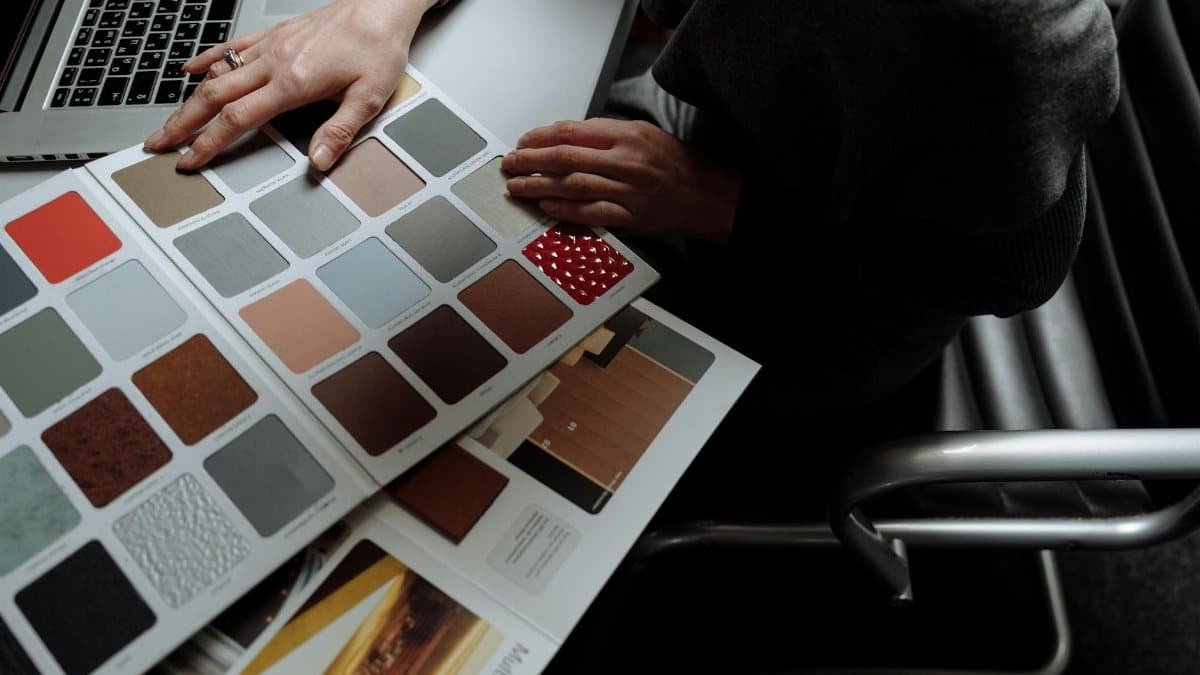
Not all tidy looks equal. Psychology favors open sightlines and neutral palettes. Mirrors expand space, tricking the mind into expansiveness. Avoid bold patterns; they fatigue the eye.
The American Psychological Association links such choices to reduced mental fatigue. Entryways with built-in benches invite pauses, lowering heart rates. In Portland rentals, tenants swap bulky racks for wall hooks. Results? Less tripping, more mindfulness. Tailor to lifestyle: urban cyclists need secure bike slots; parents prioritize kid-height hooks.
Overcoming the Clutter Trap

Life resists tidiness. Packages pile up; weather dirties floors. Procrastination kicks in, as mess signals “later.” Break the cycle with the two-minute rule: if it takes under two minutes, do it now.
Common pitfalls include overbuying organizers, creating faux order. One recent forum post captured it: a user vented about “storage solutions that just hid the mess deeper.” Simplify instead. Audit weekly: what serves the entry? Donate the rest. This purge mirrors cognitive behavioral therapy, clearing mental debris too.
Real Homes, Real Shifts

In a Nashville suburb, Mark cleared his vestibule of golf bags and toolkits. Mornings sharpened; he left energized. His wife noticed: arguments dipped. Similar tales emerge nationwide.
A Minneapolis family adopted “entryway amnesty” bins for guest items, emptied daily. Kids bought in, seeing it curb parental nagging. These stories highlight tidy entryway psychology’s ripple: better sleep, sharper focus at work. Not magic, just mechanics of environment shaping mind.
Expert Views on Lasting Change

Therapists integrate entryway work into sessions. “It’s a low-stakes win,” says one New York psychologist. Clutter correlates with depression symptoms, per NIH data on built environments and health. Tidy thresholds counter it.
Designers pair with coaches for “mindful mudrooms.” Track progress via apps logging mood post-arrival. Data shows steady gains. Skeptics dismiss it as superficial. Yet evidence mounts: small spatial tweaks yield outsized emotional returns.
Broader Ties to Mental Wellness
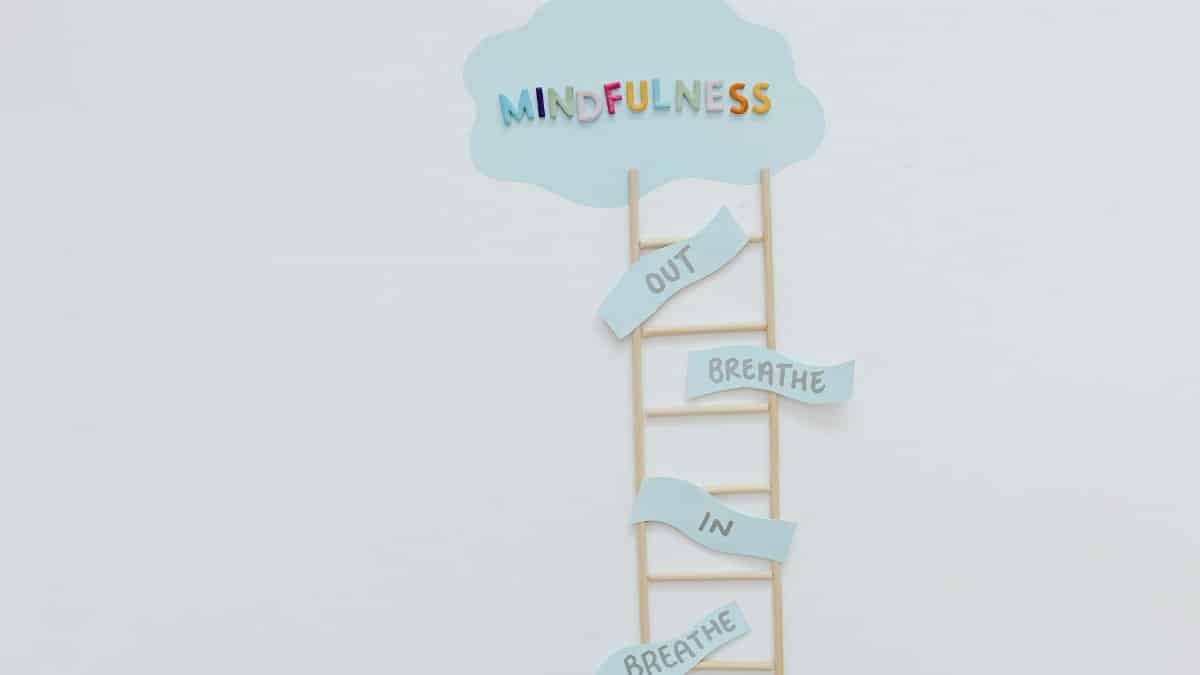
Tidy entryways anchor larger habits. They prime kitchens for meal prep, desks for focus. In pandemic years, remote workers saw home gateways as stress sieves. Clearing them boosted resilience.
Long-term, this psychology fosters agency. Amid economic flux, control one corner. Studies tie organized homes to lower anxiety disorders. Families in flux, like military relocators, lean on it hardest. The entryway becomes sanctuary blueprint.
Steps Forward for Any Home
Ready to try? Measure your space. Install hooks at eye level. Add a rug for mud capture. Light it warmly. Weekly resets take 15 minutes.
Sustain with accountability: share photos with friends. Adapt for apartments: over-door racks work wonders. Track feelings: journal post-tidy moods. Over months, patterns emerge. Tidy entryway psychology proves accessible power. In a world of variables, claim this square footage. The calm follows.

Natasha is the heart of our exploration into conscious connection. Applying principles from multiple counseling courses in her own life, she guides you to cultivate stronger, more joyful bonds.
Disclaimer
The content on this post is for informational purposes only. It is not intended as a substitute for professional health or financial advice. Always seek the guidance of a qualified professional with any questions you may have regarding your health or finances. All information is provided by FulfilledHumans.com (a brand of EgoEase LLC) and is not guaranteed to be complete, accurate, or reliable.