

Youth with mentors are 55% more likely to enter college, according to a landmark study by MENTOR: The National Mentoring Partnership. That’s fueling a boom in mentor youth community initiatives across America. From urban centers to rural towns, adults are pairing up with kids to build futures. These programs combat isolation, boost grades and cut crime risks. Local leaders say demand has spiked post-pandemic. Ready to join? Here are six proven ways to make a difference right now.
Why Mentor Youth Matters Now

Communities face a youth crisis. Truancy rates climbed 20% in some areas last year. Mental health struggles hit record highs. Mentor youth community efforts fill the gap. Volunteers provide guidance parents or schools can’t always deliver. Programs pair adults with at-risk kids for one-on-one time. Results show up fast: better attendance, higher self-esteem. Cities like Chicago and Atlanta report drops in juvenile arrests where mentoring thrives. Experts call it a smart investment in tomorrow’s workforce.
Way 1: Join Big Brothers Big Sisters

Start simple. Sign up with Big Brothers Big Sisters, America’s largest mentoring network. Matches last a year minimum. Meet weekly for outings, talks or homework help. No special skills needed, just commitment. Over 200,000 kids wait for a match nationwide. Volunteers say it transforms lives. One mentor in Texas watched his Little Brother ace high school and land a scholarship. Chapters operate in every state. Apply online today.
Way 2: Coach a Local Sports Team
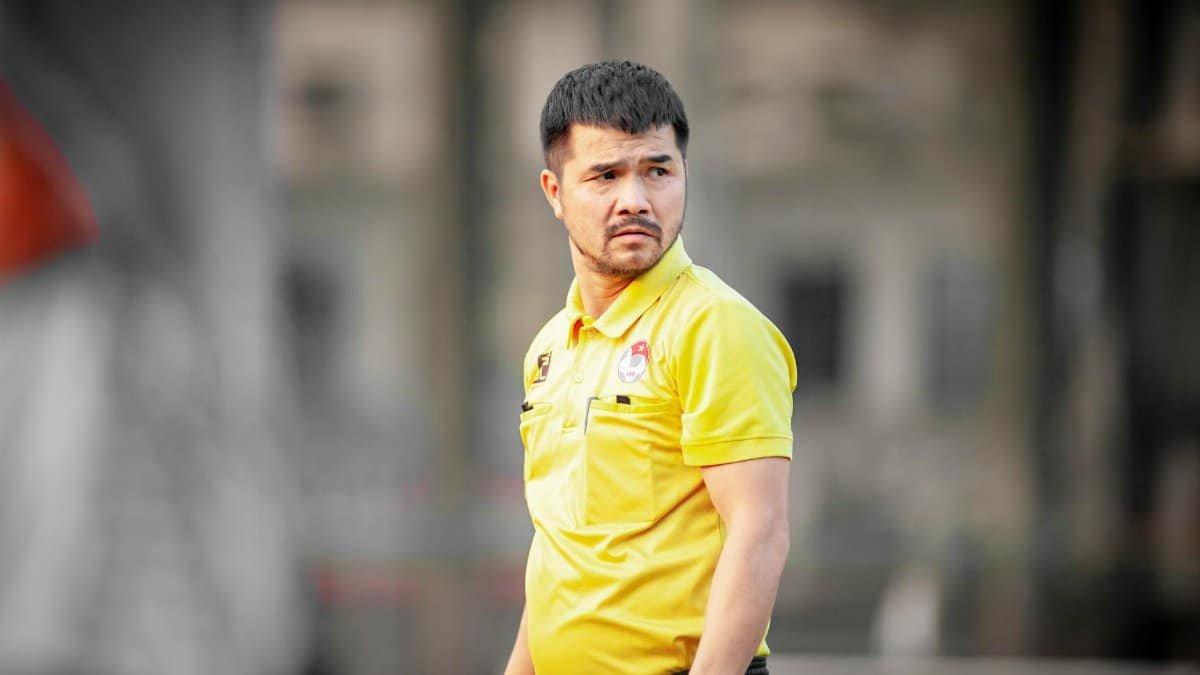
Grab a whistle. Youth leagues need coaches for soccer, basketball or baseball. Organizations like i9 Sports or YMCA run affordable programs. Teach skills, teamwork and resilience. Sessions run seasonally, two hours weekly. Parents rave about the confidence boost. In Florida, a rec league coach turned a shy kid into team captain. Background checks required. Contact your parks department. It’s hands-on mentoring disguised as fun.
Way 3: Tutor After School

Numbers slipping? Step in. Schools and libraries seek tutors for math, reading or ESL. Platforms like School on Wheels match pros with students. Commit one hour weekly. Track progress with simple reports. A California tutor helped a middle-schooler jump two grade levels in reading. Free training often provided. Nonprofits like Boys & Girls Clubs host drop-in sessions. Your expertise in any field counts. Kids gain focus; you get gratitude.
Way 4: Volunteer at Community Centers
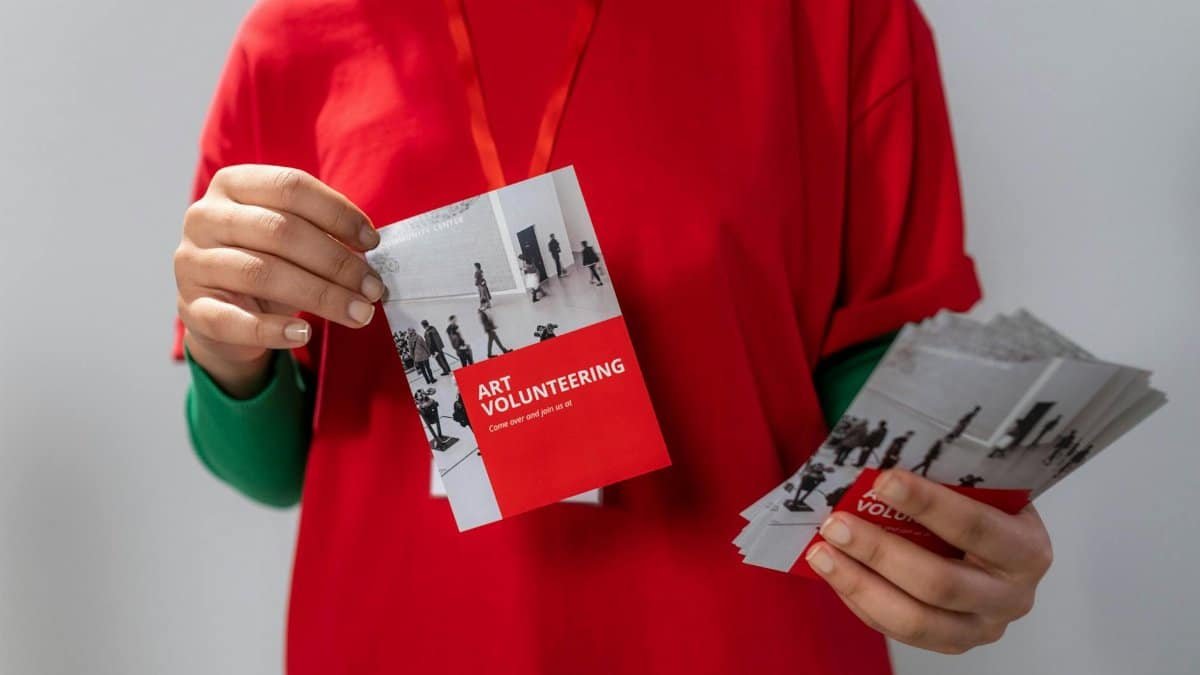
Head to the hub. Youth centers run art classes, coding clubs or life skills workshops. Groups like Boys & Girls Clubs of America need group leaders. Shifts fit work schedules, even evenings. Facilitate games or discussions on goals. In New York, one volunteer sparked a teen entrepreneurship group. No experience? They train you. These spots build social bonds. Walk in, ask for the volunteer coordinator. Impact multiplies with groups.
Way 5: Guide Career Exploration
Show the path. Offer job shadows or mock interviews. Link up via platforms like LinkedIn’s mentoring tools or local chambers. High schoolers crave real-world advice. Spend a day at your workplace. Discuss resumes, networking. A Detroit engineer mentored a teen into IT; now she’s coding full-time. Schools partner with businesses. Free. Tie it to holidays or summers. Teens report clearer ambitions post-mentor.
Way 6: Launch a Neighborhood Book Club

Go grassroots. Organize a reading group for local kids. Meet monthly at parks or homes. Pick age-appropriate books on courage, history. Discuss themes, share stories. Supply books via libraries. In Seattle, one dad’s club grew to 20 kids, inspiring writing contests. Low cost, high reward. Post flyers at schools. Parents handle logistics. It fosters critical thinking quietly.
Overcoming Time and Doubt Barriers

Worried about schedules? Most programs need just four hours monthly. Background checks take 30 minutes. Doubts about impact? Stats prove otherwise: mentored youth offend 50% less. Start small. Agencies offer support groups for mentors. Burnout rare with boundaries. Communities provide stipends sometimes. Talk to current volunteers. They swear by the fulfillment.
Real Stories of Community Wins

Take Maria L. from Ohio. She mentored via church youth group. Her kid graduated top of class, first in family. Or Mike R. in Georgia, coaching baseball. His team won regionals; players pursued college sports. These aren’t outliers. Nationwide, mentor youth community programs log millions of positive hours yearly. Track your pair’s growth. Celebrate milestones.
Get Involved Today

Pick one way. Check local listings or national sites. Trainings start soon. Communities need you. Youth wait. One hour changes trajectories. Sign up. Lead the shift.
By Chris F. Weber

A certified hypnotherapist, Reiki practitioner, sound healer, and MBCT trainer, Christopher guides our journey into the spiritual dimension, helping you tap into a deeper sense of peace and awareness.
Disclaimer
The content on this post is for informational purposes only. It is not intended as a substitute for professional health or financial advice. Always seek the guidance of a qualified professional with any questions you may have regarding your health or finances. All information is provided by FulfilledHumans.com (a brand of EgoEase LLC) and is not guaranteed to be complete, accurate, or reliable.