

A 2023 Pew Research Center survey revealed that just 27 percent of Americans know most of their neighbors by name, a sharp drop from 39 percent in 2008.Pew Research Center. This erosion of familiarity underscores a quiet crisis in community ties. Enter planning a block party. These street-level gatherings have surged as simple, potent remedies. Neighbors close off a stretch of asphalt, fire up grills, and rediscover shared lives. In cities from Seattle to Savannah, they’ve become rituals of reconnection, blending nostalgia with necessity in a fragmented age.
Reviving Neighborhood Bonds

Communities thrive when people look up from screens. Block parties cut through isolation. Picture kids racing bikes down a cordoned-off road while adults swap tales over cold drinks. One organizer recalled the spark: a quiet cul-de-sac where holiday lights stayed up too long, prompting a summer shutdown. Such events rebuild trust. Research from the CDC highlights how loneliness rivals smoking in health risks, especially for older adults.CDC on social isolation. Parties counter that. They spark conversations that linger.
Scoping Your Street’s Potential

Start small. Walk your block at dusk. Note the families with tricycles, the retiree tending roses, the new couple unloading boxes. Gauge interest with casual chats. “Hey, ever thought about closing the street for a party?” Most nod eagerly. Tensions surface too, like the dog owner wary of noise. Address them early. A block party works best on 100 to 300 feet of road, enough for games but not overwhelming. Check for fire hydrants or alleys that demand extra care.
Navigating Permits with Ease

Bureaucracy looms first. Contact your city hall or police non-emergency line. Permits often cost under $50 and require two weeks’ notice. Rules vary: Boston mandates traffic control plans; Phoenix eyes amplified sound. The National League of Cities offers templates for success.National League of Cities guide. Submit diagrams showing barricades and portable toilets. Neighbors sign petitions to show support. One recent account from an online forum captured the relief: “Finally got the green light after three calls. Worth every minute.”
Assembling a Core Team

No solo heroes here. Rally three to five volunteers. Assign roles: one for food, another for music, a third for kids’ activities. Meet weekly over coffee. Diverse crews shine, pulling in the quiet widow’s pie recipe or the teen’s playlist savvy. Committees prevent burnout. They turn vague ideas into checklists.
Crafting Invitations That Excite

Ditch flyers. Use Nextdoor apps or group texts for precision. Design digital invites with tools like Canva: bold date, casual theme like “Backyard BBQ Bash.” Hand-deliver to holdouts. Include FAQs: time, rain plan, what to bring. Aim for 80 percent turnout. Excitement builds when invites promise cornhole tournaments or ice cream trucks.
Picking a Theme for Unity

Themes glue it together. Go retro with 80s jams and neon signs. Or harvest festival, with hay bales and pumpkin carving. Tie to seasons: summer splash with water slides. Avoid overkill. One street themed “Potluck World Tour,” each house contributing a dish from heritage. Laughter erupted over mismatched recipes. Themes spark creativity without dictating fun.
Food Strategies That Feed Crowds
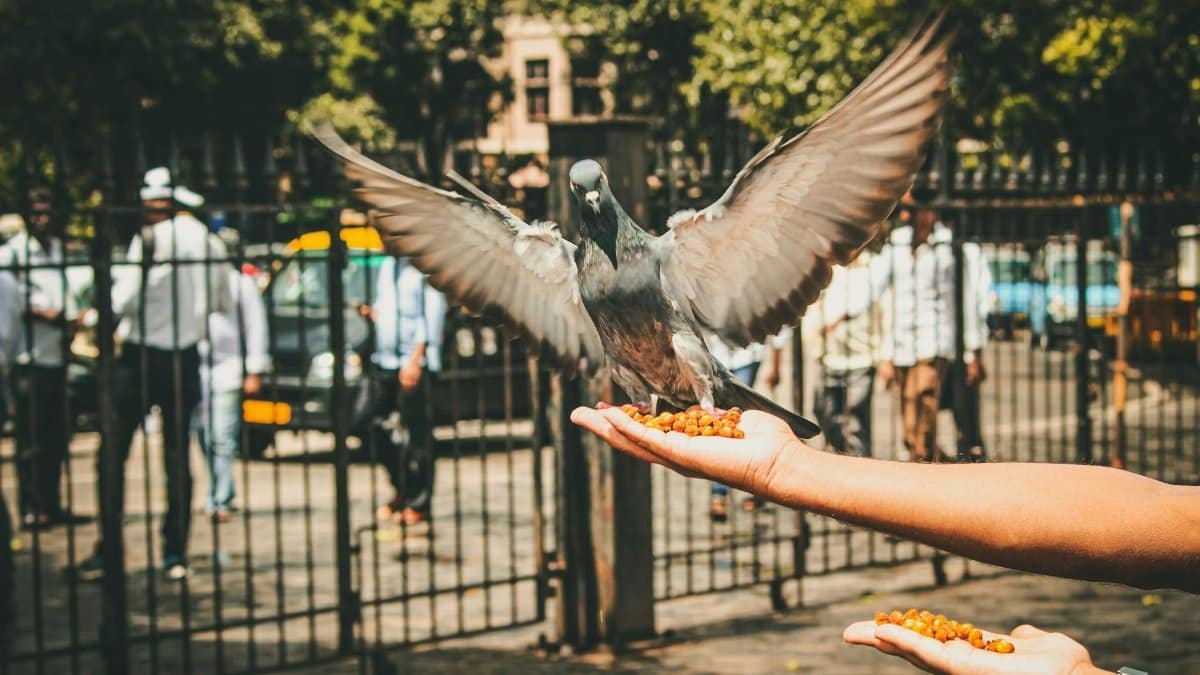
Potlucks rule. Suggest mains by last name: A-M burgers, N-Z salads. Provide grills and coolers. Account for diets: vegan options, gluten-free labels. Beverages flow non-alcoholic for families, with a BYOB corner for adults. Budget $5 per person. Stories emerge here, like the grill master sharing marinades passed down generations.
Games and Activities for All Ages

Boredom kills vibe. Set up zones: toddler bubbles, teen limbo, adult horseshoes. Borrow giant Jenga from libraries. Live music from a neighbor’s guitar keeps energy high. Safety nets: sunscreen stations, shaded tents. Watch bonds form as strangers cheer three-pointers in driveway basketball.
Safety and Logistics Mastery
Prep trumps chaos. Barricades at ends, signs for detours. First-aid kit, allergy alerts. Designate sober drivers for shuttles. Weather apps guide backups like nearby parks. AARP emphasizes these steps for inclusive events.AARP block party tips. Quiet corners for introverts ensure no one feels swamped.
Smart Budgeting Basics

Keep costs under $500. Crowdfund via Venmo: $10 per household covers ice, tables. Freebies abound: donated bounce houses, library books for storytime. Track in spreadsheets. Surpluses seed next year’s event.
Day-Of Rhythm and Flow

Dawn setup, dusk wind-down. Greet arrivals personally. Music fades as stars emerge. Capture candids, not Instagram poses. One participant noted the magic: fireflies dancing as stories peaked.
Sustaining the Momentum

Post-party surveys refine future ones. Thank-yous via mail cement goodwill. Annual traditions bloom. Streets transform. What began as asphalt becomes heartbeat.
These gatherings remind us: connection demands effort, but yields joy. In a nation of strangers, one block at a time, neighbors reclaim belonging.

Natasha is the heart of our exploration into conscious connection. Applying principles from multiple counseling courses in her own life, she guides you to cultivate stronger, more joyful bonds.
Disclaimer
The content on this post is for informational purposes only. It is not intended as a substitute for professional health or financial advice. Always seek the guidance of a qualified professional with any questions you may have regarding your health or finances. All information is provided by FulfilledHumans.com (a brand of EgoEase LLC) and is not guaranteed to be complete, accurate, or reliable.