
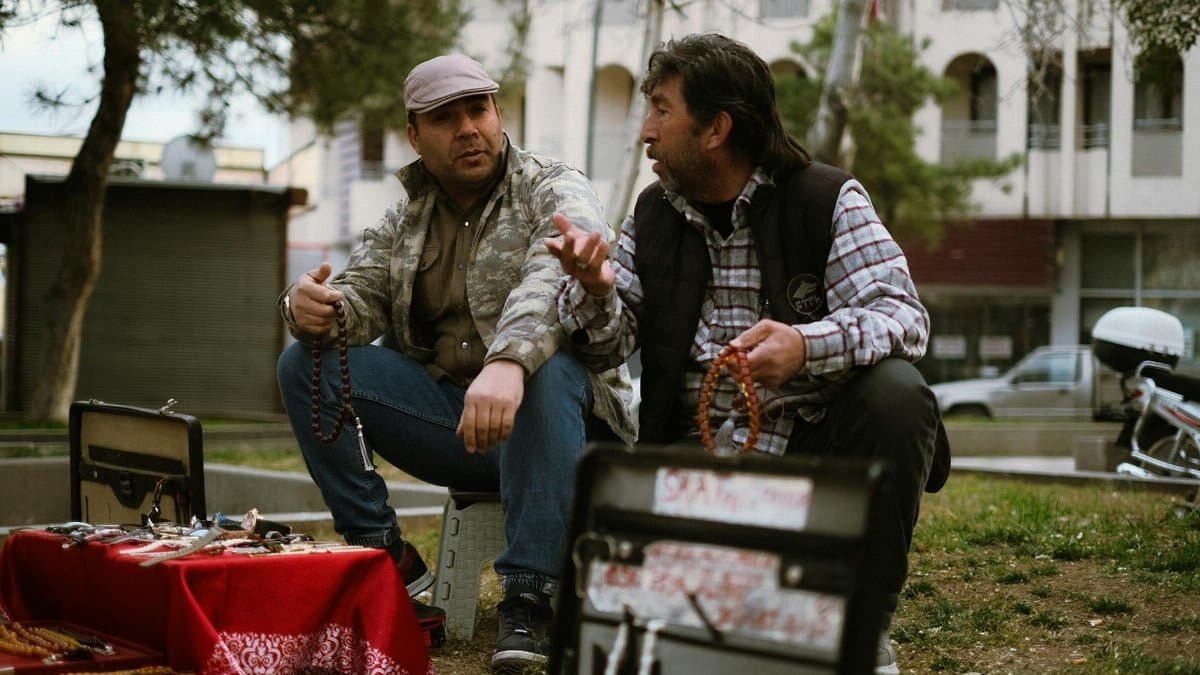
Sunlight slanted across the packed rows at the Brimfield Flea Market in Massachusetts, where treasures spilled from tables under blue skies. A vendor adjusted a stack of vintage records as a browser lifted a scarred wooden trunk. “Forty dollars,” the seller said firmly. The buyer smiled. “Make it twenty-five?” Back and forth they went, voices light amid the bustle. Haggling at flea markets unfolded right there, a dance of offers and concessions that ended with a handshake and a grin. In today’s economy, where every dollar counts, this age-old practice pulls in shoppers from all walks, blending thrift with the rush of negotiation. It’s not just about price. It’s sport, strategy, and sometimes, pure connection.
The Thrill Behind the Bargain

Crowds thicken as noon approaches, wallets at the ready. Vendors thrive on the energy. Buyers feel the pulse. Haggling turns shopping into something alive. Forget fixed prices at big-box stores. Here, conversation rules. One observer noted how a simple “What’s your best price?” sparks motion. Deals tumble out. A brass clock drops from $50 to $30. The key? Vendors expect it. They build wiggle room into tags. Studies show secondhand markets like these surged during economic squeezes. The Bureau of Labor Statistics tracked a boom in resale spots, with shoppers hunting value amid inflation. Links to that growth run deep. People crave control over costs.
Scout the Scene First

Preparation sets sharp hagglers apart. Arrive early. Note prices across stalls. That midcentury lamp? $45 here, $60 there. Knowledge arms you. Apps help check resale values, but eyes on the ground tell more. Foot traffic ebbs and flows. Late afternoon, sellers soften as unsold goods loom. One regular shared how mapping the market shaved 20 percent off totals. Walk laps. Spot motivated vendors—those packing hints or eyeing the exit. Real estate pros call it comps. Apply the same. Antiques guides confirm: baseline research boosts outcomes. Kovels, a staple for collectors, lists comps for everything from pottery to posters.
Timing Shapes Every Deal

Dawn raids yield first pick. Midday heats tempers. Vendors tire by dusk. Strike then. Weekends peak early. Rainy days empty fields, desperate sellers drop fast. A browser at a Texas market waited out a shower. Post-drizzle, a quilt went from $80 to $40. Patience pays. Consumer Reports highlights thrift strategies: end-of-day buys shine brightest. Vendors haul less home. They listen closer. Watch the clock. Feel the shift. Rhythm matters as much as words.
Craft Your Opening Bid

Launch low, but land plausible. Half the asking price kicks off play. Too aggressive? Doors slam. Aim 30 to 50 percent under for big items. Small stuff? Tighter range. “How about $15?” on a $25 vase invites counter. Smile wide. Keep it friendly. Harvard negotiation experts stress starting points anchor talks. Their guides outline it: bold opens frame the rest. Vendors test resolve early. Hold steady. Nod along. The bid sets tone.
Listen and Counter with Grace
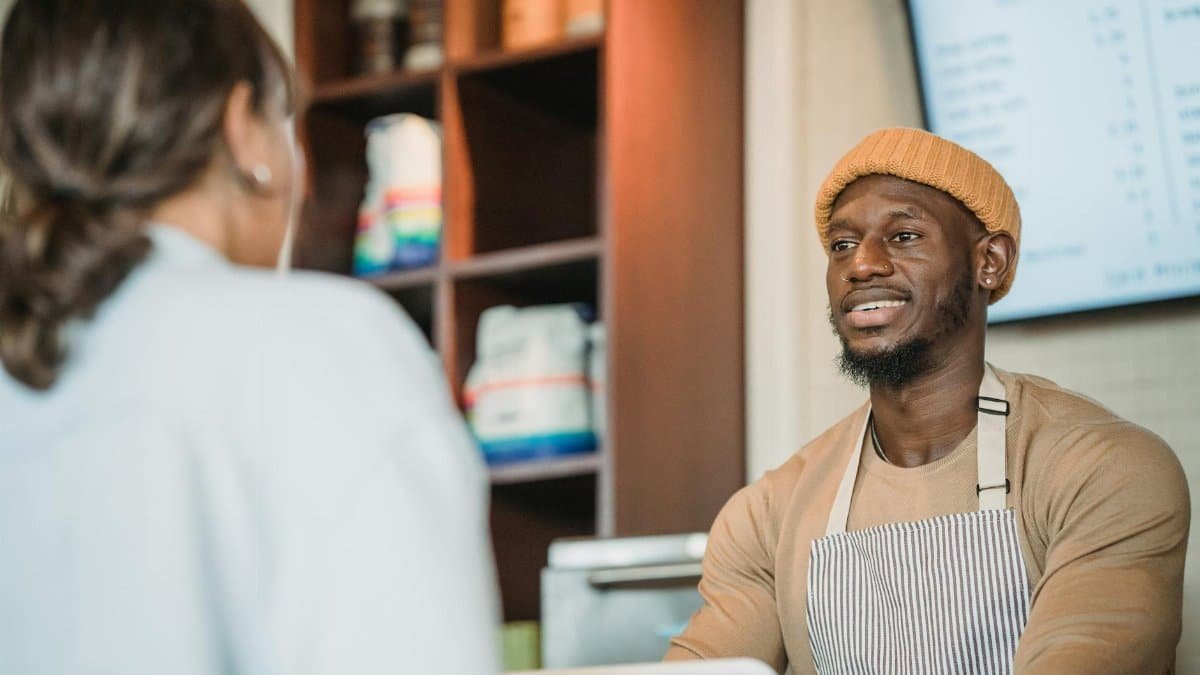
Words fly. “Thirty is fair.” You reply, “I see twenty-five.” Pause. Let silence work. Rapport builds trust. Ask stories: “Where’d you find this?” Shared laughs loosen grips. One account from online flea market chatter captured it—a vendor slashed price after tales of mutual hunts. Psychology backs this. Rapport fosters yeses, per Harvard’s Program on Negotiation. Their research shows emotional ties sway more than logic. Mirror energy. Match pace. Grace turns rivals into partners.
Decode Body Language Cues
Eyes lock. Arms cross. Signals scream. Open stance welcomes offers. Fidgeting hints flexibility. Avoid staring down. Lean in casual. Vendors mirror back. A subtle nod means room left. Shrink away? Push gentle. Experts at the Program on Negotiation detail these reads in their daily tips. Subtle shifts reveal bottoms. Practice sharpens sight. At a California swap meet, a buyer’s relaxed shoulders prompted a 15 percent dip. Watch hands. Feel vibes. Intuition hones with reps.
Harness the Walk-Away Power

Steel yourself to leave. “Think it over,” you say, turning. Magic happens. Vendors call back nine times out of ten. Footsteps echo. “Wait—twenty-eight?” Triumph follows. Bluff crumbles without practice. Commit inside first. Abundance mindset rules: another stall waits. This tactic anchors classics. Negotiation pros teach it relentlessly. Flea fields overflow options. Use them. One salty dealer admitted post-walk deals seal half his sales. Power lives in motion.
Foster Vendor Bonds

Repeat visits cement loyalty. “Back again?” sparks instant cuts. Names stick. Stories bond. Treat folks human. Thank-yous linger. Markets run on relationships. Annual events like Elephant’s Trunk in Connecticut reward regulars with insider drops. Build slow. Loyalty pays compound. A Midwest hauler described yearly meets yielding 40 percent savings over time. Trust trumps transients.
Dodge Rookie Traps
Eagerness kills deals. Blurting max early? Fatal. Insulting lowballs repel. “That’s junk”? Exit stage left. Apologize quick if slips occur. Groups confuse—solo hunts cleaner. Phone haggling? Clunky at best. Face time rules. Common slip: ignoring comps. Overpay follows. Steer clear. Pros laugh at these. Refine through fails.
Prime Targets for Hagglers
Not all goods bend equal. Bulk antiques flex most—furniture, rugs, art. Jewelry? Stiffer. Fresh stock? Less give. Spot dust-gatherers. They scream negotiable. Vintage clothing yields too. Electronics? Tricky, test first. Pew Research notes secondhand surges, especially apparel and decor. Their data shows younger crowds lead, but all ages chase deals. Target wisely. Wins stack.
Etiquette Evolves Online
Apps and Facebook groups preview hauls now. Virtual haggles emerge. “Hold for $20?” Texts fly. In-person shines, but digital scouts pave. Politeness translates. No ghosting. Forums buzz with hybrid tales—one buyer locked a pre-market deal via chat, saved the trip. Blend worlds. Rules hold: respect first.
Flea markets pulse with possibility. Haggling at flea markets sharpens wits, fattens wallets. Next outing, step up. Engage. Deals await. The ritual endures because it works. In uncertain times, that edge matters. Vendors nod approval. Shoppers leave loaded. Join the fray.

With a career spanning investment banking to private equity, Dominik brings a rare perspective on wealth. He explores how money can be a tool for personal freedom and positive impact, offering strategies for abundance that align with your values.
Disclaimer
The content on this post is for informational purposes only. It is not intended as a substitute for professional health or financial advice. Always seek the guidance of a qualified professional with any questions you may have regarding your health or finances. All information is provided by FulfilledHumans.com (a brand of EgoEase LLC) and is not guaranteed to be complete, accurate, or reliable.