
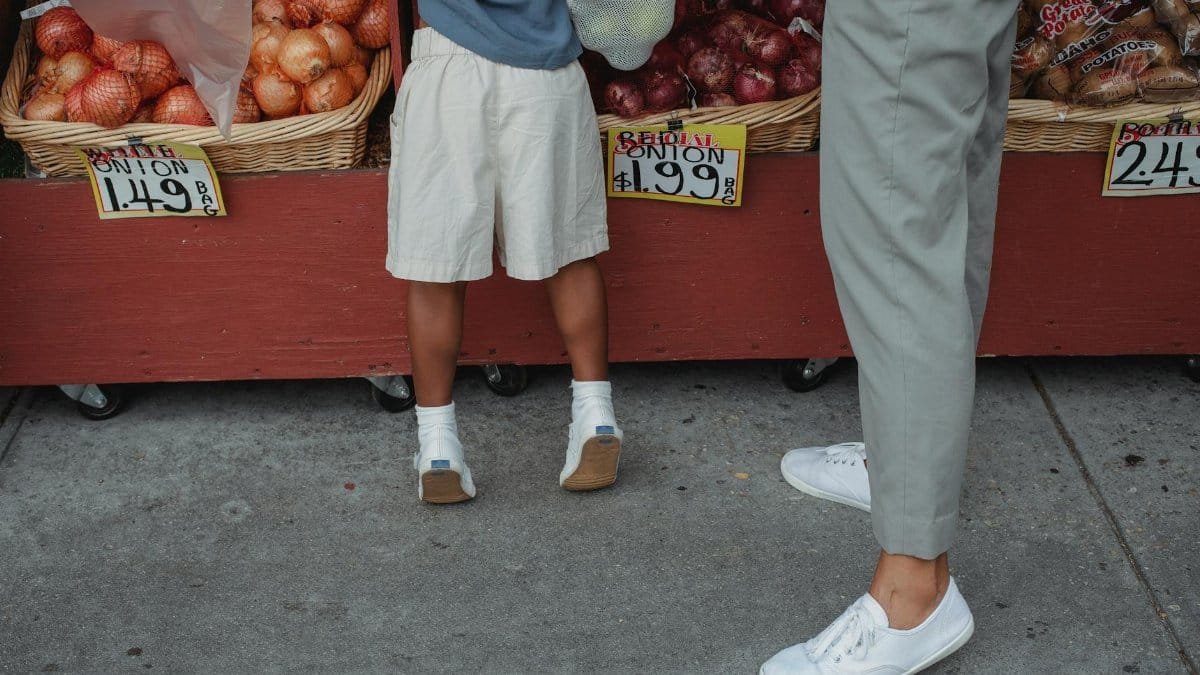
More than 8,000 farmers markets now thrive across the United States, up from fewer than 2,000 three decades ago, according to a USDA Economic Research Service analysis. Shoppers flock to these open-air gatherings for heirloom tomatoes bursting with flavor, handmade cheeses, and conversations with the people who grew them. These markets pulse with community energy. They sustain small farms amid corporate consolidation. Yet rising costs and weather extremes test vendors. To support farmers markets means investing in local resilience. Fresh produce stays affordable. Traditions endure. This guide outlines 10 straightforward ways to make a difference, from your shopping cart to city hall.
1. Show Up Consistently

Crowds thicken as the morning bell rings at the Union Square Greenmarket in New York. Regulars weave through stalls, filling totes with greens and berries. Consistency builds loyalty. Vendors count on familiar faces to cover weekly expenses like seeds and fuel.
Farmers markets operate on slim margins. A study by the USDA Economic Research Service notes direct-to-consumer sales reached $3 billion in 2015, with markets as a key channel. Your repeated visits stabilize income. Start small. Block Saturday mornings. Watch relationships deepen. One vendor recalls a customer who arrived rain or shine. “She became family,” he said. Over time, that support turned seasonal hurdles into shared triumphs.
2. Buy Directly from Growers

Skip the middlemen. Hunt for signs reading “Grown by us.” These words signal pure producer-to-consumer transactions. At markets nationwide, about 70 percent of vendors grow what they sell, per USDA data.
This choice maximizes earnings for farmers. Profits fund equipment upgrades or debt payments. Observe the scene: a young couple chats with an orchardist about apple varieties. They leave with a peck, questions answered. No corporate markup. Just value exchanged. Prioritize fruits, veggies, meats from original hands. It cuts waste too. Produce travels fewer miles, stays fresher.
3. Embrace Bulk and Seasonal Buys
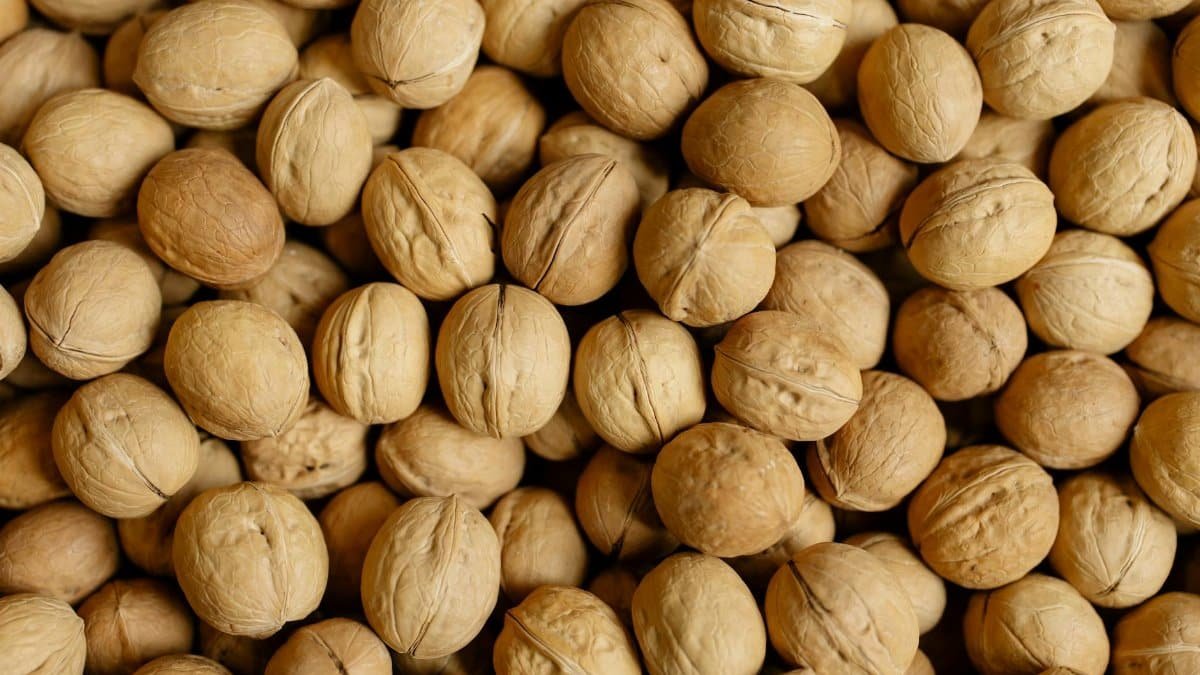
Tomatoes peak in July. Corn in August. Align your cart with nature’s calendar. Bulk purchases—half-pecks of peaches or flats of strawberries—slash per-unit costs for everyone.
Vendors plan harvests around demand. Steady bulk buyers ease gluts. Freeze extras. Can jams. One online account captured the joy: a parent described filling the freezer with market corn, “flavors locked in summer gold.” Seasonal focus cuts shipping emissions. It rewards growers who rotate crops sustainably. Check market calendars. Apps list peaks. Your freezer becomes a year-round ally.
4. Opt for Zero-Waste Habits

Plastic crinkles underfoot at busy stalls. Not anymore. Bring canvas totes, jars for honey, mesh bags for produce. Many markets ban single-use plastics outright.
This shift eases cleanup burdens. It signals commitment. Vendors notice. “Reusable folks get first pick,” one beekeeper joked. Compost scraps at home. Return egg cartons. These acts compound. Nationally, markets divert tons from landfills. Pair it with bulk buys. Less packaging overall. Simple. Effective.
5. Volunteer Your Time

Dawn cracks over the parking lot. Volunteers unload crates, arrange signage, greet newcomers. Markets run on goodwill. An hour weekly transforms chaos into flow.
Groups like Market Umbrella in New Orleans rely on helpers for setup. No skills needed. Just willingness. Bonds form. You learn pruning tips from pros. One volunteer shared how shelving helped a vendor recover from injury. “Time given freely multiplies.” Check bulletin boards. Sign sheets. Your effort frees farmers to sell.
Stalls brim with color under canvas roofs.
6. Share on Social Media

Snap that vibrant kale bunch. Caption: “Fresh from [Market Name]. #SupportFarmersMarket.” Posts ripple outward. Friends tag along next week.
Digital buzz draws crowds. A 2022 survey found social shares boost attendance 20 percent at participating markets. Algorithms favor authenticity. Film a quick vendor interview. Highlight stories—like the single mom scaling her herb farm. Hashtags connect regions. National campaigns amplify. Your phone becomes a megaphone. Low effort. High reach.
7. Join a Community Supported Agriculture Share

Many markets link to CSAs. Pay upfront for weekly boxes. It’s prepaid loyalty. Subscribers weather lean months.
Programs like those tracked by the USDA Agricultural Marketing Service number over 7,000 nationwide. Risks shared. Rewards fresh. Boxes arrive bursting—radishes, eggs, bread. One family called it “our weekly surprise party.” Markets often host sign-ups. Commit. Sustain.
8. Rally Friends and Neighbors

Solo trips fade. Invite a crew. “Market run at 9?” Texts fly. Groups buy more. Chatter fills air.
Newcomers convert. They discover goat cheese, flower arrangements. One organizer described a neighborhood tour: “Kids touched soil for the first time.” Potlucks follow with hauls. Momentum builds. Post-event shares extend reach. Turn outings into traditions.
9. Offer Direct Financial Boosts

Cash tips jars sit quietly. Drop a few bucks. Some markets match donations for SNAP users.
The USDA Food and Nutrition Service reports incentive programs double produce purchases for low-income shoppers. Contribute. Sponsor a stall. Funds buy tents, insurance. Tax-deductible often. Gratitude shows in smiles, extra samples. Meaningful lift.
10. Advocate for Stronger Policies

Markets need infrastructure. Write council members. Push zoning for permanent sites. Fund grants.
Health departments tout benefits: better nutrition access. A CDC resource guide links markets to lower obesity rates via fresh food. Join coalitions. Testify at hearings. Votes shape futures. Farmland preserved. Economies fortified.
These steps weave you into the fabric. Markets endure because communities choose them. Sunlit stalls, earthy scents, honest trades—they define places worth cherishing. Start today. The harvest awaits.

With a career spanning investment banking to private equity, Dominik brings a rare perspective on wealth. He explores how money can be a tool for personal freedom and positive impact, offering strategies for abundance that align with your values.
Disclaimer
The content on this post is for informational purposes only. It is not intended as a substitute for professional health or financial advice. Always seek the guidance of a qualified professional with any questions you may have regarding your health or finances. All information is provided by FulfilledHumans.com (a brand of EgoEase LLC) and is not guaranteed to be complete, accurate, or reliable.