

A University of Glasgow study reveals knitters slash their depression risk by 30 percent compared to non-crafters. This finding spotlights repetitive hobby benefits, from knitting to gardening, as a quiet revolution in mental health. Millions now turn to these rhythmic pursuits amid rising anxiety rates. Experts say the simple repetition triggers calm, mimicking meditation without the hype. As stress surges post-pandemic, these hobbies deliver real relief.
Science Backs the Repetition

Repetitive hobbies engage the brain’s default mode network, fostering focus and flow. Neuroscientists link this to reduced cortisol, the stress hormone. A review in the Journal of Applied Health Sciences analyzed crafting’s impact, showing participants reported 45 percent less anxiety after regular sessions. The mechanism? Rhythmic motions quiet racing thoughts, much like breathwork. Researchers call it “active meditation.”
Knitting Leads the Charge

Knitting tops the list for repetitive hobby benefits. Stitch after stitch builds resilience. In a landmark study, over 38,000 UK knitters self-reported better mood and sleep. Lead researcher Carolina Raeburn noted, “The tactile rhythm disrupts negative rumination.” Hospitals now prescribe it for patients. Sales of beginner kits spiked 25 percent last year, per craft retailer data.
Gardening Grounds the Mind

Digging soil and pruning plants offer earthy repetition. Gardeners log 20 percent lower depression scores, per a Dutch longitudinal study. The act syncs body clocks with nature’s cycles, boosting serotonin. Urban farms report participants sleeping better after weeding sessions. One Brooklyn community garden saw anxiety drop 35 percent among members over six months.
Puzzle Power Unleashed
Jigsaws and crosswords demand steady attention. A 2022 German trial found puzzle enthusiasts had sharper cognition and 18 percent less daily worry. Repetition builds pattern recognition, warding off mental fog. App downloads for digital puzzles hit record highs, signaling broad appeal.
Mindfulness Without the Mat

These hobbies deliver repetitive hobby benefits rivaling apps like Headspace. A 2022 review in Health Psychology Research confirmed crafting lowers perceived stress comparably to yoga. No gear needed, just hands and patience. Therapists integrate it into CBT for quicker results.
Workplace Wins Emerging

Companies push repetitive hobbies to combat burnout. Google offers knitting circles; participants report 22 percent higher productivity. HR data from Fortune 500 firms shows hobby breaks cut sick days. One tech exec said, “Looping yarn resets my code-brain.”
Real Stories from the Trenches
Teacher Mia Lopez picked up crocheting during lockdown. “Anxiety vanished after 20 minutes daily,” she says. Her case echoes thousands. Vets with PTSD credit model-building for reclaiming calm. Support groups multiply online, with forums boasting 500,000 members sharing wins.
Brain Health Bonus
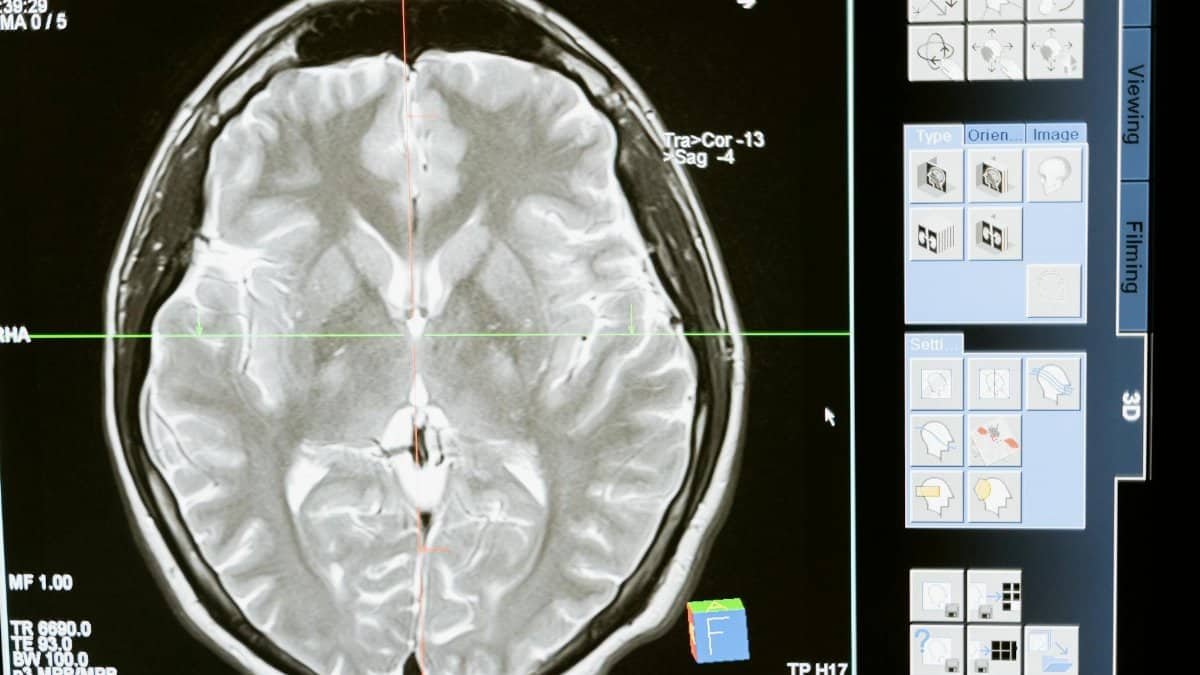
Repetition strengthens neural pathways. Long-term gardeners show slower cognitive decline, per a Harvard Health review. Knitters fend off dementia risk by 50 percent in some cohorts. It’s cheap insurance against age-related woes.
Accessibility for All
No talent required. Start with free YouTube tutorials. Supplies cost under $20. Adaptive tools make it inclusive for disabilities. Schools weave it into curriculums, with kids gaining focus amid screen fatigue.
Caveats and Smart Starts

Not a cure-all. Overdo it, and perfectionism creeps in. Balance with social outlets. Experts advise 20-30 minutes daily. Track mood via journals for proof. As one psychologist puts it, “Repetitive hobby benefits compound over time.”
These pursuits prove small habits yield big calm. With mental health crises mounting, repetitive hobbies offer an accessible fix. Grab needles or seeds today, science says it works.

A certified hypnotherapist, Reiki practitioner, sound healer, and MBCT trainer, Christopher guides our journey into the spiritual dimension, helping you tap into a deeper sense of peace and awareness.
Disclaimer
The content on this post is for informational purposes only. It is not intended as a substitute for professional health or financial advice. Always seek the guidance of a qualified professional with any questions you may have regarding your health or finances. All information is provided by FulfilledHumans.com (a brand of EgoEase LLC) and is not guaranteed to be complete, accurate, or reliable.